

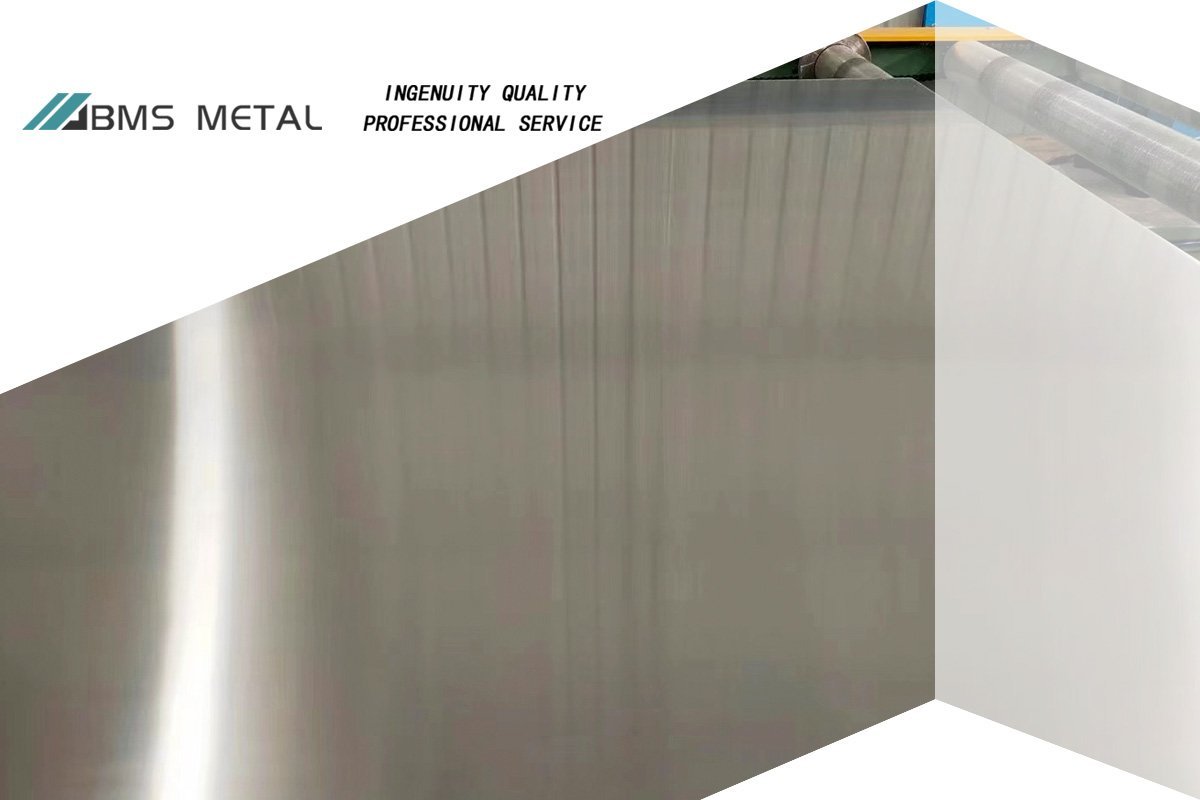
Excellent Corrosion Resistance
Rust Resistance:
The corrosion resistance of stainless steel sheets is primarily due to their chromium content of at least 10.5%, forming a thin, strong chromium oxide film on the surface. This film not only protects the stainless steel from oxygen and moisture but also resists various corrosive media. The self-healing property of the chromium oxide film ensures that even if damaged, the exposed surface can quickly regenerate, maintaining good anti-corrosion performance. For example, stainless steel grades 304 and 316, with their higher chromium content and corrosion resistance, perform exceptionally well in many industrial applications, particularly in food processing and the pharmaceutical industry, effectively resisting acids, alkalis, and salts.
Suitable Environments:
The corrosion resistance of stainless steel sheets makes them excellent in various corrosive environments:
Chemical Processing:
- In the chemical industry, stainless steel sheets can withstand various acidic and alkaline chemicals. For example, stainless steel grade 316 has excellent chloride corrosion resistance, commonly used in chemical reaction vessels and piping systems.
Marine Environment:
- In marine environments, due to the high corrosiveness of salt spray and seawater, the corrosion resistance of stainless steel sheets is crucial. Stainless steel grades 316 and 2205 (duplex stainless steel), due to their excellent salt spray corrosion resistance, are widely used in ships, offshore platforms, and coastal building structural components.
Food Processing:
- The smooth surface of stainless steel makes it easy to clean and inhibits bacterial growth. Stainless steel grade 304 is the standard material for food processing equipment and kitchen utensils, meeting food hygiene and safety requirements.
Medical Equipment:
- In the medical field, the corrosion resistance and easy disinfection of stainless steel make it an ideal choice for medical instruments. Stainless steel grade 316L (low carbon 316 stainless steel) is widely used in surgical instruments and implants, ensuring hygiene and safety during long-term use.
Strength and Durability
High Strength:
Stainless steel sheets have high mechanical strength, capable of bearing significant loads and pressures, suitable for high-strength structures and applications. For example, stainless steel grades 304 and 316, with their excellent strength and corrosion resistance, are widely used in building structures, bridge construction, and high-rise building facade decoration. Additionally, stainless steel grade 17-4 PH, due to its high strength and high-temperature resistance, is commonly used in aerospace components, gears, and bearings under high loads.
Wear Resistance:
Stainless steel sheets have excellent wear resistance, capable of withstanding physical wear and tear, suitable for high-wear environments. For example, stainless steel grade 430, due to its excellent wear resistance, is widely used in automotive parts and industrial equipment. In more severe wear conditions, stainless steel grade 2205 (duplex stainless steel), with its extreme wear resistance and strength, is suitable for wear parts in oil drilling equipment and heavy industrial applications.
Aesthetic Appeal
Glossiness: Stainless steel sheets have a smooth, glossy surface that maintains a long-lasting attractive appearance. Decorative Use: Commonly used in architectural and interior decoration to enhance visual effects, widely applied in modern architectural design, such as facades, railings, and interiors.
Low Maintenance Requirements
Reduced Maintenance:
Due to their strong corrosion resistance, stainless steel sheets require less maintenance and cleaning, reducing long-term usage costs. Self-Healing: Their surface can self-repair when damaged, further reducing maintenance frequency.
Hygiene and Safety
Easy to Clean:
- The smooth surface of stainless steel is easy to clean and disinfect, meeting hygiene standards. It is widely used in food processing, medical equipment, and the pharmaceutical industry.
Prevents Bacterial Growth:
The smooth, corrosion-resistant surface helps prevent bacterial growth, ensuring a sanitary environment.
High and Low-Temperature Resistance
High Temperature Resistance:
Many stainless steel grades maintain excellent performance in high-temperature environments. For example, grades 304 and 316 are suitable for high-temperature equipment such as boilers and stoves. Grades 309 and 310 can withstand even higher temperatures, making them ideal for high-temperature furnaces and welding materials.
Low Temperature Resistance:
Stainless steel retains good toughness and strength in low-temperature environments. Grades 304L and 316L maintain excellent mechanical properties at extremely low temperatures, suitable for cold environments and low-temperature operations, such as polar exploration, LNG processing, and cryogenic cooling systems.
Environmentally Friendly
Recyclability:
- Stainless steel is 100% recyclable, helping to reduce waste and environmental impact.
Long Lifespan:
- Due to its corrosion resistance and durability, stainless steel has a long service life, reducing resource consumption and replacement frequency.
Versatility
Wide Applications:
- Stainless steel sheets are used across various industries, including construction, aerospace, automotive, chemical processing, food processing, and healthcare.
Various Specifications:
- Stainless steel sheets can be produced in different thicknesses, widths, and lengths to meet various application needs.
Summary
The primary reasons for using stainless steel sheets include their excellent corrosion resistance, high strength, wear resistance, aesthetic appeal, and low maintenance requirements. They provide long-term reliable performance and economic benefits across various application fields.