

Introduction
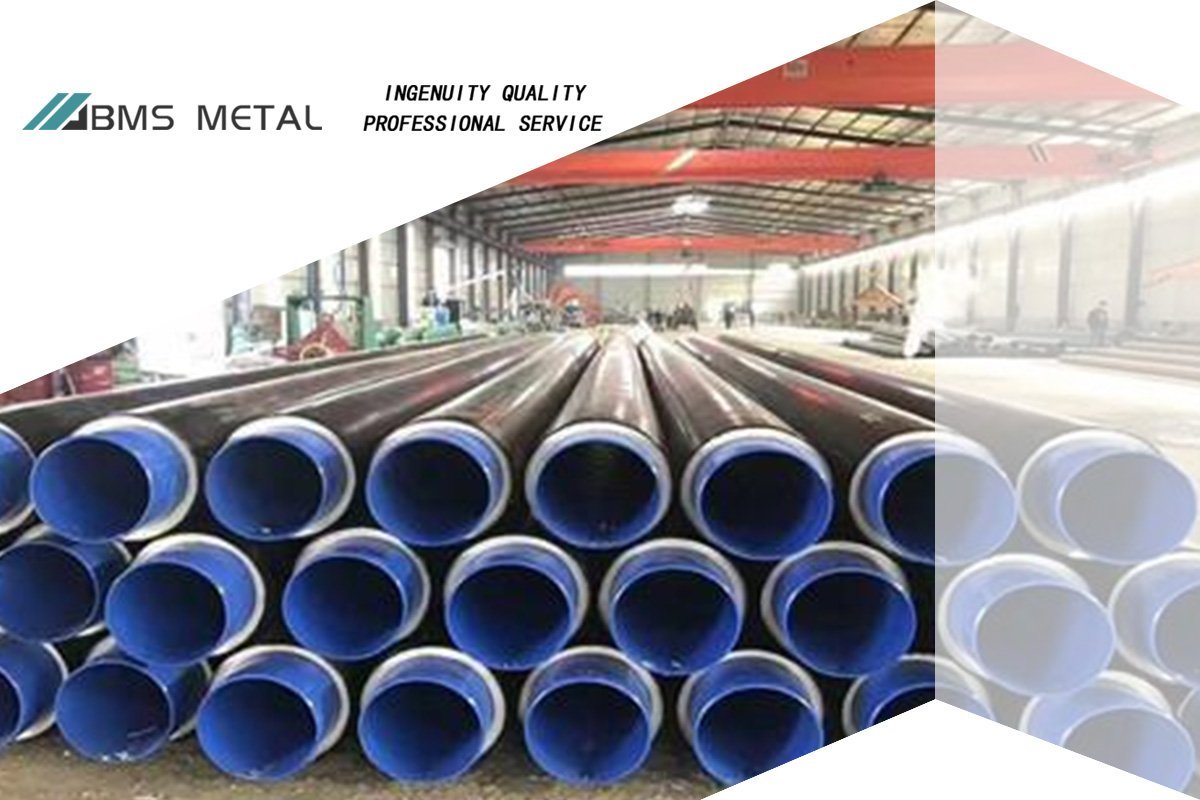
Seamless stainless steel tubing is an indispensable component in the oil and gas industry due to its unique combination of properties, including superior corrosion resistance, high strength, and remarkable durability. Therefore, in this article, we delve into everything that you need to know about seamless stainless steel pipes in the oil and gas industry, including its challenges and issues, applications, analysis, and manufacturing and inspection considerations.
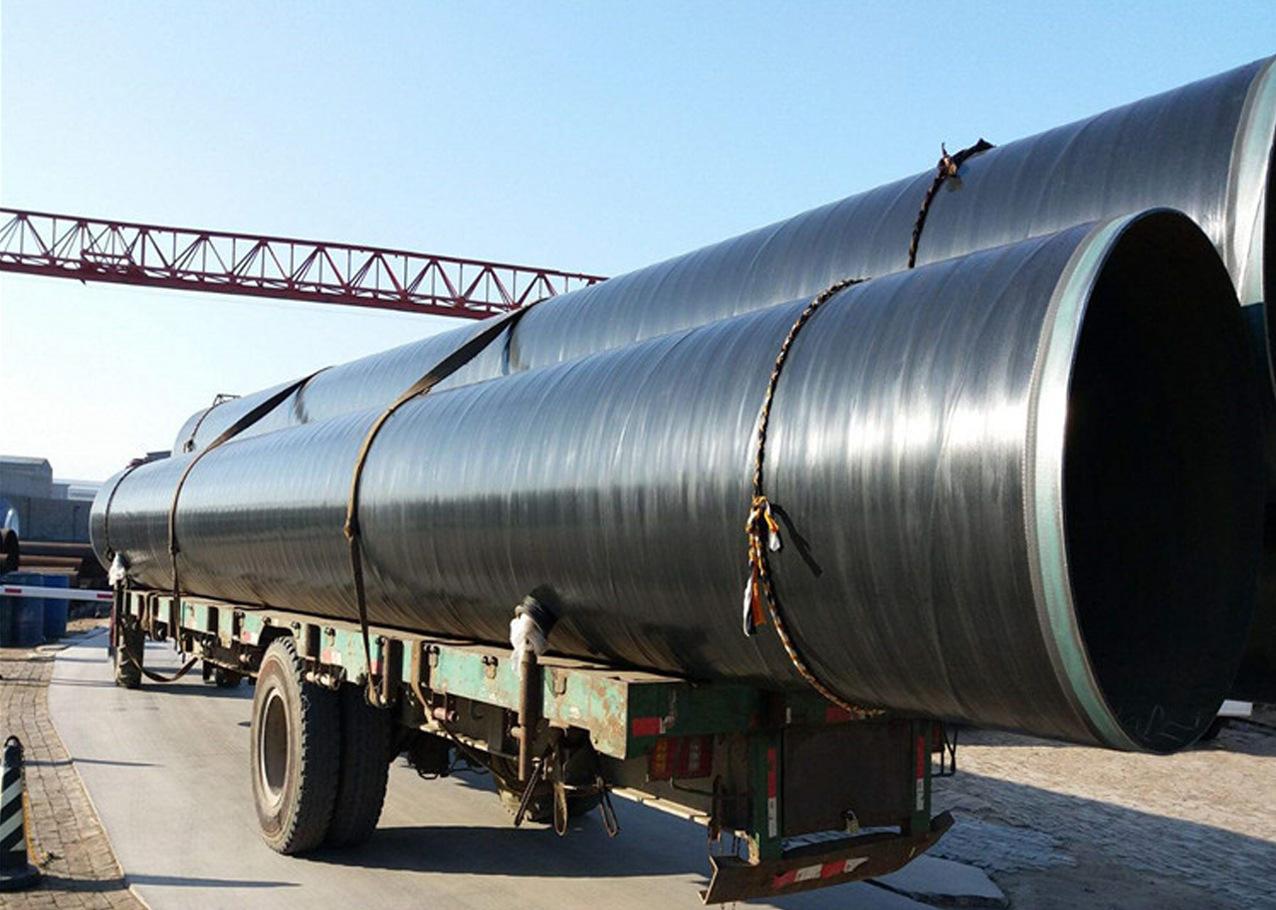
Seamless stainless steel tubing is now widely used in the oil and gas industry due to its exceptional performance and reliability, surpassing that of other materials. It is utilized in various applications, such as well finishing and pipeline transportation, where high strength, durability, and corrosion resistance are critical. As the industry faces increasing challenges such as harsh temperatures, high pressure, and flow rates, the demand for reliable and secure tubing for oil and gas transportation is rapidly growing.
Challenges and Issues
Operating Conditions and Challenges
The oil and gas industry presents exclusive challenges to tubing, such as extreme temperature and pressure fluctuations, exposure to severe surroundings, and high flow rates. These harsh conditions subject the SS tubing to an increased risk of damage and failure, making seamless pipe an obvious choice as it can resist harsh conditions, minimize unplanned downtime, and diminish safety risks.
Issues with Corrosion and Damage
The oil and gas industry suffers considerable corrosion constraints due to the corrosive nature of the fluids transported and the harsh environments encountered. The dissolution of metal by chemical or electrochemical reactions can lead to costly system failures and safety hazards. The use of the stainless steel tubing like astm a269 in the oil and gas industry is based on its exceptional corrosion resistance and mechanical properties, which enable it to resist many types of corrosion and damage.
Applications and Case Studies
Case Studies
Seamless stainless steel pipe for the oil and gas industry is employed in multiple applications, including well’s completion, pipelines, wellheads, and manifolds. Case studies reveal that using stainless steel pipe in well completion applications enhances production process efficiency, ultimately leading to a more profitable and cost-effective outcome.
Examples of the Use of Seamless Stainless Steel Tubing for Oil and Gas Transportation
Seamless stainless steel tubing is extensively used in various oil and gas transportation systems, such as pipelines, to minimize system corrosion and damage. It is also used to manufacture wellheads and manifolds, which can resist high pressure and temperatures.

Analysis of Seamless Stainless Steel Tubing
Factors Affecting Performance
Stainless steel tubing for the oil and gas industry undergoes rigorous testing and evaluation to guarantee that it meets the necessary performance criteria. The evaluation process involves examining the tubing’s corrosion resistance, fatigue strength, and mechanical properties to determine its suitability for a specific application.
Stainless Steel Types for Different Applications
Several types of stainless steel like 304, 316L undergo scrutiny for their suitability in various oil and gas industry applications, depending on the tubing’s required properties, such as corrosion resistance, strength, hardness, and weldability.
Manufacturing and Inspection
Methods for Manufacturing Seamless Stainless Steel Tubing
Seamless stainless steel tubing is manufactured using various methods, including cold drawing and hot extrusion. Cold drawing produces a smoother surface finish with superior dimensional accuracy and tighter tolerances, while hot extrusion produces large diameter tubing with improved mechanical properties.
Installation, Maintenance, and Inspection Considerations
Properly installing, maintaining, and inspecting tubing systems is essential to ensure optimal performance and safety. Preventative maintenance procedures, such as cleaning or flushing the tubing system, can effectively reduce the risk of corrosion and damage. In addition, non-destructive testing methods like ultrasonic testing are valuable tools for detecting tubing defects before they lead to catastrophic failures.
Conclusion
Seamless stainless steel tubing is a trustworthy option for the oil and gas industry as long as the tubing meets required standards and is properly installed, maintained, and inspected. It is chosen for its resistance to corrosion, mechanical strength, and durability, which are crucial for surviving the challenging operating conditions that are typically found in the industry. Additionally, the proper selection of stainless steel types and use of preventative measures to prevent corrosion and damage can extend the lifespan and safety of seamless stainless steel tubing for many years.