

- Discover the equivalent standards to ASTM F138, including ISO 5832-1 and ASTM F139. Learn about their applications in surgical implants and other industries, ensuring compliance and performance. Explore this comprehensive guide to choosing the right material for your medical and industrial needs.
- Introduction:
ASTM F138 is a critical standard in the medical field, particularly for surgical implants and medical devices. Its importance stems from its stringent requirements for biocompatibility and corrosion resistance, ensuring that the materials used do not cause adverse reactions in the human body. The standard specifies the chemical composition and mechanical properties of stainless steel, making it a preferred choice for implants that must endure the harsh environment inside the human body without compromising patient safety.
- Subsection:
The specific properties that make ASTM F138 crucial include its low carbon content, which enhances corrosion resistance, and its high nickel and molybdenum content, contributing to its strength and durability. These characteristics are vital for medical implants like bone screws, plates, and other devices that require long-term stability and reliability. Additionally, ASTM F138 stainless steel undergoes rigorous testing to ensure it meets the biocompatibility standards, making it suitable for direct contact with tissues and bones.
What Are the Common Equivalents to ASTM F138?
How Does ISO 5832-1 Compare to ASTM F138?
ISO 5832-1 is a widely recognized international standard that is often considered equivalent to ASTM F138. Both standards specify stainless steel grades used in surgical implants, particularly for their biocompatibility and corrosion resistance. ISO 5832-1, like ASTM F138, ensures the material’s suitability for long-term implantation in the human body. The primary differences lie in their regional usage, with ISO 5832-1 being more common in European and international markets, whereas ASTM F138 is prevalent in North America.
Can ASTM F139 Be Used as an Equivalent?
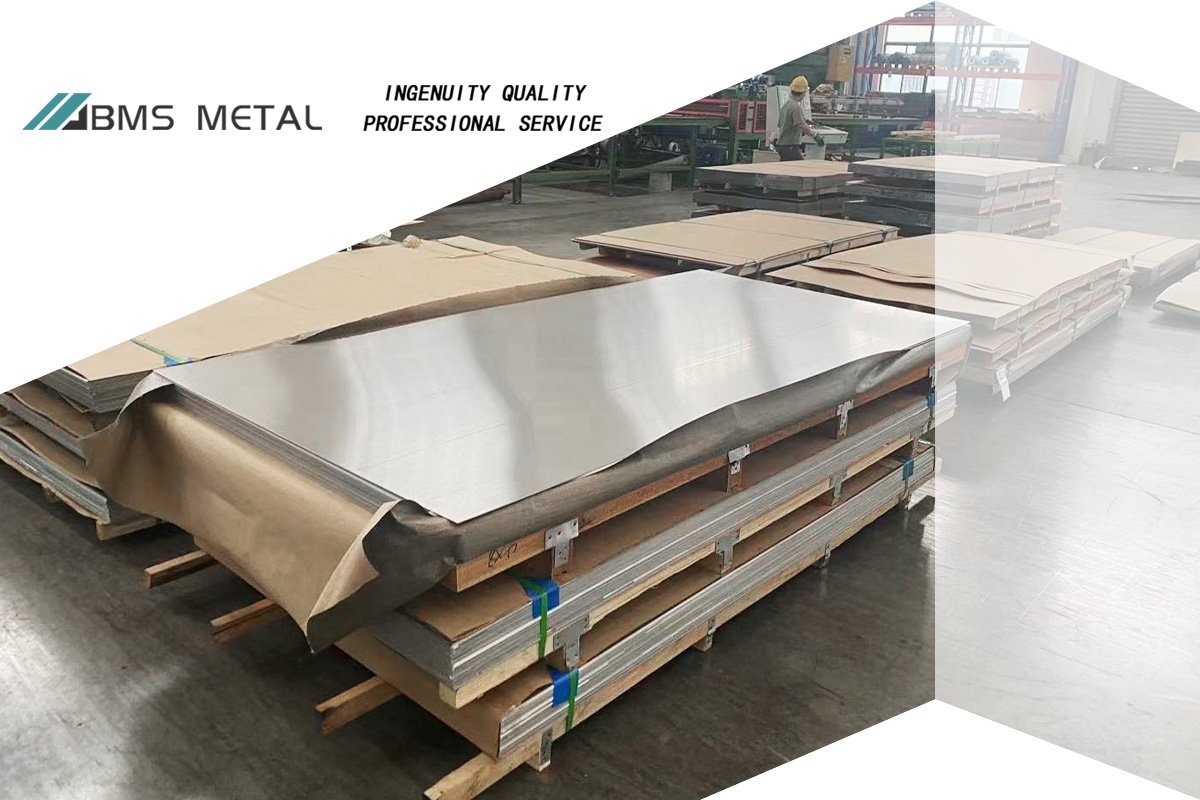
ASTM F139 is often used as an equivalent to ASTM F138, particularly for applications involving sheet and strip forms of stainless steel. While ASTM F138 covers bar and wire forms, ASTM F139 is tailored for sheet and strip, both materials meeting similar standards for biocompatibility and corrosion resistance. The choice between these standards depends on the specific form of the material required for the medical device or implant.
What Are the Applications of ASTM F138 and Its Equivalents?
How Are These Standards Used in Surgical Implants?
ASTM F138 and its equivalents, such as ISO 5832-1 and ASTM F139, are extensively used in the medical industry for manufacturing surgical implants. These materials are ideal for producing bone screws, plates, and other orthopedic devices due to their excellent biocompatibility, corrosion resistance, and mechanical properties. The high purity and consistency of these materials ensure that they perform reliably in the human body over extended periods.
Can ASTM F138 Equivalents Be Used in Other Industries?
While ASTM F138 and its equivalents are primarily used in the medical field, their superior properties also make them suitable for other high-stress applications. For instance, they are used in the aerospace and industrial sectors where corrosion resistance and durability are critical. In these industries, the materials are often employed in components that must withstand harsh environments and prolonged use.
What Factors Should You Consider When Choosing an Equivalent?
How Do Compliance Requirements Impact Your Choice?
When selecting an equivalent to ASTM F138, it is crucial to ensure that the chosen material meets all relevant regulatory standards. Compliance with these standards is essential to guarantee the safety and efficacy of the medical devices or implants produced. Different regions may have specific requirements, so understanding the regulatory landscape is vital in making the right choice.
Does Material Availability Influence Your Decision?
Material availability is another important factor when choosing an equivalent to ASTM F138. Depending on the geographic location and specific application, certain standards like ISO 5832-1 or ASTM F139 may be more readily available or cost-effective. Assessing the supply chain and availability of these materials can help in making a practical decision.
What Performance Characteristics Are Critical?
The performance characteristics of the material, such as its durability, machinability, and resistance to wear and corrosion, should align with the specific requirements of the application. For medical implants, biocompatibility and corrosion resistance are paramount, while in industrial applications, factors like strength and wear resistance might take precedence. Selecting an equivalent that meets these performance criteria is essential for the success of the final product.
Conclusion: What Is the Best ASTM F138 Equivalent for Your Needs?
When choosing an equivalent to ASTM F138, it’s important to consider factors such as regulatory compliance, material availability, and specific performance requirements. ISO 5832-1 and ASTM F139 are both viable alternatives, depending on the application. Understanding these nuances will help in selecting the best material to ensure safety, reliability, and cost-effectiveness in your medical or industrial projects.