

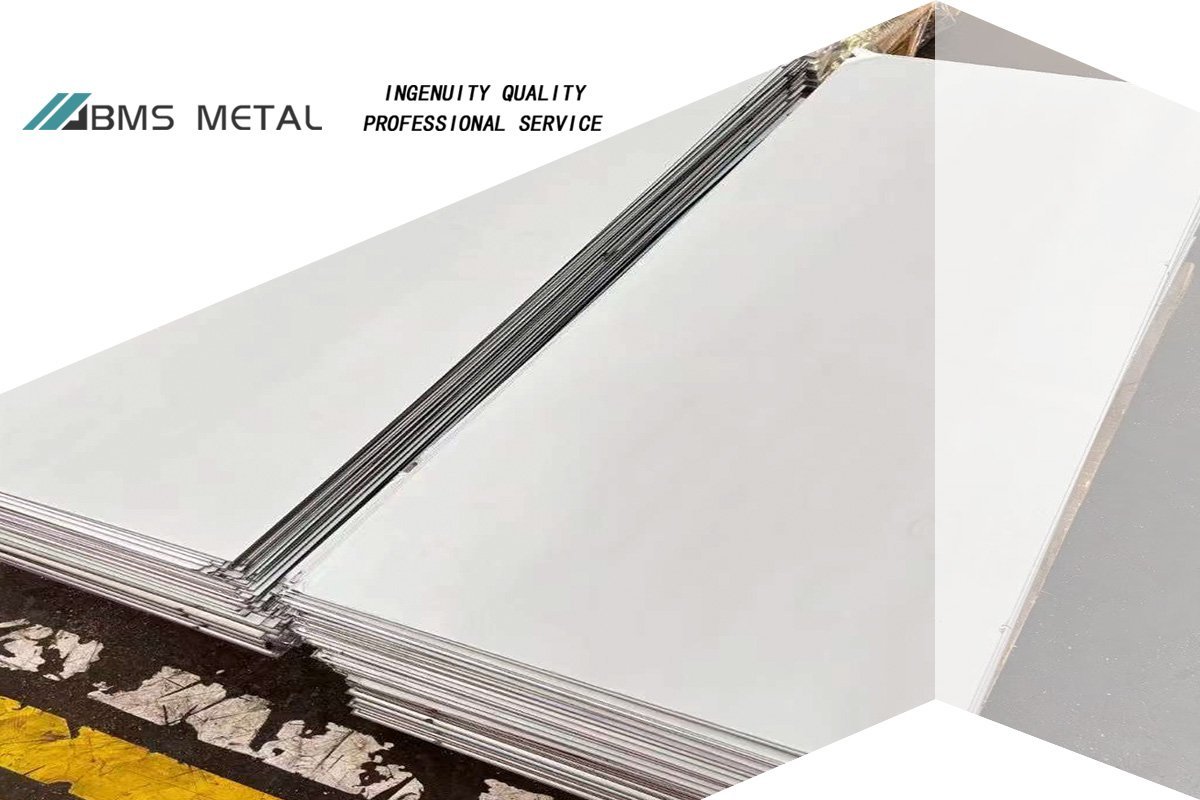
Introduction to Stainless Steel Sheet
Definition and Overview
A stainless steel sheet is a flat material made from stainless steel, extensively used in various industrial and commercial applications. It is known for its excellent corrosion resistance and strength, mainly used for manufacturing corrosion-resistant, wear-resistant, and aesthetically pleasing products. The production process of stainless steel sheets involves complex smelting and processing steps, endowing them with superior physical and mechanical properties.
Stainless steel sheets are usually available in different thicknesses, widths, and lengths to meet diverse application needs. Their surface treatment techniques (such as mirror polishing and brushing) can also be adjusted as required to suit different design and usage environments.
Historical Background
The invention of stainless steel dates back to the early 20th century. In 1904, British chemist Harry Brearley discovered that adding chromium significantly improved steel’s corrosion resistance, marking the birth of stainless steel and sparking a major revolution in the steel industry.
Over time, the application range of stainless steel sheets has expanded from kitchen utensils and cutlery to building facades, aerospace components, and medical equipment. The production process of stainless steel sheets has also continuously improved, with techniques like hot rolling, cold rolling, and annealing introduced, significantly enhancing their performance and quality.
Types of Stainless Steel Sheets
Classification by Composition
Stainless steel sheets can be categorized into several main types based on their chemical composition:
- Austenitic Stainless Steel Sheet: Contains higher proportions of nickel and chromium, offering excellent corrosion resistance and good plasticity. Commonly used in chemical processing equipment and food processing equipment.
- Ferritic Stainless Steel Sheet: Contains higher chromium but lower nickel content, with slightly inferior corrosion resistance but good oxidation resistance and wear resistance. Often used in automotive exhaust systems and kitchen equipment.
- Martensitic Stainless Steel Sheet: Contains higher carbon, offering higher strength and hardness but poorer corrosion resistance. Commonly used in cutlery and medical devices.
- Duplex Stainless Steel Sheet: Combines the properties of austenitic and ferritic stainless steels, providing high strength and excellent corrosion resistance. Commonly used in the oil and gas industry.
Classification by Grade
Stainless steel sheets can also be classified into different grades based on various application requirements and performance standards:
- 304 Stainless Steel Sheet: The most common type, with good corrosion resistance and workability, widely used in food processing and chemical industries.
- 316 Stainless Steel Sheet: Compared to 304, 316 contains more molybdenum, offering better corrosion resistance, especially in marine environments.
- 430 Stainless Steel Sheet: A ferritic stainless steel with lower corrosion resistance, stable in certain acidic and alkaline environments, commonly used in household appliances and automotive components.
Manufacturing Process of Stainless Steel Sheets
Raw Materials and Smelting
The manufacturing process of stainless steel sheets begins with the preparation of raw materials, including iron ore, chromium ore, and nickel ore. These materials are first smelted to form stainless steel alloys. The smelting process typically takes place in electric arc furnaces or converters, where high-temperature alloying reactions transform the raw materials into stainless steel with the desired composition.
Sheet Production Methods
- Hot Rolling: Molten stainless steel alloy is rolled into sheets at high temperatures, significantly improving the material’s mechanical properties and reducing production costs. Hot-rolled stainless steel sheets are typically used for thicker sheets.
- Cold Rolling: Hot-rolled stainless steel sheets are further rolled at room temperature, resulting in a smoother surface and more precise dimensions. Cold-rolled stainless steel sheets are suitable for applications requiring high surface quality and dimensional accuracy.
- Annealing and Pickling: After cold rolling, stainless steel sheets usually undergo annealing and pickling processes to remove the oxide layer and other impurities, enhancing the material’s corrosion resistance.
Properties of Stainless Steel Sheets
Physical Properties
- Corrosion Resistance: Stainless steel sheets offer excellent corrosion resistance, maintaining stability in various harsh environments and resisting rust.
- Strength and Durability: Stainless steel sheets have high strength and wear resistance, suitable for use under high pressure, high temperature, and heavy load conditions.
- Thermal Conductivity: Stainless steel sheets have lower thermal conductivity, making them suitable for applications requiring insulation or thermal isolation.
Mechanical Properties
- Tensile Strength: Stainless steel sheets possess high tensile strength, capable of withstanding significant tensile forces without breaking.
- Hardness: The hardness of stainless steel sheets depends on their chemical composition and processing methods, with heat treatment significantly enhancing hardness.
- Impact Toughness: Stainless steel sheets exhibit good toughness in low-temperature or high-impact environments, reducing the risk of brittle fracture.
Applications of Stainless Steel Sheets
Industrial Applications
- Chemical and Petrochemical Industry: Widely used in chemical reactors, storage tanks, and piping due to their corrosion resistance and high-temperature endurance.
- Aerospace and Automotive Industry: The strength and wear resistance of stainless steel sheets make them ideal for aerospace components and automotive parts.
Commercial Applications
- Construction and Building: Used in building facades, interiors, and structural supports for their aesthetic appeal and durability.
- Food Processing and Medical Equipment: Due to their hygienic properties and corrosion resistance, stainless steel sheets are widely used in food processing equipment and medical devices.
Specialized Uses
- Marine Applications: Performs excellently in marine environments, widely used in ships and marine facilities.
- High-Temperature Environments: Maintains strength and stability under high-temperature conditions, suitable for furnaces and heating equipment.
Advantages of Using Stainless Steel Sheets
Durability and Longevity
- Corrosion and Rust Resistance: Stainless steel sheets resist various corrosive environments, preventing rust and corrosion, thereby extending their lifespan.
- Low Maintenance Requirements: The low maintenance needs of stainless steel sheets mean they require less frequent upkeep and replacement over time.
Aesthetic Appeal
- Surface Treatment Options: Stainless steel sheets can undergo various surface treatments, such as mirror polishing and brushing, to meet different visual and design requirements.
- Design Flexibility: Stainless steel sheets offer strong workability, suitable for cutting, bending, and welding, making them ideal for complex designs and constructions.
Economic Considerations
- Cost-Benefit Analysis: Despite their higher initial cost, stainless steel sheets offer high cost-effectiveness in the long run due to their durability and low maintenance needs.
- Lifespan and Return on Investment: The long service life and stable performance of stainless steel sheets make them a high-return investment.
Common Standards and Specifications
International Standards
- ASTM, ISO, and EN Standards: The production and testing of stainless steel sheets must comply with international standards such as ASTM (American Society for Testing and Materials), ISO (International Organization for Standardization), and EN (European Standards) to ensure their quality and performance.
Industry-Specific Standards
- Standards for Aerospace, Automotive, and Construction Industries: Different sectors have specific standards and specifications to ensure the performance and safety of stainless steel sheets in particular applications.
Conclusion
Key Points Summary
Stainless steel sheets are a material with excellent performance and wide applications, available in various types and grades to meet different needs. From definition, types, and manufacturing processes to application scenarios, stainless steel sheets demonstrate their importance and versatility.
Future Trends
The technology of stainless steel sheets is continuously innovating and developing, with potential for new alloys and processing techniques to emerge in the future, further expanding their application fields and performance advantages.
FAQ
The main types include austenitic stainless steel sheets, ferritic stainless steel sheets, martensitic stainless steel sheets, and duplex stainless steel sheets.
- Austenitic Stainless Steel Sheets: The most common type with excellent corrosion resistance and workability.
- Ferritic Stainless Steel Sheets: Contain higher chromium with lower corrosion resistance but good oxidation resistance.
- Martensitic Stainless Steel Sheets: Contain higher carbon, offering high hardness and strength but poorer corrosion resistance.
Duplex Stainless Steel Sheets
Duplex stainless steels combine the properties of austenitic and ferritic stainless steels, offering high strength and excellent corrosion resistance.
How Are Stainless Steel Sheets Manufactured?
The manufacturing of stainless steel sheets includes smelting raw materials, hot rolling, cold rolling, annealing, and pickling processes.
What Are the Benefits of Using Stainless Steel Sheets in Construction?
Stainless steel sheets offer advantages such as corrosion resistance, aesthetic appeal, and low maintenance requirements, making them ideal for building facades and interiors.
Stainless steel sheets adhere to specific standards for various industries.
- API: American Petroleum Institute
- BS: British Standards
- DIN: German Industrial Standards (Deutsches Institut für Normung)
- JIS: Japanese Industrial Standards
- AMS: Aerospace Material Specifications
- EN: European Standards
- ISO: International Organization for Standardization
- ASTM: American Society for Testing and Materials
These standards ensure that stainless steel sheets meet the quality and performance requirements for different applications.