

Introduction:
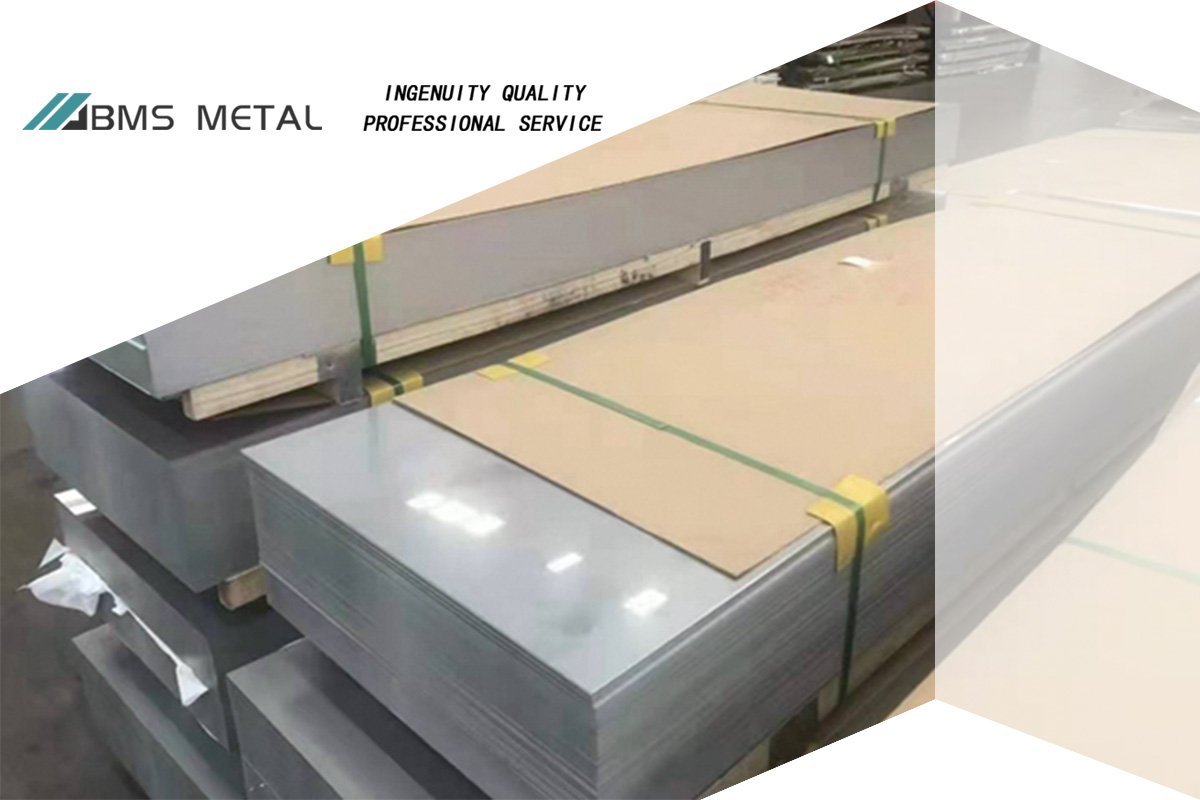
Stainless steel sheets are widely used in industrial applications due to their unique properties and exceptional durability. They come in various types, including austenitic, ferritic, martensitic, and duplex, each suitable for different purposes. In this article, we will explore the advancements, future prospects, and theoretical basis of stainless steel sheets in industrial applications.

Types of Stainless Steel Sheets:
Austenitic stainless steel sheets
Austenitic stainless steel sheets are known for their excellent corrosion resistance, making them ideal for industries such as construction, automotive, and aerospace. This resistance is due to the presence of chromium, which forms a passive oxide layer on the surface, protecting the steel from corrosion.
2.2 Ferritic stainless steel sheets
Ferritic stainless steel sheets offer good resistance to stress corrosion cracking, making them suitable for automotive components and heat exchangers. This type of stainless steel contains higher amounts of chromium and, in some cases, other elements like molybdenum or titanium to enhance corrosion resistance.
Martensitic stainless steel sheets
Martensitic stainless steel sheets are high-strength materials commonly used in manufacturing tools and cutlery. They have a distinctive microstructure, characterized by a martensitic phase, which provides hardness and strength. However, they are more susceptible to corrosion than austenitic or ferritic stainless steels.
Duplex stainless steel sheets
Duplex stainless steel sheets combine the best properties of ferritic and austenitic stainless steels. They exhibit high strength along with excellent corrosion resistance, making them suitable for demanding applications such as oil and gas processing, chemical plants, and water treatment facilities. The duplex microstructure consists of both austenite and ferrite phases, providing a balance between strength and corrosion resistance.
Industrial Applications of Stainless Steel Sheets:
Stainless steel sheets find even more diverse applications across a range of industries due to their unique properties. One such industry is the energy sector, where stainless steel sheets are utilized in the construction of power plants and renewable energy facilities. They are commonly employed in equipment such as heat exchangers, turbines, and boiler components. The high-temperature resistance and corrosion resistance of stainless steel allow for efficient energy production and ensure the longevity of these critical infrastructure components.
Medical Field
In the medical field, stainless steel sheets play a vital role in the manufacturing of medical equipment and devices. Surgical instruments, implants, and diagnostic instruments are often made with stainless steel due to its biocompatibility, strength, and ease of sterilization. The non-reactive nature of stainless steel sheets makes them ideal for ensuring patient safety and reducing the risk of contamination.
Marine Industry
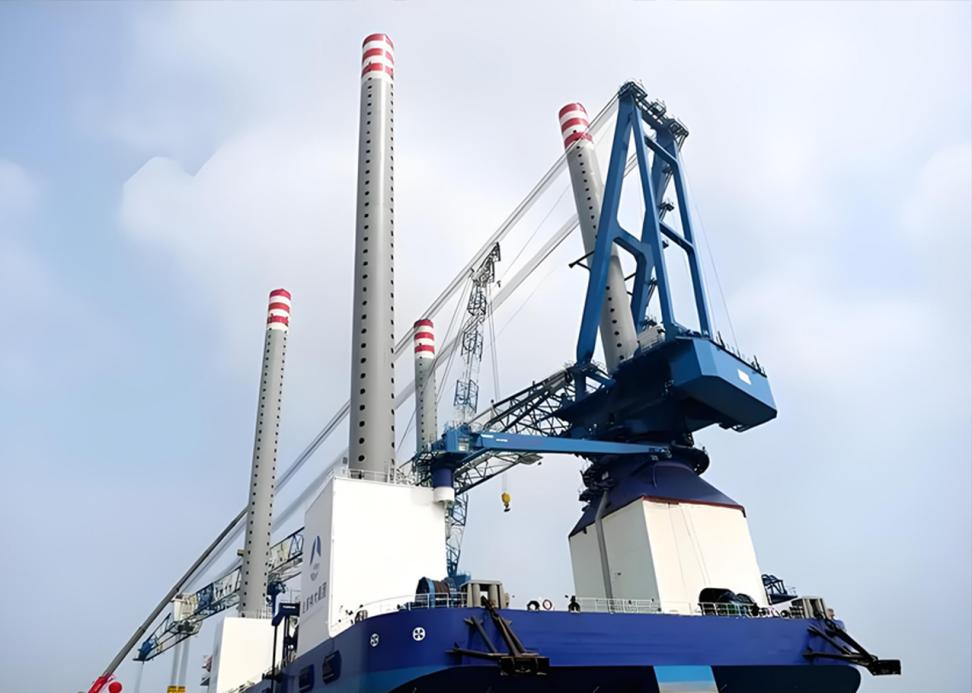
Stainless steel sheets also find application in the marine industry due to their exceptional resistance to corrosion in saltwater environments. They are utilized in the construction of ships, offshore platforms, and other maritime structures. Stainless steel sheets provide durability and longevity in harsh marine conditions, offering protection against the corrosive effects of saltwater and reducing maintenance costs.
Electronics Industry
Moreover, the electronics industry incorporates stainless steel sheets in various manufacturing processes. They are used in the production of electronic components, such as computer chassis, mobile phone frames, and appliance housings. Stainless steel ensures electromagnetic compatibility, corrosion resistance, and mechanical stability, safeguarding the integrity and functionality of electronic devices.
Transportation Industry
Additionally, stainless steel sheets are prevalent in the transportation industry beyond automotive applications. They are utilized in the manufacturing of railway cars, subway systems, and cargo containers, benefiting from stainless steel’s durability, resistance to impact, and fire resistance properties. Stainless steel’s aesthetic appeal and ease of maintenance also contribute to its use in architectural elements of transportation infrastructure.
Pharmaceutical Industry
Furthermore, the pharmaceutical industry relies on stainless steel sheets for the production of pharmaceutical processing equipment. Tanks, mixing vessels, and sterile piping systems are typically made from stainless steel due to its ability to withstand harsh chemical processes and maintain sterility. Stainless steel sheets’ ease of cleaning and resistance to contamination make them essential for ensuring the quality and safety of pharmaceutical products.
Water Treatment and Desalination Industry
Lastly, the water treatment and desalination industry utilize stainless steel sheets extensively. They are employed in the construction of storage tanks, pipes, and filtration systems due to their corrosion resistance and ability to withstand high-pressure conditions. Stainless steel sheets play a crucial role in providing clean and safe water for various applications, including drinking water supply, wastewater treatment, and industrial processes.
In conclusion, the industrial applications of stainless steel sheets are vast and diverse. From construction and automotive industries to aerospace, food processing, chemical plants, energy, medical, marine, electronics, transportation, pharmaceuticals, and water treatment sectors, stainless steel sheets contribute to improved performance, durability, hygiene, and safety across a multitude of applications.
Advantages of Stainless Steel Sheets in Industrial Applications:
Stainless steel sheets have become indispensable in industrial applications due to a wide array of advantages they offer. These versatile materials possess exceptional qualities that contribute to enhanced performance and efficiency in various industries.
Remarkable Corrosion Resistance
One significant advantage of stainless steel sheets is their remarkable corrosion resistance. This property ensures the longevity and durability of industrial components, as they can withstand harsh environments, exposure to chemicals, and corrosive substances. By using stainless steel sheets, industries can minimize maintenance costs, as there is less need for frequent repairs or replacements.
High Strength
In addition to corrosion resistance, stainless steel sheets exhibit high strength, making them capable of withstanding heavy loads and impacts. This attribute is particularly valuable in industrial sectors that involve rigorous processes or heavy machinery. Whether it’s in construction, manufacturing, or transportation, stainless steel sheets provide structural integrity and reliability, ensuring the safety of workers and the longevity of equipment.
Temperature Resistance
The temperature resistance of stainless steel is another advantage that contributes to its wide-ranging industrial applications. Stainless steel sheets can withstand both high and low temperatures without losing their integrity or compromising performance. This makes them ideal for industries that operate in extreme environments, such as aerospace, energy production, and automotive manufacturing. Whether exposed to intense heat or freezing cold, stainless steel sheets maintain their strength and structural stability.
Hygiene and cleanliness
Hygiene and cleanliness are critical considerations in industries like food processing, pharmaceuticals, and healthcare. Stainless steel sheets possess inherent hygienic properties, making them a top choice for applications where cleanliness and sanitation are paramount. They are non-porous, preventing the growth of bacteria or accumulation of contaminants, and they are easy to clean and sterilize. Stainless steel sheets are resistant to staining, making it easier to maintain high standards of hygiene and safety in sensitive environments.
Sleek and Modern Look
Beyond their functional benefits, stainless steel plates/sheets also contribute to the aesthetic appeal of industrial designs. With their sleek and modern look, stainless steel sheets enhance the visual appeal of structures, equipment, and components. This makes them popular not only for industrial applications but also for architectural elements in commercial buildings, interior design, and urban infrastructure.
Highly Recyclable
Furthermore, SS sheets are highly recyclable, aligning with the growing focus on sustainability and environmental consciousness. As a recyclable material, stainless steel sheets contribute to the circular economy and reduce the overall carbon footprint of industrial processes.
In conclusion, stainless steel sheets offer a multitude of advantages in industrial applications. Their corrosion resistance, high strength, temperature resistance, hygienic properties, and aesthetic appeal make them incredibly versatile and beneficial across diverse industries. From enhancing durability and reducing maintenance costs to ensuring cleanliness and sustainability, stainless steel sheets play a vital role in driving progress and innovation in industrial sectors.
Challenges and Limitations:
While stainless steel sheets offer a range of advantages, they also come with certain challenges and limitations that should be considered. Understanding these factors is crucial for informed decision-making and successful implementation of stainless steel sheets in various applications.
Manufacturing Challenges
One of the primary challenges associated with stainless steel sheets is the cost involved in their manufacturing. Due to the specific materials required, advanced technology, and specialized expertise needed in the production process, stainless steel sheets can be relatively expensive compared to other materials. The higher production costs are attributed to factors such as the sourcing and procurement of high-quality raw materials, advanced alloying techniques, precise manufacturing processes, and stringent quality control measures. It is important for manufacturers and end-users alike to carefully evaluate the cost-benefit ratio and consider the long-term value that stainless steel sheets offer despite their initial investment.
Sheet Fabrication Challenges
Another challenge lies in the complexity of stainless steel sheet fabrication. The process requires specialized equipment and skilled labor to shape, cut, weld, and finish the sheets according to specific requirements. Due to the material’s inherent strength and resistance, it can be more challenging to work with compared to other metals. Achieving precise dimensions, intricate designs, and seamless finishes may demand advanced fabrication techniques and experienced professionals who are well-versed in working with stainless steel. This complexity can impact production timelines, costs, and overall project feasibility.
Proper Maintenance of Stainless Steel
Proper maintenance is vital for ensuring the longevity and optimal performance of stainless steel sheets. While stainless steel is known for its corrosion resistance, neglecting regular cleaning and inspection can lead to the formation of surface contaminants, which can compromise its protective properties. In demanding industrial environments where stainless steel sheets are frequently exposed to harsh chemicals, high temperatures, or physical abrasion, routine maintenance becomes even more critical. Cleaning methods should be selected carefully to avoid any potential damage, and periodic inspections should be conducted to identify early signs of corrosion, defects, or any other issues that may impact the sheets’ performance.
Furthermore, while stainless steel is highly resistant to corrosion, it is not completely immune. In certain environments, such as those with high chloride concentrations or extreme temperatures, stainless steel sheets may still exhibit signs of corrosion if not properly specified or maintained. It is essential to carefully evaluate the intended application and select the appropriate stainless steel grade that offers the required level of corrosion resistance for the specific environmental conditions. Consulting with corrosion experts and considering additional protective measures, such as coatings or inhibitors, can help mitigate the risk of corrosion and extend the lifespan of the stainless steel sheets.
Limitations in Extreme Environments
Additionally, although stainless steel sheets possess excellent mechanical properties, they may have limitations in extreme or specialized applications. Extreme temperatures, aggressive chemicals, or high mechanical stresses can potentially affect the performance and integrity of stainless steel sheets. In such cases, alternative materials or specialized alloys may be more suitable to ensure optimal performance and durability.
Recognizing these challenges and limitations associated with stainless steel sheets is essential for effectively managing projects and maximizing their benefits. Through careful consideration of costs, fabrication complexities, proper maintenance practices, corrosion risks, and suitability in specific applications, stakeholders can make informed decisions and leverage the exceptional properties of stainless steel sheets while overcoming any potential limitations.
Future Developments and Innovations:
The future outlook for stainless steel sheets in industrial applications is highly promising, as ongoing advancements and innovations continue to drive the material’s capabilities to new heights. Researchers and engineers are constantly exploring novel alloy compositions and manufacturing techniques to further enhance the properties and performance of stainless steel sheets.
Development of New Alloy Compositions
One significant area of focus is the development of new alloy compositions that can unlock superior properties in stainless steel sheets. By strategically incorporating elements such as nitrogen, niobium, or nickel into the alloy matrix, researchers are able to tailor specific attributes of stainless steel. This includes improving strength, corrosion resistance, or achieving a balance between both properties. These alloy innovations are paving the way for stainless steel sheets to be applied in even more demanding and corrosive environments, expanding their range of applications across diverse industries.
Surface Treatments and Coatings Innovation
In addition to alloy advancements, surface treatments and coatings represent another avenue of innovation for stainless steel sheets. Researchers are actively investigating various methods and formulations to further enhance the protective properties of stainless steel surfaces. Through the application of advanced coatings and surface treatments, the already impressive corrosion resistance of stainless steel sheets can be further bolstered, leading to extended lifespans and enhanced durability. These developments are especially valuable in applications where stainless steel sheets are subjected to particularly aggressive or corrosive environments.
Advent of Cutting-edge Fabrication Techniques
The advent of cutting-edge fabrication techniques is also revolutionizing the production process of stainless steel sheets, making it more efficient and cost-effective. One notable advancement in this realm is additive manufacturing, also known as 3D printing. Additive manufacturing enables the creation of complex geometries and customized designs with ease, offering new possibilities for stainless steel sheet applications. This technology allows for the production of intricate, fully-functional components that were previously difficult to manufacture through conventional methods. The precise control and layer-by-layer deposition of material in additive manufacturing result in reduced material waste, shortened lead times, and increased design flexibility, ultimately driving down costs and expanding the accessibility of stainless steel sheets.
Precision Forming of Stainless Steel Sheets
Precision forming is another evolving fabrication technique that holds immense potential for stainless steel sheets. This method utilizes advanced tools, equipment, and computer-controlled processes to shape and form stainless steel sheets with remarkable accuracy and repeatability. Precision forming enables the production of intricate shapes, tight tolerances, and seamless finishes, catering to the increasing demand for customized stainless steel components in various industries. This advancement not only enhances the aesthetic appeal of stainless steel sheets but also opens up new opportunities for their use in architectural, automotive, and other precision-driven applications.
Advancements in Surface Analysis and Testing Techniques
Furthermore, advancements in surface analysis and testing techniques contribute to the development of stainless steel sheets. These technologies enable researchers and manufacturers to gain deeper insights into the material’s microstructure, surface properties, and performance characteristics. This knowledge helps in the continual improvement of stainless steel sheets, allowing for the identification of potential weaknesses, the optimization of manufacturing processes, and the creation of superior products.
The ongoing efforts in research, technological innovation, and collaboration among industry stakeholders are driving the future of stainless steel sheets towards even greater heights. As new alloy compositions, advanced surface treatments, state-of-the-art fabrication techniques, and comprehensive testing methods continue to emerge, the potential applications and performance capabilities of stainless steel sheets are expanding significantly. These developments ensure that stainless steel sheets will remain at the forefront of industrial materials, offering sustainable and long-lasting solutions across a wide range of sectors.
Conclusion:
Stainless steel sheets/plates have become indispensable materials in various industrial applications due to their unique properties. With different types available, such as austenitic, ferritic, martensitic, and duplex, stainless steel sheets can meet the specific requirements of different industries. They offer advantages such as corrosion resistance, high strength, temperature resistance, and aesthetic appeal. Despite challenges related to cost and maintenance, ongoing developments and innovations ensure a promising future for stainless steel sheets in industrial applications. As technology advances, stainless steel sheets will continue to evolve, meeting the ever-growing demands and requirements of different industries.