

Introduction
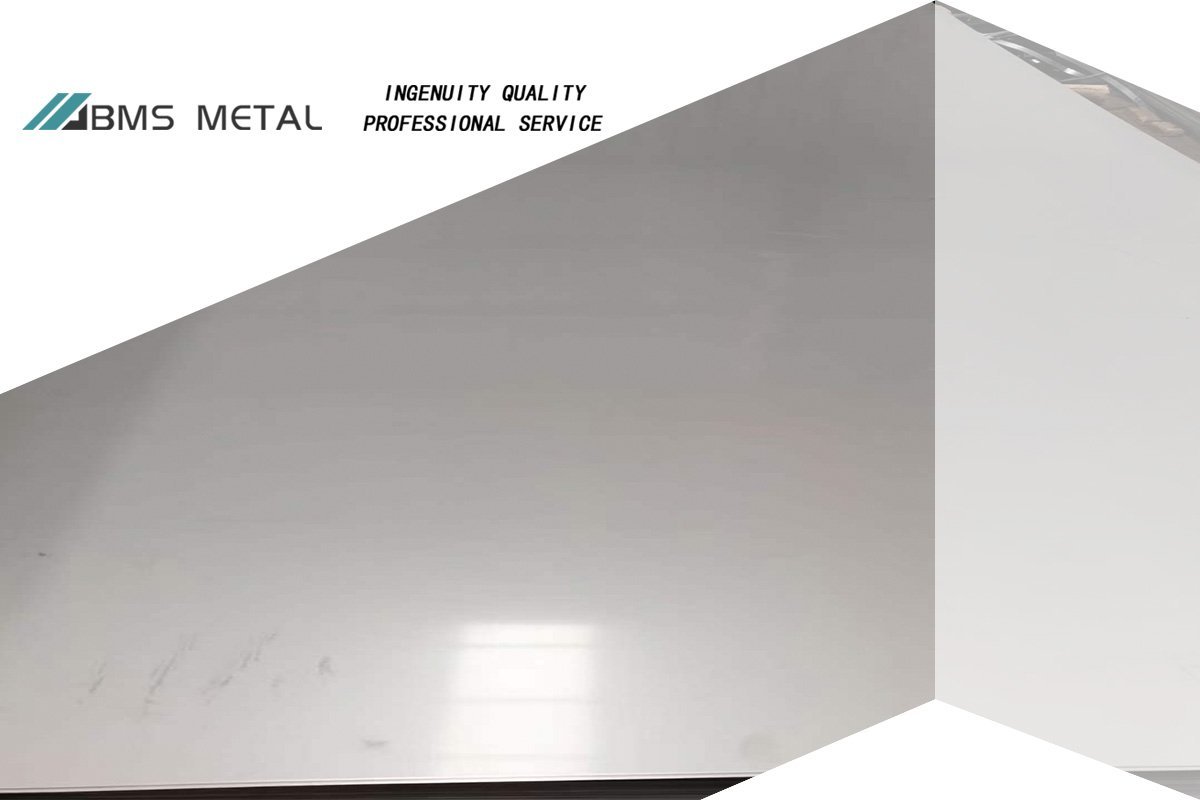
Stainless steel plates, as a critical building material, hold significant importance. Their corrosion resistance, high-temperature resistance, and oxidation resistance make them widely used across various industries. Among these, 1mm stainless steel plates stand out as particularly important.
Advantages of 1mm Stainless Steel Plates
Lightweight and Flexibility
Compared to other thicknesses, 1mm stainless steel plates offer several advantages. Their lightweight and flexible characteristics make them widely used in the manufacturing industry, especially in scenarios requiring lightweight materials. Additionally, 1mm thick stainless steel plates also have unique advantages in the construction and decoration fields, meeting the diverse needs of different users.
Manufacturing Process and Material
Manufacturing Process of 1mm Stainless Steel Plates
Raw Material Smelting
The raw materials for stainless steel typically include iron ore and other alloying elements such as nickel, chromium, and molybdenum. These materials undergo smelting and refining processes to obtain high-purity stainless steel raw materials.
Melting and Casting
The smelted stainless steel raw materials are heated to a molten state and then poured into molds to form initial cast billets.
Hot Rolling
After heating the cast billets to the appropriate temperature, they are processed through hot rolling equipment, such as hot rolling mills or hot continuous rolling mills. This step makes the plates more uniform and dense, and controls their thickness.
Pickling
Hot-rolled stainless steel plates usually have oxides and other surface contaminants. Pickling removes these impurities, making the surface smoother and cleaner.
Cold Rolling
The stainless steel plates, after hot rolling and pickling, undergo cold rolling through cold rolling mills. Cold rolling makes the plate thickness more uniform, the surface smoother, and improves the mechanical properties of the plates.
Annealing
Cold-rolled stainless steel plates may have some stress and hardness. Annealing treatment can adjust and improve the performance of the plates, reduce their hardness, and enhance their workability.
Cutting and Shaping
The annealed stainless steel plates can be cut and shaped according to customer requirements, such as cutting into specific sizes or forming through bending and folding.
Inspection and Packaging
Finally, the finished products undergo quality inspection to ensure they meet relevant standards and requirements. The finished products are then packaged for transportation and storage.
Common Processing Methods
Cutting
Stainless steel plates are cut to the required dimensions and shapes as needed.
Bending
Stainless steel plates are bent into shapes as per design requirements, either mechanically or manually, to produce various components or parts.
Polishing
The surface of the stainless steel plates is polished to make it smooth and shiny, enhancing their aesthetic appeal.
Brushing
Mechanical or chemical methods create brushed textures on the stainless steel plate surface, improving their decorative effect and wear resistance.
Mirror Finish
Special processing gives stainless steel plates a mirror-like reflective surface, often used for decoration and aesthetic purposes.
Film Coating
A protective film is applied to the surface of the stainless steel plates to protect them from scratches, contamination, or corrosion, and to maintain surface cleanliness during transportation and installation.
Application Fields
1mm Thick Cold-Rolled Stainless Steel Plates
Electronics
In electronics manufacturing, 1mm thick cold-rolled stainless steel plates are used for making phone cases, laptop cases, and tablet cases. Their thin, corrosion-resistant properties provide excellent appearance and protection.
Kitchenware
Stainless steel cold-rolled plates are highly corrosion-resistant and heat-resistant, making them commonly used for kitchenware such as pots, pans, and stove panels. They ensure food safety and have a long service life.
Architectural Decoration
1mm thick cold-rolled stainless steel plates can be used for interior and exterior decoration, such as wall panels, ceilings, and stair railings. Their smooth and easy-to-clean surfaces enhance the overall aesthetic of buildings.
Automotive Parts
In automotive manufacturing, stainless steel cold-rolled plates are often used for making body parts and interior decorative panels. Their lightweight and corrosion-resistant properties improve the overall quality and durability of vehicles.
Medical Equipment
Due to their excellent corrosion resistance and ease of cleaning, 1mm thick cold-rolled stainless steel plates are widely used in medical equipment manufacturing, such as surgical instruments and medical device components, ensuring the safety and hygiene of medical equipment.