

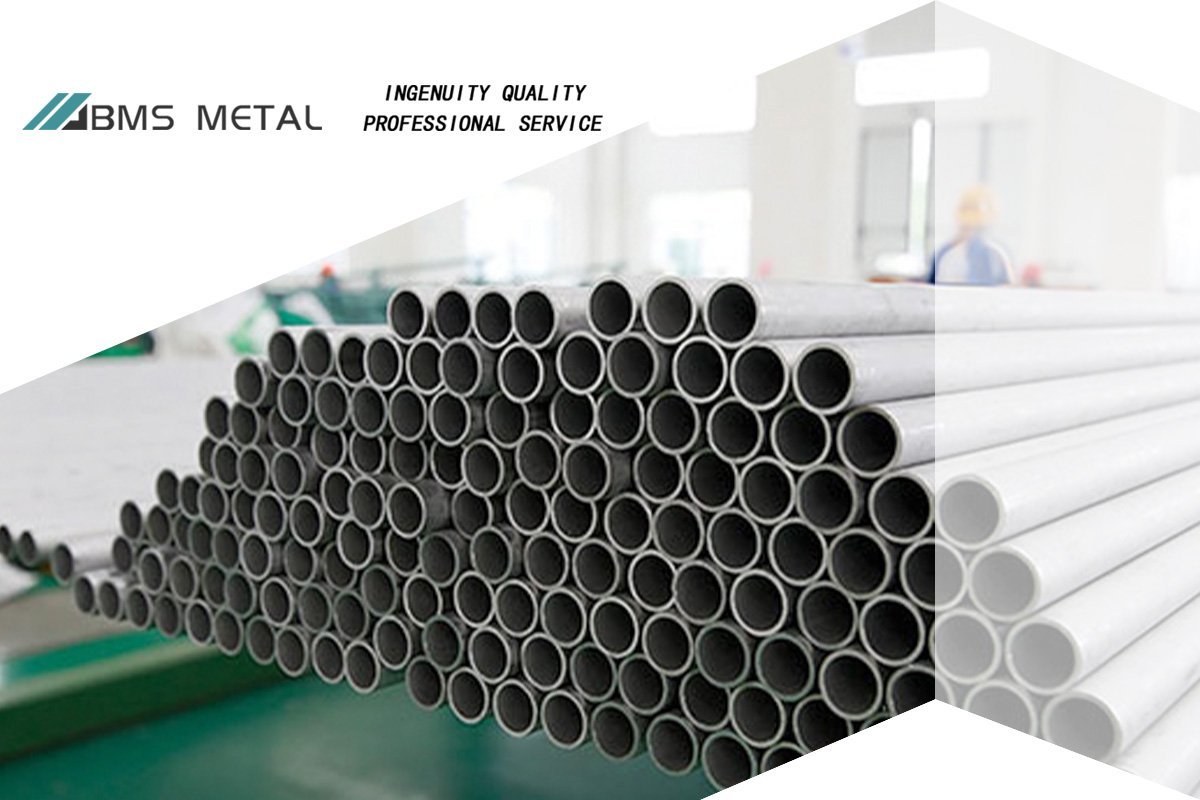
Stainless steel pipes play a vital role in today’s modern industries. The most important features of seamless tubing are high resistance to corrosion and high temperatures, excellent durability, excellent flow properties, and enhanced structural integrity. Due to their exceptional properties, seamless stainless steel tubing has found its place in many key industries such as automotive, aerospace, chemical, and medical.
In this shareable post, we will explore all the knowledge of seamless stainless steel pipes, including their advantages and applications, factors affecting their quality, cost considerations, maintenance and repair. Additionally, we will delve into the possibilities of future research and development in this field.
Advantages of Seamless Stainless Steel Tubing
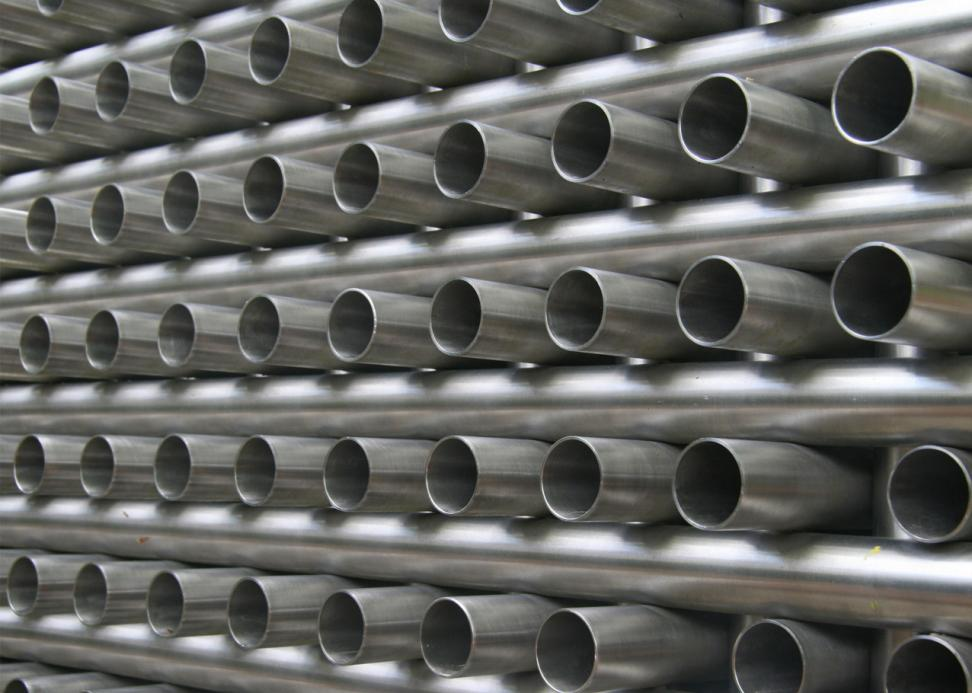
Seamless stainless steel tubing has gained a reputation for having several advantages over other types of tubing, such as welded or drawn stainless steel tubing. One significant advantage is its enhanced structural integrity. The seamless manufacturing process, which involves the use of high-end equipment, produces tubing with consistent dimensional accuracy and without any seams or weak points commonly found in welded tubing. Its strength and durability make it the go-to choice for high-pressure systems and critical applications, such as aerospace and medical equipment.
Another benefit of seamless stainless steel pipe is its smoother inner surface. The seamless manufacturing process ensures that there are no rough edges or crevices, making it the ideal option for applications that require the transport of fluids or gases. Its smoother surface helps minimize turbulence and resistance, leading to smoother flow properties.
Properties of Seamless Stainless Steel Tubing
One of the most significant benefits of stainless steel tubing is its excellent corrosion resistance. Thanks to the chromium, molybdenum and nickel in stainless steel, a layer of passive chromium oxide is formed, which protects the metal from rust and corrosion. This feature makes it ideal for applications where the tubing is exposed to hostile environments such as high temperatures or corrosive substances, such as in the chemical, petrochemical, or nuclear industry.
Seamless tubing like ASTM A270 has high-temperature resistance, making it popular in industries such as aerospace. The durability of the duplex tubes ensures that it is not prone to damage at high temperatures or extreme pressure, making it ideal for use in hydraulic systems and fuel lines in aircraft, as well as other high-pressure systems such as engines, pumps, valves in automotive manufacturing.
Applications of Seamless Stainless Steel Tubing
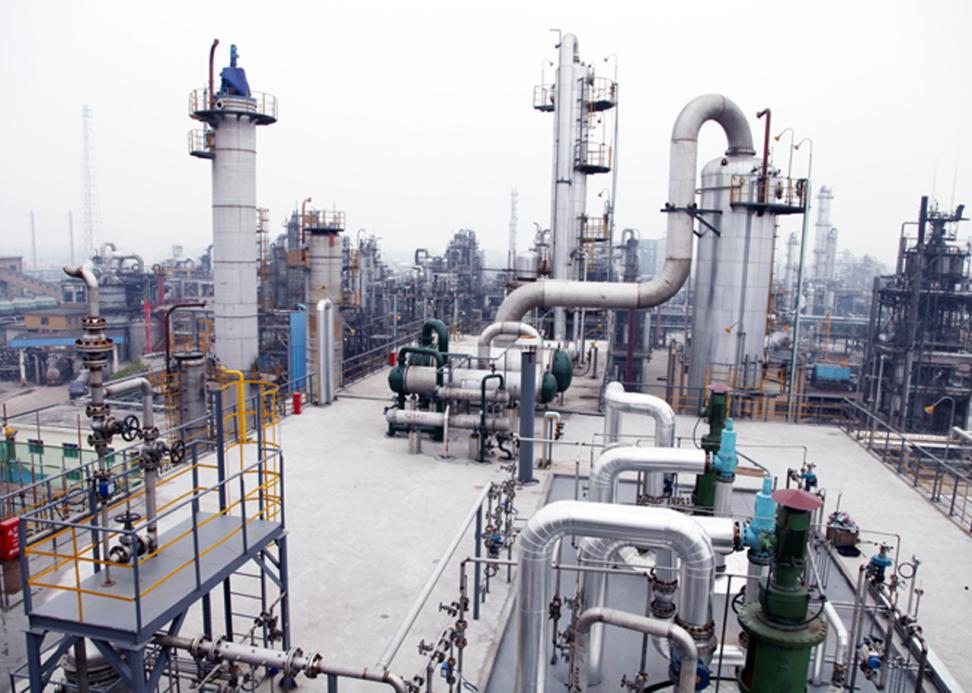
The uses of seamless stainless steel tubing are endless. It is widely used in various industries due to their unique properties. Aerospace and aviation manufacturing rely on seamless stainless steel tubing in the production of aircraft hydraulic systems, fuel lines, and engines. Also, seamless tubes like 304 or 316L pipes are increasingly becoming popular for precision applications in surgical implants and medical equipment due to their corrosion resistance and ability to withstand sterilization procedures.
The chemical and petrochemical industries are other major markets for seamless tubing. Seamless stainless steel tubing’s high-temperature resistance, coupled with its corrosion resistance, makes it an ideal choice for transport and containment of chemicals, as well as the transport of liquids and gases in extreme temperatures. Also, Medical equipment, automotive engineering, and power generation facilities are among the other sectors that uses seamless stainless steel tube.
Factors that Affect the Quality of Seamless Stainless Steel Tubing
Seamless stainless steel tubing quality is influenced by various factors, particularly concerning the manufacturing process and the steel alloy used. Steel alloy composition plays a significant role in determining corrosion resistance, high-temperature resistance, and durability. The 316 stainless steel tubing has a higher resistance to corrosion and high temperatures due to its molybdenum content, while it is more affordable than its 304 stainless steel counterpart. Furthermore, manufacturers use chemical analysis to ensure that the correct material is used to produce the required tubing, which is necessary to maintain consistency and reliability.
Quality control during production is another major factor that influences the seamless stainless steel tubing quality. Manufacturers must ensure that there are no defects in the tubing, such as cracks or unwanted particles, that can lead to failure or deterioration of the tubing during its application.
Cost Considerations of Seamless Stainless Steel Tubing
Seamless stainless steel tubing’s cost varies depending on several factors such as the steel alloy used, the production process, and the tubing’s size and thickness. However, the seamless stainless steel tubing manufacturing process is often more costly than welded tubing due to its precision and complexity. Despite the higher initial cost, seamless stainless steel tubing offers superior durability, corrosion resistance, and high-temperature resistance, making it a cost-effective option over the long run.
Maintenance and Repair of Seamless Stainless Steel Tubing
Seamless stainless steel tubing requires minimal maintenance and repair due to its superior properties. Its resistance to corrosion eliminates the need for frequent maintenance and repair. However, it is essential to take measures to prevent corrosion from damage, such as correct installation and taking steps to prevent adverse environmental conditions.
Conclusion
In conclusion, seamless stainless steel tubing is a vital component in several modern industries due to its unique properties. Its benefits and applications are endless, making it an invaluable asset in critical applications such as aerospace, medical, and the chemical industry. Factors that affect the quality of seamless stainless steel tubing include the type of steel alloy used, manufacturing process, quality control during production, installation, and maintenance of the tubing. Nevertheless, with proper care, seamless stainless steel tubing offers superior durability, corrosion resistance, and high-temperature resistance, making it a cost-effective choice over the long run.