

Introduction:
Stainless steel plates are widely used in various industries due to their exceptional corrosion resistance and durability. Ensuring the quality and performance of these Plates is of utmost importance, which necessitates thorough inspections. This article will delve into the key aspects of quality inspection for stainless steel Plates, including standard requirements, inspection methods, and their theoretical basis, accompanied by relevant examples.

Standard Requirements:
Complying with industry standards is of utmost importance when conducting inspections of stainless steel sheets/plates. These standards establish guidelines and specifications that are essential for maintaining consistency, reliability, and overall quality in the evaluation process.
Stainless steel sheet/plates inspections must adhere to specific standards that encompass various aspects of the material’s properties and characteristics. One crucial aspect is dimensions, which involve assessing the length, width, thickness, and other relevant measurements. In addition to dimensions, these standards also address the surface quality of the stainless steel sheets/plates. Surface defects such as scratches, dents, or blemishes can significantly impact the performance, appearance, and durability of the material.
Moreover, the chemical composition of stainless steel is a critical factor in determining its suitability for various applications. Standards for stainless steel sheet/plates inspections include requirements for the appropriate levels of elements such as carbon, chromium, nickel, and other alloying elements. Mechanical properties, such as tensile strength, yield strength, and elongation, are also subject to stringent standard requirements.
The grain structure of the stainless steel material is another aspect covered by these standards. The formation and arrangement of the grains in the microstructure can impact the material’s mechanical properties, including its strength, toughness, and ductility. Standards specify the desired grain structure, which typically involves fine and evenly distributed grains.
Inspection Methods:
Dimensional Analysis:
Dimensional analysis is a critical inspection method that involves performing precise measurements on stainless steel (SS) plates. These measurements typically include assessing the plate’s length, width, thickness, and flatness. By conducting accurate dimensional control, manufacturers can determine whether the sheet meets the required specifications for its intended application. This process ensures that the plates adhere to the specified dimensional tolerances, allowing for proper fit and functionality in downstream processes.
Theoretical Basis:
The theoretical basis of dimensional analysis lies in the field of geometric dimensioning and tolerancing (GD&T). GD&T provides a standardized framework through which manufacturers can define and communicate dimensional requirements. By employing GD&T principles, companies can achieve uniformity and compatibility across different manufacturing processes. This facilitates effective collaboration between various teams and ensures that the dimensional specifications are consistently met.
Example:
The automotive industry offers a compelling example of the importance of dimensional analysis. Stainless steel plates are extensively used for body panels, such as fenders, doors, and hoods. These plates need to meet stringent dimensional requirements to ensure proper alignment and fitment during the assembly process.
For instance, any deviation from the specified dimensions in automotive body panels could lead to fitment issues and compromise the overall integrity of the vehicle structure. Misaligned panels may result in uneven gaps, interference with other components, or compromised safety.
Dimensional analysis plays a vital role in verifying the compliance of stainless steel plates with the dimensional requirements specified in automotive design and manufacturing standards. By conducting precise measurements and checks, manufacturers can ensure that the dimensions of the plates meet the tolerances defined for each specific panel. This, in turn, guarantees the accurate alignment, proper assembly, and optimal functionality of the body panels, contributing to the overall quality and safety of the vehicle.
Surface Inspection:
Surface quality is a critical factor in the performance and integrity of stainless steel Plates. Visual inspection is the first step in identifying any surface imperfections, such as scratches, pits, or irregularities. However, to detect subtle defects, additional techniques like dye penetrant testing, magnetic particle testing, or eddy current testing may be employed. These methods help identify defects that may impact the sheet’s corrosion resistance, appearance, or structural integrity.
Theoretical Basis:
Surface inspection techniques rely on the principles of non-destructive testing (NDT). NDT methods are designed to identify surface or subsurface defects without causing any damage to the material being inspected. These methods exploit different physical phenomena, such as capillary action (dye penetrant testing) or electromagnetic induction (eddy current testing), to detect and characterize surface defects.
Example:
In the construction industry, SS plates used for architectural purposes require a visually flawless surface. Surface inspection techniques can identify defects like cracks or blemishes, ensuring that only Plates with impeccable surface quality are selected for applications such as cladding or decorative panels.
Importance of Surface Quality:
The surface quality of stainless steel plates is of paramount importance due to its direct impact on the overall performance and integrity of the material. Whether it is in industrial applications, architecture, or consumer goods, the appearance, corrosion resistance, and structural integrity of stainless steel plates are heavily influenced by the surface condition. Therefore, thorough surface inspection is crucial to ensure that only plates with superior quality are used in various applications.
Visual Inspection and Surface Imperfections:
The initial step in surface inspection involves visual examination. This manual inspection allows inspectors to identify surface imperfections that are readily visible to the naked eye, such as scratches, pits, dents, or unevenness. Visual inspection provides a basic assessment of the surface quality and is a fundamental and cost-effective method used in the initial screening of stainless steel plates.
Detecting Subtle Defects:
While visual inspection can detect obvious surface imperfections, it may not be sufficient to identify more subtle defects that can compromise the performance and aesthetics of stainless steel plates. To overcome this limitation, additional non-destructive testing techniques are employed for a more comprehensive evaluation of the surface condition.
Dye Penetrant Testing:
Dye penetrant testing, also known as liquid penetrant inspection, is one of the methods used to identify surface defects that may not be easily visible to the naked eye. This technique involves applying a colored liquid penetrant to the surface of the stainless steel plate. The liquid penetrant seeps into any cracks, fractures, or other openings on the surface by capillary action. After a designated time for the penetrant to penetrate into the defects, excess penetrant is removed, and a developer is applied. The developer helps to draw out the penetrant trapped within the defects, making them more visible and allowing inspectors to identify and evaluate the extent of the defects accurately.
Magnetic Particle Testing:
Another valuable method for surface inspection is magnetic particle testing, which is highly effective in identifying surface and near-surface defects in stainless steel plates. This technique relies on the principle of magnetic induction. A magnetic field is applied to the surface of the plate, and fine magnetic particles, either dry or suspended in a liquid, are scattered over the surface. The particles align themselves around any magnetic leakage fields created by defects, creating visible indications of the defects. This method is particularly useful for detecting cracks, voids, or other surface irregularities that may affect the durability and structural integrity of the stainless steel.
Eddy Current Testing:
Eddy current testing is an electromagnetic inspection technique that can detect surface and near-surface defects in conductive materials like stainless steel plates. It works based on the principle of electromagnetic induction, where an alternating electromagnetic field is generated using a coil. When the coil passes over the surface, any irregularities or defects in the material induce changes in the eddy currents, resulting in measurable variations in the electrical conductivity or impedance. These variations are collected and analyzed, allowing inspectors to identify and assess surface defects, such as cracks, corrosion, or material degradation.
Chemical Composition Analysis:
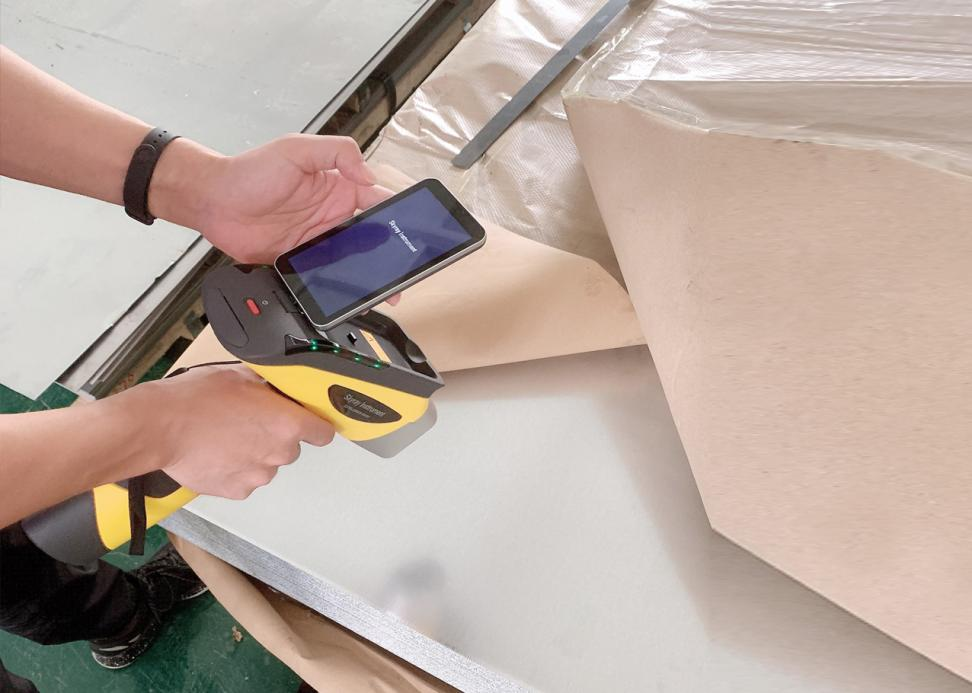
The chemical composition of stainless steel Plates significantly influences their properties and performance. Analyzing the composition ensures that the Plates meet the required standards, including the specified percentages of elements such as chromium, nickel, titanium, and carbon. Spectroscopy or X-ray fluorescence techniques are commonly used to determine the chemical composition accurately.
Theoretical Basis:
Chemical composition analysis is based on the principles of elemental analysis and spectroscopy. These techniques use the interaction between matter and electromagnetic radiation to identify and quantify the elements present in the stainless steel Plates accurately.
Example:
In the aerospace industry, stainless steel Plates used for aircraft components must have specific elemental compositions to ensure high strength and resistance to extreme temperatures. Chemical composition analysis ensures compliance with stringent requirements, minimizing the risk of material failure under challenging operating conditions.
Importance of Chemical Composition Analysis:
Chemical composition analysis plays a crucial role in various industries where stainless steel plates are used. By understanding the exact composition of the plates, manufacturers can guarantee that the material meets the necessary standards and specifications. This analysis helps ensure that the plates possess the desired mechanical properties, corrosion resistance, and heat resistance required for specific applications.
Accurate chemical composition analysis also allows for quality control during the manufacturing process. By verifying the presence and percentages of elements like chromium, nickel, titanium, and carbon, manufacturers can identify any deviations that might affect the performance of the stainless steel plates. This enables them to make adjustments or reject materials that do not meet the required criteria, resulting in improved overall product quality.
Spectroscopy Techniques in Chemical Composition Analysis:
Spectroscopy techniques are commonly employed for chemical composition analysis of stainless steel plates. Spectroscopy works on the principle of the interaction between matter and electromagnetic radiation. It involves the measurement of the absorption, emission, or scattering of radiation to identify the elements and their concentrations accurately.
One widely used spectroscopy technique is X-ray fluorescence (XRF). XRF analysis involves bombarding the surface of the stainless steel plate with X-rays, which causes the emission of characteristic fluorescent X-rays. By analyzing the emitted X-rays, the composition of the material can be determined. XRF is non-destructive and provides rapid results, making it a popular choice for chemical composition analysis in industries.
Another spectroscopy technique used is atomic absorption spectroscopy (AAS), which measures the absorption of light by the atoms of specific elements. AAS is highly sensitive and can detect trace amounts of elements. It is particularly useful in identifying impurities and verifying that the desired elements are present within specified limits.
Application in Different Industries:
Apart from the aerospace industry mentioned in the earlier example, chemical composition analysis of stainless steel plates has significant applications in various other sectors. For instance, in the construction industry, stainless steel plates are utilized in structural frameworks and building components. By analyzing the chemical composition, it ensures that the plates can withstand the structural load, exhibit excellent durability, and resist corrosion in diverse environmental conditions.
In the automotive industry, stainless steel plates find applications in vehicle parts such as exhaust systems, chassis components, and fuel tanks. Through chemical composition analysis, manufacturers can ensure the plates possess the necessary elements to resist corrosion caused by road salts, chemicals, and high temperatures generated by engine operations.
Furthermore, the oil and gas industry extensively uses stainless steel plates in pipelines, storage tanks, and equipment for their excellent resistance to corrosion and oxidation. Chemical composition analysis is crucial to verify that these plates possess the required alloying elements, such as chromium and nickel, to maintain integrity, prevent leaks, and uphold safety standards in demanding operating environments.
Mechanical Performance Testing:
The mechanical properties of stainless steel Plates are crucial for assessing their suitability for specific applications. Tensile strength, yield strength, hardness, and ductility are among the essential mechanical characteristics evaluated. Tensile testing, where a sample is subjected to controlled forces until failure, provides insights into the sheet’s strength. Hardness testing methods, such as Rockwell or Vickers hardness tests, measure the material’s resistance to indentation. These tests help manufacturers and end-users determine if the sheet meets the desired mechanical requirements.
Theoretical Basis:
Mechanical performance testing relies on the principles of material properties and mechanical engineering. These tests evaluate how stainless steel Plates respond to external forces and provide valuable information about their ability to withstand loads and resist deformation.
Example:
In the manufacturing industry, stainless steel Plates used for machine components need to have a high tensile strength to ensure structural integrity and operational safety. By conducting tensile and hardness tests, manufacturers can verify if the Plates possess the required mechanical properties, guaranteeing optimal performance and longevity.
Importance of Tensile Strength:
Tensile strength plays a significant role in determining the performance and durability of stainless steel Plates. It refers to the maximum amount of tensile stress that a material can withstand before breaking or experiencing permanent deformation. Understanding the tensile strength of stainless steel Plates is crucial in various industries, including construction, automotive, aerospace, and manufacturing.
By subjecting stainless steel Plates to tensile testing, manufacturers can accurately determine the maximum load the Plates can bear without failure. This information helps them select the appropriate grade of stainless steel for specific applications. For instance, in construction projects where structural components need to withstand heavy loads, stainless steel Plates with high tensile strength are preferred to ensure long-term stability and safety.
Additionally, tensile strength evaluation allows engineers to design components with adequate margins of safety. It provides insights into the material’s ability to handle stress and prevents unexpected failures that could lead to accidents or costly repairs. Engineers can confidently select and specify stainless steel Plates that meet or exceed the required tensile strength for a given application, minimizing the risk of performance issues or structural failures.
Significance of Yield Strength:
Yield strength is another critical mechanical property assessed during testing. It represents the stress at which a material begins to exhibit plastic deformation, or permanent strain, without rupture. Yield strength is particularly important in situations where stainless steel Plates experience cyclic loading or dynamic forces, such as in machinery or heavy equipment.
By determining the yield strength of stainless steel Plates, manufacturers and engineers can establish the maximum stress level at which the material can be loaded without permanent deformation. This knowledge helps in selecting appropriate safety factors and designing structures that can withstand repeated loading cycles without compromising integrity.
Furthermore, yield strength influences the selection of materials based on desired manufacturing processes. For instance, when using stainless steel Plates for forming or fabrication operations, a lower yield strength may be preferred to facilitate ease of shaping, while still ensuring adequate strength for the final product.
Exploring Hardness Testing:
In addition to tensile and yield strength, hardness testing is vital for evaluating the mechanical performance of stainless steel Plates. Hardness is the material’s ability to resist indentation, scratching, or wear. By measuring the hardness of stainless steel, manufacturers can assess its resistance to deformation and surface damage, providing insights into its overall durability.
Different hardness testing methods, such as Rockwell or Vickers hardness tests, are employed depending on the specific requirements of the application. These tests involve applying controlled loads or indentations on the material’s surface and measuring the depth or size of the resulting indentation. The obtained data is then compared to standardized hardness scales to determine the material’s hardness value.
The hardness of stainless steel Plates is closely related to their strength and wear resistance. In applications where resistance to abrasive environments or contact with other materials is crucial, selecting a stainless steel grade with high hardness can ensure extended service life and reduced maintenance costs.
Assurance of Mechanical Requirements:
Mechanical performance testing, encompassing tensile strength, yield strength, and hardness evaluations, helps manufacturers and end-users ensure that stainless steel Plates meet the desired mechanical requirements for their intended applications. By conducting these tests, they can verify the quality and performance of the material, providing confidence in its suitability for specific uses.
Moreover, mechanical performance testing contributes to quality control processes, ensuring consistency and reliability in stainless steel Plate production. Manufacturers can establish and maintain stringent standards based on the mechanical properties derived from these tests. They can then provide certifications or documentation to assure customers that the stainless steel Plates they receive meet the necessary performance criteria.
Ultimately, the integration of mechanical performance testing in the manufacturing and selection process of stainless steel Plates enhances product reliability, safety, and overall customer satisfaction. Manufacturers can deliver high-quality Plates that meet industry standards and customer expectations, while end-users can make informed decisions based on accurate mechanical data provided by these tests.
Conclusion:
In conclusion, conducting thorough quality inspections of stainless steel Plates is crucial for ensuring their reliability and performance across various industrial applications. Adhering to industry standards throughout the inspection process guarantees that the Plates meet dimensional tolerances, surface quality requirements, chemical composition standards, and specific mechanical properties. By utilizing comprehensive quality inspection procedures based on well-established theoretical principles, manufacturers and industries can select stainless steel Plates that meet their specific performance criteria. This alignment ensures the production of durable and reliable products, maintaining customer satisfaction and promoting the success of stainless steel applications in diverse industries.