

Introduction
Stainless steel sheets are indispensable materials in the modern engineering field, known for their excellent corrosion resistance, mechanical properties, and aesthetics. As of 2022, China’s stainless steel supply is estimated to be around 29.39 million tons, a decrease of 10.35% compared to the previous year. Among them, China’s stainless steel production in 2022 reached a cumulative 27.38 million tons. Stainless steel sheets play a crucial role in the steel industry. This article delves into the importance of stainless steel sheets and their extensive applications in the current Chinese steel industry.
Introduction to the Significance of Stainless Steel Sheets
Stainless steel sheets, as a special alloy material, exhibit outstanding corrosion resistance, making them crucial in industries such as chemicals, marine engineering, and food processing. With the accelerated industrialization in China, the demand for high-quality stainless steel sheets has been continuously rising. Customs data indicates that China imported 2.38 million tons of high-carbon chromium iron from January to December 2022, and chromium is one of the essential raw materials for stainless steel. The excellent performance of stainless steel sheets makes them the preferred material in various industries for manufacturing durable equipment and structures.
Furthermore, stainless steel sheets are widely used in the construction industry for exterior wall decorations, roofing materials, and interior decorations. Their sleek appearance and easy-to-clean nature meet the requirements of modern architecture in terms of aesthetics and practicality.
Apart from the mentioned fields, stainless steel sheets also play an irreplaceable role in the energy industry, medical equipment manufacturing, electronics, and automotive manufacturing. In China, the world’s manufacturing giant, the demand for stainless steel sheets continues to grow, driving the development of the stainless steel industry.
Overview of the Stainless Steel Sheet Market
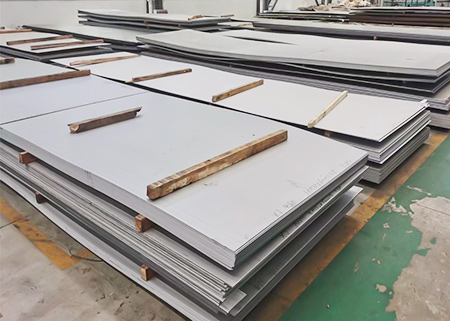
The stainless steel sheet market holds a significant position in China, with its size and trends reflecting the conditions of the Chinese steel industry and the demand in domestic and international markets. Understanding the size and trends of the Chinese stainless steel sheet market is crucial for grasping the price range.
The Size and Trends of the Chinese Stainless Steel Sheet Market
China is one of the largest stainless steel sheet markets globally, with continuous growth in stainless steel sheet consumption. With the rapid development of domestic industries such as construction, automotive manufacturing, and electronics, the demand for stainless steel sheets keeps increasing. In 2022, the size of the Chinese stainless steel sheet market reached X billion RMB. Additionally, exports are a crucial aspect of China’s stainless steel sheet industry, with Chinese stainless steel sheet products being exported worldwide.
Regarding market trend analysis, the Chinese stainless steel sheet market shows a balance between supply and demand, with prices influenced by various factors.
Factors Influencing Stainless Steel Sheet Prices
The prices of stainless steel sheets are influenced by multiple factors, including raw material prices, production costs, market supply and demand, and fluctuations in international market prices. Specifically, changes in policies within the steel industry, environmental requirements, and alterations in international trade relationships can significantly impact stainless steel sheet prices.
For instance, in recent years, the Chinese government has imposed stricter environmental requirements, leading stainless steel sheet production companies to invest more in environmental facilities. This might result in an increase in the prices of stainless steel sheets. Additionally, the instability in the international market can also cause fluctuations in the prices of stainless steel sheets in China.
The Role and Impact of Stainless Steel Sheet Inventory
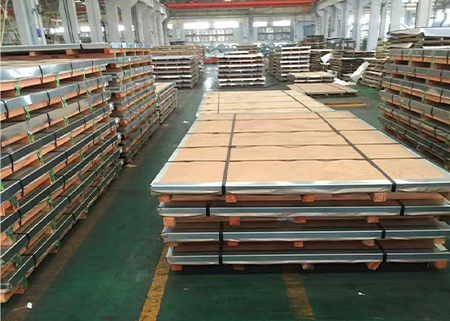
The inventory of stainless steel sheets is a vital indicator in the market, reflecting the health of the supply chain and market expectations. An increase in inventory levels typically leads to a price drop, while a decrease in inventory can push prices higher.
In the Chinese stainless steel sheet market, inventory levels are often influenced by seasonality and market demand. Enterprises manage their inventories based on market demand to ensure timely supply and avoid excessive inventory that ties up capital.
3. Factors and Range of Stainless Steel Sheet Prices
The pricing of stainless steel sheets is a complex and variable topic influenced by a multitude of factors. In the current state of China’s steel industry, here are some key factors and how they affect the price range of stainless steel sheets.
Impact of Raw Material Costs
Raw material costs are a significant component of stainless steel sheet prices. Stainless steel’s main raw materials include iron ore, nickel, chromium, and others. Since China is one of the world’s largest stainless steel producers, international raw material prices and domestic supply situations play a crucial role in pricing.
For example, if international nickel prices rise, it can lead to an increase in the production costs of stainless steel sheets, which may subsequently drive up their prices. Additionally, fluctuations in the prices of other raw materials in the supply chain can also have a ripple effect on stainless steel sheet prices.
Analysis of Market Supply and Demand
Market supply and demand dynamics are another essential factor in the fluctuations of stainless steel sheet prices. China’s construction, automotive manufacturing, and electronics industries have substantial demand for stainless steel sheets, directly impacting prices.
For instance, a boom in the construction industry would significantly increase the demand for stainless steel sheets, potentially raising prices. Conversely, a decrease in market demand could lead to price reductions.
The Impact of Steel Industry Policies on Prices
Steel industry policies play a vital role in shaping prices in China. Government policies on environmental protection, export policies, and capacity adjustments can directly or indirectly affect stainless steel sheet prices.
For example, stringent environmental policies require steel production companies to reduce emissions and improve production efficiency, which may lead to increased production costs and, consequently, higher stainless steel sheet prices. Government export policies can also influence prices, as demand in export markets affects domestic supply.
4. Conclusion
Summarizing the Complexity of Stainless Steel Sheet Prices
In conclusion, fluctuations in stainless steel sheet prices are influenced by a multitude of factors, including raw material costs, market supply and demand, and policy factors. China, as one of the world’s largest stainless steel producers, holds significant influence over global markets.
Changes in supply chain dynamics, fluctuations in raw material prices, and shifts in market demand all contribute to the complexity and variability of stainless steel sheet prices. Accurately predicting the price range of stainless steel sheets requires comprehensive analysis, taking into account numerous factors and adjusting for different timeframes and market conditions.
Hope and Challenges for the Future of the Stainless Steel Sheet Market
As China’s economy continues to grow, and urbanization progresses, the applications of stainless steel sheets in construction, transportation, electronics, metallurgy, and other fields will continue to expand. Furthermore, the Chinese government will continue to promote environmental policies, encouraging structural adjustments and upgrades in the steel industry to enhance resource utilization efficiency and reduce environmental pollution.
These measures provide favorable conditions for the healthy development of the stainless steel sheet market. While price fluctuations are inevitable, it is hopeful that under government guidance, a more stable and sustainable development can be achieved.
Price Range of Stainless Steel Sheet Inventory
The Current Status of Stainless Steel Sheet Inventory
The inventory status of stainless steel sheets directly relates to price stability. In the current state of China’s steel industry, inventory fluctuations are often influenced by market demand. With seasonal changes in demand for stainless steel sheets and market uncertainties, inventory levels may fluctuate.
In recent years, the Chinese government has encouraged steel companies to strengthen inventory management to cope with market fluctuations. This measure helps maintain inventory levels within a reasonable range, avoiding significant price fluctuations.
Changes in the Price Range of Stainless Steel Sheets
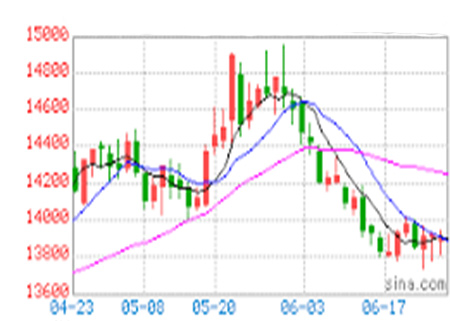
The price range of stainless steel sheets typically fluctuates within a certain range, depending on market factors and domestic and international situations. Price fluctuations in the Chinese stainless steel sheet market are often influenced by the following factors:
Market Supply and Demand: An increase or decrease in market demand directly affects prices. For example, growth in demand from the construction, automotive, and electronics industries usually raises prices, while a decrease in demand may lead to price reductions.
Raw Material Prices: The production of stainless steel sheets requires a significant amount of raw materials, including iron ore, nickel, chromium, and others. Therefore, fluctuations in international raw material prices can affect stainless steel sheet prices.
Policy Changes: Policy adjustments in the steel industry and upgrades in environmental requirements can impact stainless steel sheet prices. Government policy direction can result in price fluctuations.
International Market Factors: China’s stainless steel sheet exports hold a significant place in global markets, so international market demand and price fluctuations also affect the Chinese market.
6. Conclusion
The Complexity of Stainless Steel Sheet Prices
The complexity of stainless steel sheet prices lies in the interplay of multiple factors, often interacting with each other. Accurately predicting the price range of stainless steel sheets requires comprehensive analysis, including market trends, policy changes, raw material prices, and international market influences.
Hopes and Challenges for the Future
As China’s economy continues to grow, and the steel industry undergoes continuous upgrades, the stainless steel sheet market will face opportunities and challenges. Government environmental policies will drive the industry toward more sustainable development, while fluctuations in market demand remain a challenge.
In the future, the Chinese stainless steel sheet industry is expected to achieve more stable and sustainable development under government guidance, providing high-quality materials for various industries and making positive contributions to the international market.
The above discussion provides an in-depth exploration of the price range of stainless steel sheet inventory, aiming to offer readers a deeper understanding of this crucial topic. The extensive applications and market position of stainless steel sheets in China will continue to be a focus, and we look forward to future developments.