

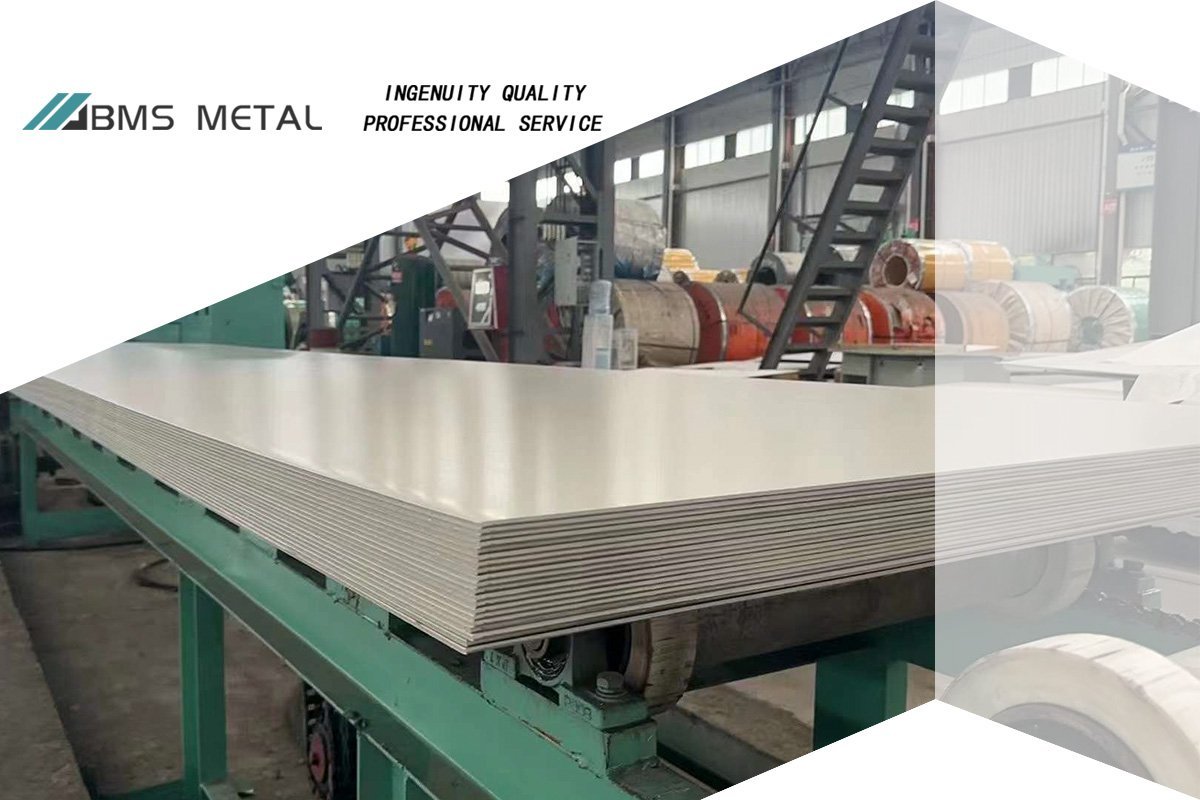
Definition and Uses of Stainless Steel Sheets
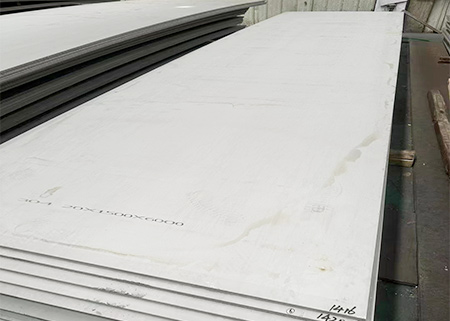
Definition of Stainless Steel Sheets
Stainless steel sheets are flat plates made from stainless steel materials known for their corrosion resistance and oxidation resistance. They are typically provided in rectangular shapes with varying thicknesses and dimensions.
Uses of Stainless Steel Sheets
Stainless steel sheets find widespread applications in various fields, including but not limited to:
Construction Industry: Used for manufacturing building structures, columns, and decorative materials.
Chemical Industry: Utilized in the production of chemical equipment, storage tanks, and pipelines.
Food Processing Industry: Employed for food processing equipment, kitchenware, and food packaging.
Automotive Manufacturing: Used for car body shells, exhaust systems, and automotive components.
Manufacturing Process of Stainless Steel Sheets
The manufacturing process of stainless steel sheets typically involves several key steps that determine the final product’s quality and performance.
Selection of Stainless Steel Materials
In the manufacturing process of stainless steel sheets, the first step is to prepare the raw materials. The choice of stainless steel materials is crucial for the quality and performance of stainless steel sheets. According to national standards, stainless steel materials should meet specific chemical composition and performance parameters, such as corrosion resistance, tensile strength, and hardness.
Material Cutting and Processing
During the raw material preparation phase, stainless steel materials undergo cutting and processing to meet various specifications and dimensions. Cutting and processing procedures should conform to national standards to ensure the flatness of cut surfaces and dimensional accuracy.

Melting Stainless Steel Alloys
Melting is a critical step in the manufacturing process of stainless steel sheets. During melting, the metal components in the raw materials are melted and mixed to form stainless steel alloys. According to national standards, the melting process should control the alloy’s chemical composition and melting temperature to ensure the quality and performance of stainless steel sheets.
Casting into Blanks
The melted stainless steel alloy is cast into blanks in this step. Casting processes should adhere to national standards to ensure the dimensional accuracy and surface quality of blanks. According to national standards, the casting process should control the mold temperature and cooling rate to ensure the quality and performance of stainless steel sheets.
Hot Rolling and Cold Rolling
Selection and Operation of Heating Furnaces
In the hot rolling process, the heated blanks undergo plastic deformation and compression to form stainless steel sheets. The selection and operation of heating furnaces are crucial for the success of the hot rolling process. According to national standards, heating furnaces should have appropriate temperature ranges and heating rate controls to ensure the quality and performance of stainless steel sheets.
Preprocessing Procedures
Before heating, some preprocessing procedures are necessary to ensure the cleanliness of the stainless steel sheets’ surfaces and the quality of blanks. Preprocessing procedures include rust removal, degreasing, and surface cleaning, among others. According to national standards, preprocessing procedures should meet specific cleanliness and surface quality standards.
Hot Rolling Process

Selection and Adjustment of Hot Rolling Mills
In the hot rolling process, heated stainless steel blanks undergo plastic deformation and compression using hot rolling mills. The selection and adjustment of hot rolling mills are critical for the shaping and performance of stainless steel sheets. According to national standards, hot rolling mills should have appropriate roll sizes and rolling force controls to ensure the dimensional accuracy and surface quality of stainless steel sheets.
Selection and Adjustment of Cold Rolling Mills
The cold rolling process involves further plastic deformation and compression of hot-rolled stainless steel sheets at room temperature. The selection and adjustment of cold rolling mills are essential for dimensional accuracy and surface quality. According to national standards, cold rolling mills should have appropriate roll sizes and rolling force controls to ensure dimensional accuracy and surface quality.
Control of Cold Rolling Process Parameters
During the cold rolling process, control of various process parameters, such as rolling speed, rolling pressure, and cooling methods, is necessary to ensure the quality and performance of stainless steel sheets. According to national standards, process parameters should meet specific standards and requirements.
Post-Cold Rolling Processing
After cold rolling, stainless steel sheets undergo additional processing steps to improve their surface quality and performance. Post-cold rolling processing includes annealing, acid pickling, and polishing, among others. According to national standards, post-cold rolling processing procedures should meet specific standards and requirements to ensure surface quality and performance.
4 Surface Treatment and Coating
Acid Pickling Process
In the manufacturing process of stainless steel sheets, acid pickling is a commonly used surface treatment method. Acid pickling removes oxidation, rust, and contaminants from the surface of stainless steel sheets, improving surface quality and smoothness. According to national standards, the acid pickling process should select appropriate pickling solutions and pickling times to ensure surface cleanliness and quality.
Polishing Process
Polishing is another common method for surface treatment of stainless steel sheets. Polishing further enhances the surface smoothness and flatness, resulting in a better appearance. According to national standards, the polishing process should select appropriate polishing agents and parameters to ensure surface quality and smoothness.
Coating and Protection
To enhance the corrosion resistance and lifespan of stainless steel sheets, coatings and protective treatments are often applied. Coatings form a protective layer that prevents stainless steel sheets from contacting the external environment, reducing corrosion and oxidation. According to national standards, coating selection and coating processes should meet specific standards and requirements to ensure corrosion resistance and appearance quality of stainless steel sheets.
Quality Control in the Manufacturing Process of Stainless Steel Sheets
Material Inspection and Quality Control
During the manufacturing of stainless steel sheets, material inspection and quality control are essential to ensure the raw material’s quality and performance comply with national standards. Material inspection includes chemical composition analysis, mechanical property testing, and metallographic structure observation, among others. Quality control includes the selection and procurement of raw materials, material labeling, and traceability, among others.
Control of Process Parameters
Throughout the manufacturing process of stainless steel sheets, the control of various process parameters is critical for product quality and performance. Process parameters include heating temperature, rolling pressure, cooling rate, among others. According to national standards, process parameters should meet specific standards and requirements to ensure the quality and performance of stainless steel sheets.
Inspection of Surface Quality and Coating
Finally, the manufacturing process of stainless steel sheets requires inspection of surface quality and coating to ensure the product’s appearance quality and corrosion resistance. Surface quality inspection includes visual inspection, gloss measurement, and flatness measurement