


Introduction

The installation demand for stainless steel pipes in residential plumbing systems is increasingly common, and its significance is gradually becoming more prominent. The correct installation of 304 and 316L stainless steel pipes can fully leverage their advantages, such as corrosion resistance, long lifespan, and safety and hygiene. This article will provide a detailed description of the characteristics of 304 and 316L stainless steel, introduce the preparatory work and materials required before installation, offer a step-by-step installation guide, and emphasize the correlation between corrosion resistance and hygiene safety. Additionally, through case studies, we will showcase the successful installation of stainless steel pipes and improvements to residential plumbing systems. Finally, we will summarize the key points of the article and encourage readers to consider using these materials to enhance their plumbing systems, highlighting the importance of proper installation.
Characteristics of Stainless Steel 304 and 316L
Stainless steel 304 and 316L are commonly used stainless steel materials with numerous outstanding characteristics. Firstly, they exhibit excellent corrosion resistance, capable of withstanding the corrosion of various chemical substances, including acids and alkalis. Secondly, stainless steel pipes possess high strength, enabling them to withstand significant pressure and impact, ensuring the stability and safety of the plumbing system. Furthermore, stainless steel 304 and 316L materials conform to hygiene safety standards, preventing water contamination and bacterial growth, safeguarding the health and safety of users.
Preparatory Work and Materials
Before installing stainless steel pipes, several preparatory steps are necessary. Firstly, you need to prepare the following tools and materials: cutting tools, welding equipment, pipe supports, and sealing materials, among others. Cutting tools may include pipe cutters and steel saws, ensuring precise cutting of stainless steel pipes to maintain accuracy in pipe length and angles. Welding equipment can consist of TIG welders or MIG welders, used for welding stainless steel pipes to ensure their robustness and sealing. Pipe supports, such as hangers and clamps, are crucial for stabilizing and securing stainless steel pipes, ensuring their stability and safety. Sealing materials, like high-temperature and corrosion-resistant sealants and gaskets, are used for sealing pipe connections, ensuring their tightness and durability.
Selecting high-quality stainless steel pipes is equally important. You can choose between 304 and 316L stainless steel pipes, both of which offer exceptional corrosion resistance and strength. Ensure the selected stainless steel pipes are pure in material, have smooth surfaces, and lack defects. Opt for certified suppliers or manufacturers to ensure that the purchased stainless steel pipes comply with relevant standards and quality requirements. For example, selecting suppliers with ISO 9001 certification guarantees that the purchased stainless steel pipes adhere to international quality management standards.
Additionally, choosing the appropriate pipe size and connection method based on your specific needs and plumbing system layout is crucial. Selecting the right pipe size ensures that the flow and pressure in the plumbing system meet design requirements. For instance, if you need to install a cold water pipe system, you can choose stainless steel pipes of suitable sizes, such as 1/2 inch or 3/4 inch. Likewise, choosing the appropriate connection method, whether welding or threaded connections, ensures secure and sealed connections. For larger diameter pipes, welding connections may be preferred, while threaded connections can be suitable for smaller diameter pipes.
By preparing the necessary tools and materials, selecting high-quality stainless steel pipes, and choosing the appropriate pipe size and connection method based on your specific needs, you can ensure that the advantages of stainless steel pipes are fully realized during installation. For example, using cutting tools and welding equipment ensures precise cutting and secure welding of pipes, while using pipe supports ensures stable pipe support, and using high-temperature and corrosion-resistant sealing materials ensures the sealing and durability of pipe connections. Choosing high-quality stainless steel pipes and suitable pipe sizes and connection methods guarantees the durability and safety of the plumbing system.
Step-by-Step Installation Guide
The installation of stainless steel pipes is a complex process that requires specific steps to be followed. Below is a comprehensive installation guide to ensure the correct installation and operation of the plumbing system:
Planning and Preparation:
Before commencing installation, planning and preparation are essential. Determine the layout and path of the pipes, taking into account pipe length, angles, and connection points. Prepare the pipes for cutting and connection using the appropriate tools and equipment as needed.
Installation of Pipe Supports:
Based on the layout and support requirements, install pipe supports. Ensure that the positioning and spacing of supports comply with specifications and provide adequate support and stability. Use appropriate fastening devices, such as bolts and nuts, to secure the supports to walls or the ground.
Welding and Connection of Pipes:
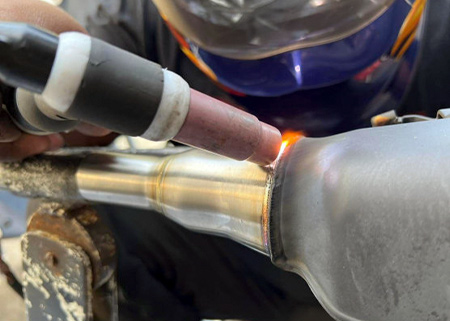
Depending on the layout and connection requirements, carry out the welding and connection of pipes. Use suitable welding methods and materials to ensure the strength and sealing of welded joints. Prior to welding, ensure the pipe surfaces are clean and employ appropriate welding protective measures to prevent oxidation and contamination.
Sealing of Pipes:
After completing welding and connections, seal the pipes. Use suitable sealing materials, such as sealants and gaskets, at pipe junctions to prevent leaks and seepage. Ensure the quality and suitability of sealing materials to maintain the integrity and safety of the plumbing system.
Testing and Debugging of Pipes:
After installation is completed, carry out testing and debugging of the pipes. Utilize appropriate testing equipment and methods to check parameters such as pressure, flow, and temperature within the plumbing system. Ensure that the plumbing system operates smoothly and meets design and safety standards.
Maintenance and Care of Pipes:
After installation, regular maintenance and care of the pipes are crucial. Clean the pipe surfaces, conduct periodic inspections of pipe connections and supports for stability, and promptly repair or replace damaged components. Regularly inspect and maintain the plumbing system to ensure its long-term stability.
In conclusion, the installation of stainless steel pipes involves multiple steps, including planning and preparation, pipe support installation, welding and connection of pipes, sealing, testing and debugging, as well as maintenance and care. Proper installation procedures and maintenance measures ensure the stability, safety, and reliability of the plumbing system, providing high-quality plumbing services to users.

Correlation between Corrosion Resistance and Hygiene Safety
The stainless steel pipes of materials 304 and 316L possess outstanding corrosion resistance, determined by their unique chemical composition and structure. Stainless steel contains a minimum of 10.5% chromium, forming a dense chromium oxide layer known as a passivation layer. This passivation layer effectively prevents further corrosion of stainless steel surfaces by oxygen and water, protecting pipes from corrosion.
In residential plumbing systems, the corrosion resistance of stainless steel pipes is of paramount importance. Since water may contain various chemical substances such as chlorine, sulfides, acids, and alkalis, these substances can corrode pipe materials. However, stainless steel pipes of materials 304 and 316L can resist the corrosion caused by these chemical substances, maintaining the integrity and stability of the pipes. This means that stainless steel pipes can be used for an extended period without being affected by corrosion, thereby extending the service life of the pipes.
In addition to corrosion resistance, stainless steel pipes of materials 304 and 316L also exhibit characteristics related to hygiene safety. Stainless steel materials have smooth surfaces and non-porous structures, preventing bacteria and contaminants from adhering and proliferating. In contrast, pipes made of other materials may have pores and indentations that are
conducive to bacterial growth and contamination, posing potential threats to water quality and human health. The smooth surface and non-porous structure of stainless steel pipes effectively prevent bacterial growth, ensuring the safety and hygiene of water quality.
Therefore, choosing stainless steel pipes of materials 304 and 316L can effectively enhance the corrosion resistance and hygiene safety of plumbing systems. These characteristics make stainless steel pipes an ideal choice for residential plumbing systems. Whether for supply pipes, drainage pipes, or other applications, stainless steel pipes offer corrosion resistance, high strength, and hygiene safety, ensuring the stability of plumbing systems and the health and safety of users.
Case Study
In a residential community in Jiangsu, China, during a plumbing system upgrade, due to budget constraints, they opted for inexpensive non-stainless steel pipes. Initially, these pipes appeared to function normally, and residents were satisfied with the installation. However, problems began to emerge over time.
Firstly, these non-stainless steel pipes exhibited poor corrosion resistance and were unable to withstand the corrosion of chemical substances in the water. Before long, the pipes started experiencing corrosion and leaks, leading to water quality contamination. Residents began noticing deteriorating water quality and experiencing health issues related to water. This posed a serious hazard to the community’s hygiene safety, and residents’ concerns about water quality grew.
Due to frequent occurrences of pipe corrosion and leaks, the community had to engage in frequent repairs and replacements. This significantly increased maintenance costs for the community, and residents’ lives were disrupted due to water outages, leaks, and maintenance work.
The community realized that they had made a mistake in choosing pipe materials and regretted not selecting stainless steel pipes. They recognized that, while stainless steel pipes might have a higher initial cost, their corrosion resistance and hygiene safety far exceeded those of cheap non-stainless steel materials. They realized that opting for low-quality pipe materials would only bring more trouble and expenses.
This real-life case illustrates that choosing inexpensive non-stainless steel pipe materials can lead to serious problems. Issues such as corrosion, leaks, and water quality contamination can cause inconvenience to residents, and the high cost of frequent maintenance and replacements can burden the community. Therefore, when selecting pipe materials, it is essential to recognize the advantages of stainless steel pipes and avoid choosing low-quality non-stainless steel materials.
Conclusion
This article has provided a detailed description of the characteristics of stainless steel 304 and 316L pipes, along with installation guidelines and a case study. The demand for stainless steel pipes in residential plumbing systems is growing due to their advantages, including corrosion resistance, long lifespan, and safety and hygiene. Before installation, preparatory work such as selecting the right tools and materials is crucial, and the quality and size of pipes must meet requirements. The installation process should follow specific steps to ensure the plumbing system’s durability and safety. Through a case study, we have seen that selecting low-quality pipe materials can lead to significant issues, while choosing and installing stainless steel pipes correctly can bring economic benefits. Therefore, we encourage readers to consider using stainless steel 304 and 316L pipes to improve their plumbing systems, emphasizing the importance of proper installation.