

Introduction

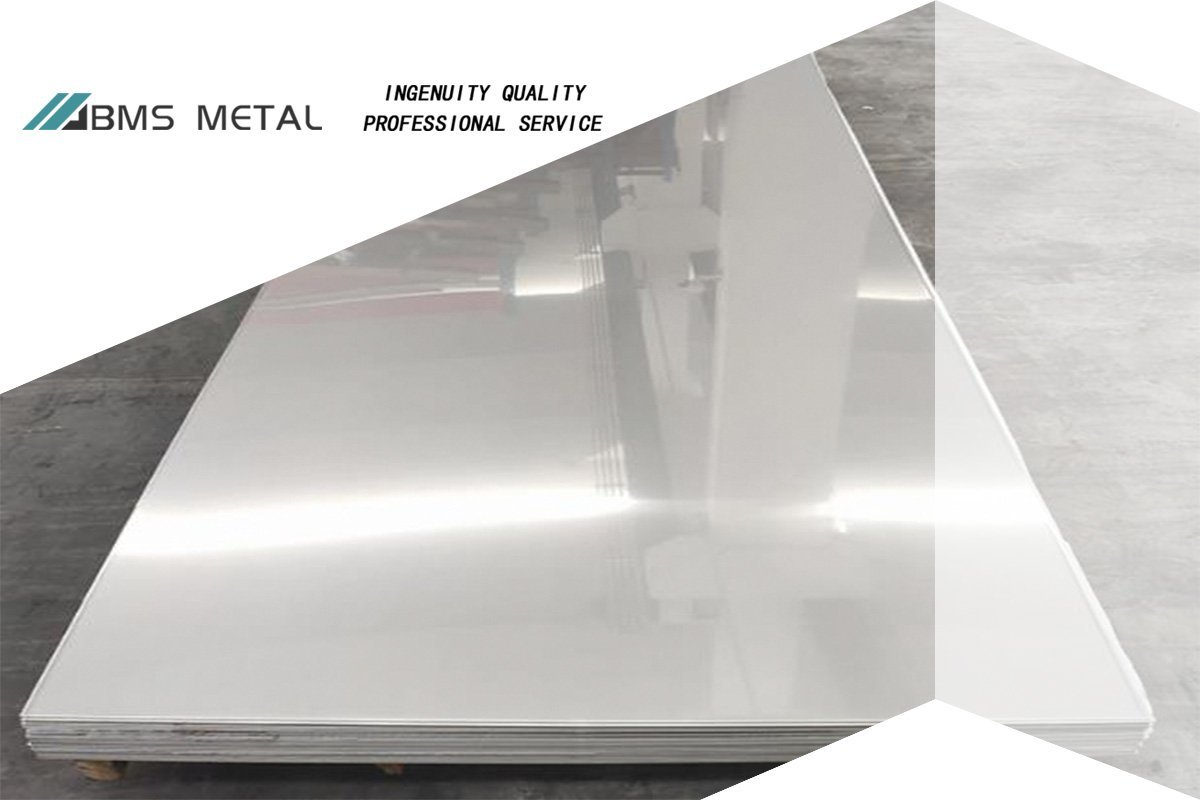
Stainless steel is a widely used material in various fields such as construction, food processing, and medical equipment, known for its exceptional corrosion resistance and mechanical strength. However, to maintain the cleanliness and aesthetics of stainless steel surfaces, proper cleaning and maintenance are essential. This article delves into the effective treatment of stainless steel surfaces to meet national standards and industry requirements.
Common Stains on Stainless Steel Surfaces
Fingerprints
In high-touch areas, stainless steel surfaces are often affected by fingerprints. These fingerprints not only affect aesthetics but may also lead to corrosion. It is recommended to use a non-abrasive fiber cloth and follow the guidelines of national standard GB/T 20878-2007 for cleaning.
Oil Stains
In the food processing and cooking industry, stainless steel surfaces are prone to oil stains. According to national standards, it is necessary to use specialized food-grade cleaners and hot water for cleaning.
Dirt and Dust
Stainless steel surfaces in industrial environments may be contaminated with dust and impurities. According to national standards, the surface should be first cleared of dust, followed by cleaning with an appropriate cleaner.
Water Spots
Minerals in hard water can leave white spots on stainless steel surfaces. According to the guidelines of national standard GB/T 8170-2008, using suitable chelating agents and soft water to remove water spots is recommended.
Rust
Although stainless steel has anti-rust properties, it may still rust under specific circumstances. According to national standard GB/T 10026-2019, rust stains should be promptly removed, followed by preventive measures to prevent further rusting.
Steps to Clean Stainless Steel Surfaces
Determine Stainless Steel Type and Quality
Before cleaning stainless steel surfaces, it is essential to determine the type and quality of stainless steel, as different types have different characteristics and corrosion resistance. According to national standards, stainless steel is typically divided into several grades, such as 304, 316, 430, and so on. This information can be found on the material’s labeling or certification. Ensuring an understanding of the type of stainless steel aids in selecting the correct cleaning methods to prevent surface damage.
Gather Cleaning Tools and Materials
According to national standards and best practices, collecting the appropriate cleaning tools and materials is crucial for effectively cleaning stainless steel surfaces. These tools may include non-abrasive fiber cloths or sponges, high-quality cleaners, warm water, and cleaning brushes for stubborn stains or rust spots.
Methods for Removing Different Types of Stains
Different types of stains require different cleaning methods, as recommended by national standards:
For fingerprints and oil stains, use a non-abrasive fiber cloth dipped in a small amount of cleaner, gently wipe, and then rinse with clean water.
For dirt and dust, start by rinsing the surface with clean water, then use a mild cleaner, and finally, wipe dry with a clean cloth.
For water spots, follow the guidelines of national standards and use chelating agents as recommended.
For rust, follow the guidance of national standards to remove rust stains and take measures to prevent further rusting.
Use Appropriate Cleaners
The choice of cleaners suitable for stainless steel is crucial. Ensure that the cleaner complies with national standards to ensure safe and effective cleaning. Cleaners containing chlorine or acidic components should not be used, as they may corrode stainless steel.
Dry Thoroughly and Prevent Fingerprints and Stains
After cleaning, be sure to thoroughly dry the stainless steel surface to prevent water spots and fingerprints. Additionally, specialized stainless steel care products can be used to reduce the visibility of fingerprints and stains.
Regular Maintenance
Finally, adhere to national standards and established maintenance plans for regular upkeep of stainless steel surfaces. This helps extend the lifespan of stainless steel and maintains its appearance.
Practical Advice and Precautions
Choose Suitable Cleaners and Tools for Stainless Steel
The choice of cleaners is essential for the appearance and corrosion resistance of stainless steel. According to national standards, neutral cleaners should be selected to ensure that the stainless steel surface is not damaged. These cleaners typically do not contain chlorine or acidic components, which could corrode stainless steel. Additionally, non-abrasive fiber cloths or sponges should be used as the preferred tools to avoid scratching the stainless steel surface. Using warm water is also the preferred method for gently cleaning stainless steel, as excessively high or low temperatures may affect cleaning effectiveness.

Avoid Using Abrasive Materials or Wire Brushes
National standards explicitly recommend avoidig the use of abrasive materials or wire brushes to clean stainless steel surfaces. These tools may scratch stainless steel, damaging its appearance. Instead, non-abrasive fiber cloths or sponges should be used to gently wipe the surface, ensuring the maintenance of its cleanliness and corrosion resistance.
Regular Inspection and Repair of Potential Issues
Regularly inspecting stainless steel surfaces for potential issues is an important step in maintenance. According to national standards, you should check for signs of rust, damage, or corrosion. If any issues are identified, immediate action should be taken to repair or replace the affected areas to prevent further problems. This regular inspection can extend the lifespan of stainless steel and ensure its aesthetics and performance during long-term use.
Emphasizing the Importance of Maintenance
Maintaining stainless steel surfaces not only helps preserve their appearance but also extends their lifespan. Stainless steel is often used in environments with high hygiene requirements, such as food processing plants, medical facilities, and the aviation industry. Therefore, maintaining stainless steel surfaces is crucial for ensuring hygiene and safety. Additionally, a pleasing appearance plays a significant role in commercial environments as it creates a clean and professional image.
Conclusion
Cleaning and maintaining stainless steel plate surfaces are essential to ensure their long-term aesthetics and performance. Here’s a concise summary to help you remember key points:
Choose appropriate cleaners and tools: National standards require the selection of neutral cleaners, avoiding the use of abrasive materials or wire brushes. Use non-abrasive fiber cloths or sponges to gently wipe the surface to prevent scratching stainless steel.
Regularly inspect and repair issues: Regularly inspect stainless steel surfaces for rust, damage, or corrosion signs. If issues are found, take immediate action to repair or replace affected areas.
Avoid chlorine or acidic cleaners: National standards explicitly recommend avoiding cleaners containing chlorine or acidic components to prevent corrosion of stainless steel.
Dry thoroughly and prevent fingerprints and stains: After cleaning, ensure the stainless steel surface is thoroughly dry to prevent water spots and fingerprints. Specialized stainless steel care products can reduce the visibility of fingerprints and stains.
Regular maintenance: Establish a maintenance plan, including deep cleaning, polishing, and checking for damaged parts, to ensure that stainless steel surfaces maintain their cleanliness and corrosion resistance.
By following these recommendations, you can ensure that stainless steel maintains its excellent appearance and performance within its design lifespan.