

Introduction
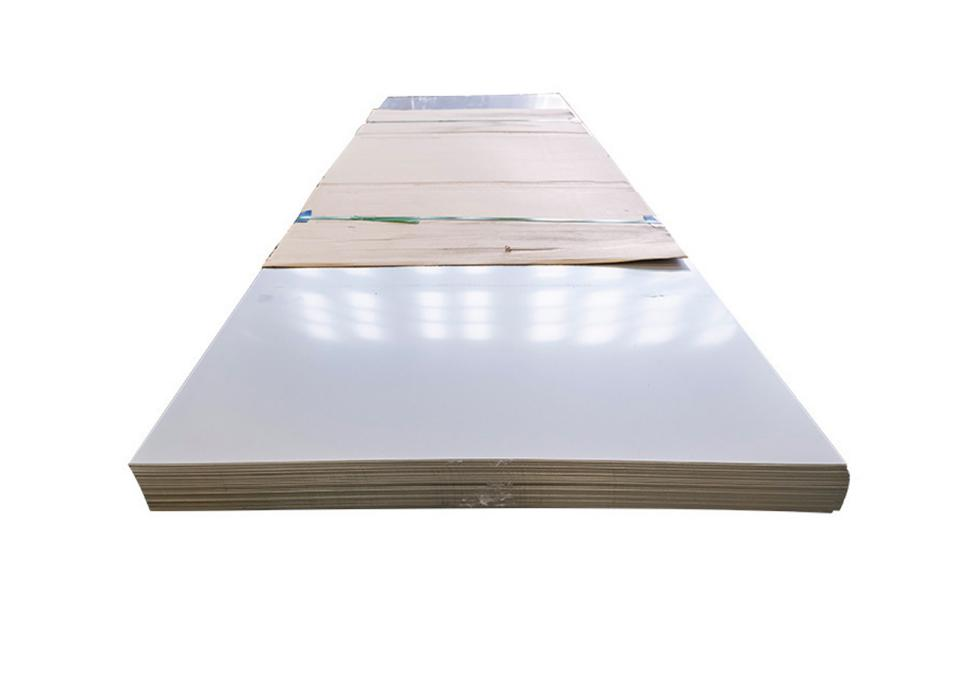
When it comes to selecting the perfect stainless steel sheet for your project, there are several important factors to consider. Stainless steel sheets are widely used in various industries due to their durability, corrosion resistance, and aesthetic appeal. However, with a wide range of grades, finishes, and characteristics available, choosing the right stainless steel sheet can be a daunting task. In this article, we will guide you through the process of selecting the ideal stainless steel sheet for your project, taking into account considerations such as grade selection, surface finish, thickness, and intended use.
Understand the Stainless Steel Grades
Stainless steel comes in different grades, each with unique properties and applications. The grade selection depends on factors like corrosion resistance, strength, and cost. Common grades include 304, 316, 430, and 201. Grade 304 is the most versatile and widely used, offering excellent corrosion resistance and suitable for general applications. Grade 316 is highly corrosion-resistant and well-suited for marine or harsh environments. Grade 430 is less expensive but provides moderate corrosion resistance, making it suitable for indoor applications. Grade 201 is budget-friendly but not as corrosion-resistant as other grades. Understanding the grades will help you choose the appropriate stainless steel sheet for your specific project requirements.
Consider Surface Finish
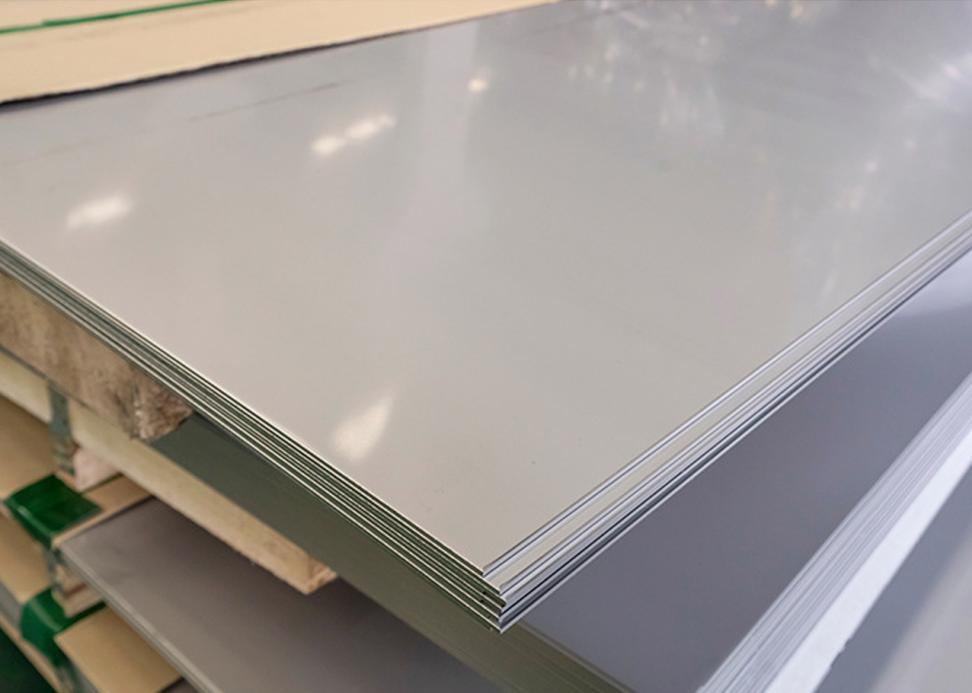
The surface finish of a stainless steel sheet affects both aesthetics and functionality. Different finishes result from various processing techniques, each serving a specific purpose. Common finishes include 2B, brushed, satin, mirror, and textured. The 2B finish is smooth and commonly used for most applications. Brushed and satin finishes offer a textured appearance, making them suitable for architectural and decorative purposes. Mirror finishes provide a highly reflective surface, ideal for applications requiring a brilliant, reflective appearance. Textured finishes offer unique patterns and are often used in areas where aesthetic appeal is important. Consider the desired appearance, maintenance requirements, and the environment in which the sheet will be used when selecting the surface finish.
Determine the Required Thickness
The thickness of the stainless steel sheet is essential and should be chosen based on the specific application and structural requirements. Thinner sheets are lighter, easier to form, and suitable for applications where weight is a concern. Thicker sheets offer more strength and durability, making them ideal for structural components and heavy-duty applications. Consider factors like load-bearing capacity, structural integrity, and intended use when determining the required thickness.
Evaluate Corrosion Resistance
When it comes to selecting materials for a project, evaluating the corrosion resistance of different options is crucial to ensure long-term durability and cost-effectiveness. Corrosion can lead to structural degradation, reduced performance, and the need for frequent repairs or replacements. Here is a comprehensive guide to evaluating corrosion resistance in materials.
Understand Corrosion Types:
Familiarize yourself with the different types of corrosion that can occur. This includes general corrosion, pitting corrosion, crevice corrosion, galvanic corrosion, and stress corrosion cracking. Each type has distinct characteristics and is influenced by different factors such as environment, temperature, and exposure to chemicals. By understanding the specific corrosion risks associated with your project’s conditions, you can better evaluate material options.
Material Selection:
Different materials offer varying levels of corrosion resistance. For example, stainless steel is renowned for its excellent corrosion resistance due to the presence of chromium, which forms a protective oxide layer. However, within the stainless steel family, various grades provide different levels of resistance. Research the corrosion resistance properties of materials, such as stainless steel, aluminum, carbon steel, and alloys, and choose the one that best suits your project’s environmental and operational requirements.
Consider the Environmental Factors:
Assess the environmental conditions to which the material will be exposed. Factors like moisture, humidity, temperature fluctuations, chemical exposure, and saltwater proximity can significantly impact the corrosion resistance required. For instance, marine environments demand materials with high resistance to saltwater corrosion. Evaluate the severity and aggressiveness of the environment to determine the appropriate corrosion resistance level.
Consider Cost versus Corrosion Resistance:
Balancing the desired level of corrosion resistance with the project’s budget is crucial. Materials with higher corrosion resistance properties, such as specialty alloys, may come at a higher cost. Evaluate the trade-offs and consider the project’s lifespan, maintenance expenses, and potential cost implications of corrosion-related issues. Investing in materials with superior corrosion resistance may yield long-term cost savings by reducing repair and replacement needs.
By systematically evaluating corrosion resistance based on corrosion types, material selection, environmental factors, data analysis, and testing, you can make informed decisions to ensure the longevity and reliability of your project. Take advantage of available resources, industry expertise, and laboratory tests to verify the material’s performance. Remember to strike a balance between the desired corrosion resistance and the project’s budget to achieve a cost-effective solution with superior durability.
Assess Cost and Budget
When choosing a stainless steel sheet for your project, it is important to carefully assess the cost and stay within your budget. The cost of stainless steel sheets can vary depending on factors such as grade, finish, thickness, and supplier. Here are some important considerations to help you make an informed decision while balancing quality and cost-effectiveness.
Grade Selection:
Different stainless steel grades come with varying price points. Higher-grade stainless steel sheets, such as 316, generally cost more due to their enhanced corrosion resistance and superior quality. However, if your project does not require extensive corrosion resistance, you may opt for a lower-grade stainless steel sheet like 304 or 430, which could offer cost savings without compromising performance.
Finish Options:
Surface finishes can also impact the cost. Mirror finishes are often more expensive due to the additional polishing required to achieve a highly reflective surface. Brushed or textured finishes may be more cost-effective alternatives while still providing a visually appealing look. Consider your project’s aesthetic requirements and evaluate the cost implications of different finishes.
Thickness Considerations:
Thicker stainless steel sheets usually come at a higher cost as they require more material. Carefully evaluate the structural requirements of your project and determine if a thinner gauge sheet could suffice without sacrificing performance. For certain applications where weight is a concern, opting for a thinner sheet may help reduce costs.
Conclusion
Choosing the right stainless steel sheet for your project involves careful consideration of factors such as grade selection, surface finish, thickness, corrosion resistance, and budget constraints. By understanding the specific requirements of your project and consulting with experts, you can make an informed decision that ensures the optimal performance and longevity of your stainless steel sheets. Remember to balance functionality and cost-effectiveness to achieve the best outcome for your project. With the right stainless steel sheet, you can enhance the durability, aesthetics, and overall success of your project with ease.