

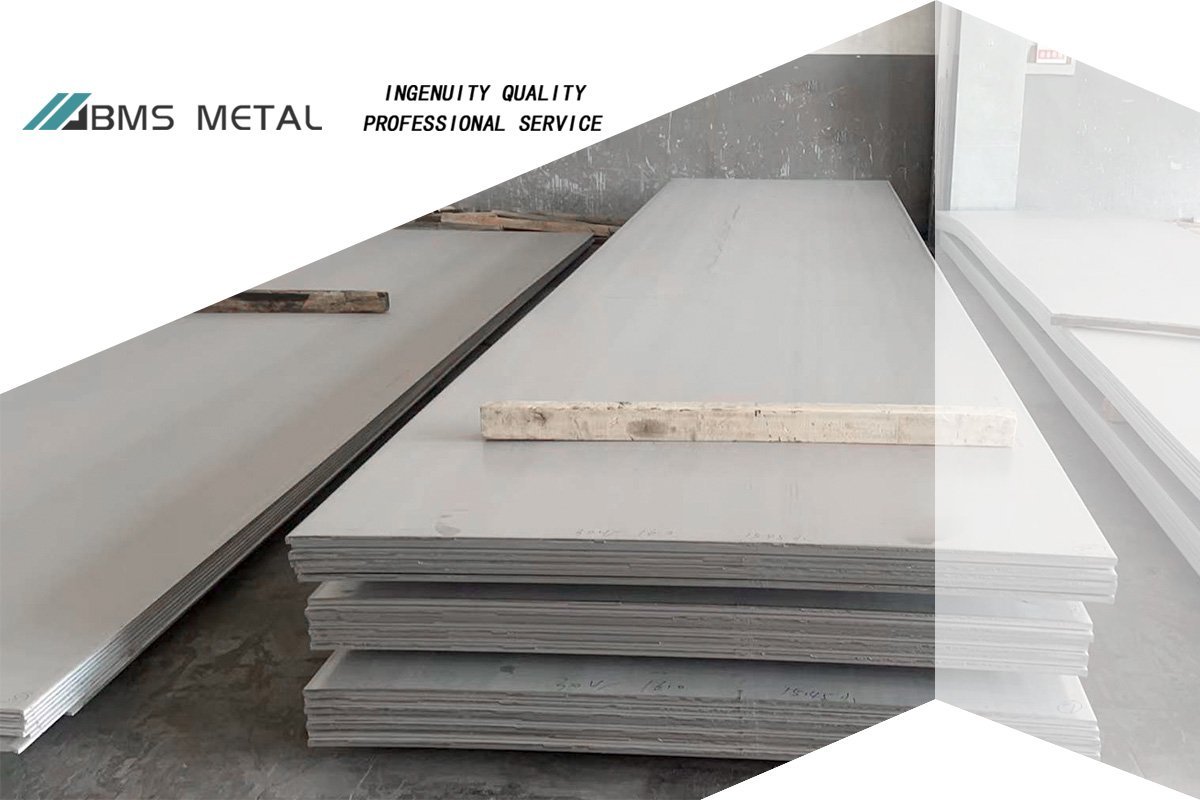
Stainless steel comes in various grades, each tailored to specific applications and environments. Here are some of the most common grades of stainless steel used in sheet metal:
304 Stainless Steel
- Composition: Contains approximately 18% chromium and 8% nickel.
- Properties: 304 stainless steel is the most widely used stainless steel grade, known for its excellent corrosion resistance, formability, and weldability. It is non-magnetic and offers good oxidation resistance up to 870°C (1,598°F).
- Applications: Commonly used in kitchen equipment, food processing, chemical containers, and architectural applications.
316 Stainless Steel
- Composition: Contains 16-18% chromium, 10-14% nickel, and 2-3% molybdenum.
- Properties: 316 stainless steel is known for its enhanced corrosion resistance, especially against chlorides and other industrial solvents. The addition of molybdenum improves its resistance to pitting and crevice corrosion.
- Applications: Used in marine environments, chemical processing, medical devices, and food preparation areas where salt exposure is a concern.
3. 430 Stainless Steel
- Composition: Contains 16-18% chromium, with little or no nickel.
- Properties: 430 stainless steel is a ferritic, magnetic grade known for its good corrosion resistance in mildly corrosive environments. It is less resistant to corrosion than 304 or 316 but is more affordable.
- Applications: Commonly used in automotive trim, kitchen appliances, and decorative applications where corrosion resistance is not as critical.
201 Stainless Steel
- Composition: Contains 16-18% chromium, 3.5-5.5% nickel, and 5.5-7.5% manganese.
- Properties: 201 stainless steel is a low-nickel alternative to 304, offering similar mechanical properties but with reduced corrosion resistance. It is more affordable due to the substitution of manganese for some of the nickel content.
- Applications: Used in kitchen utensils, sinks, and other applications where cost is a significant factor, and exposure to harsh environments is minimal.
409 Stainless Steel
- Composition: Contains 10.5-11.75% chromium, with trace amounts of nickel and carbon.
- Properties: 409 stainless steel is a ferritic grade known for its good oxidation resistance and excellent formability. It is less resistant to corrosion than 304 but is more affordable and is often used where corrosion resistance is not the primary concern.
- Applications: Commonly used in automotive exhaust systems, agricultural equipment, and other applications where temperature resistance is important.
420 Stainless Steel
- Composition: Contains 12-14% chromium, with higher carbon content (0.15-0.4%).
- Properties: 420 stainless steel is a martensitic grade known for its high hardness and good corrosion resistance in mild environments. It can be heat-treated to achieve different levels of hardness.
- Applications: Used in cutlery, surgical instruments, and other applications requiring a sharp, durable edge.
321 Stainless Steel
- Composition: Contains 17-19% chromium, 9-12% nickel, and titanium.
- Properties: 321 stainless steel is stabilized by the addition of titanium, which prevents carbide precipitation during welding, making it ideal for high-temperature environments.
- Applications: Used in aerospace, chemical processing, and high-temperature applications where material stability is critical.
904L Stainless Steel
- Composition: Contains 19-23% chromium, 23-28% nickel, and 4-5% molybdenum, with added copper.
- Properties: 904L stainless steel offers excellent corrosion resistance in both oxidizing and reducing environments, particularly against sulfuric and phosphoric acids. It also has good weldability and formability.
- Applications: Used in chemical processing, seawater handling, and applications requiring high resistance to aggressive environments.