

Introduction
Stainless steel sheets are versatile materials widely used in various industries, such as construction, automotive, and manufacturing. Understanding the different thickness options available is crucial for selecting the appropriate sheet for specific applications. In this article, we will delve into the world of stainless steel sheet thickness, exploring measurement systems, common thicknesses, factors influencing thickness selection, practical considerations, and real-world examples. By the end, you will have a comprehensive understanding of how thickness impacts the functionality and suitability of stainless steel sheets.
Overview of Stainless Steel Sheets
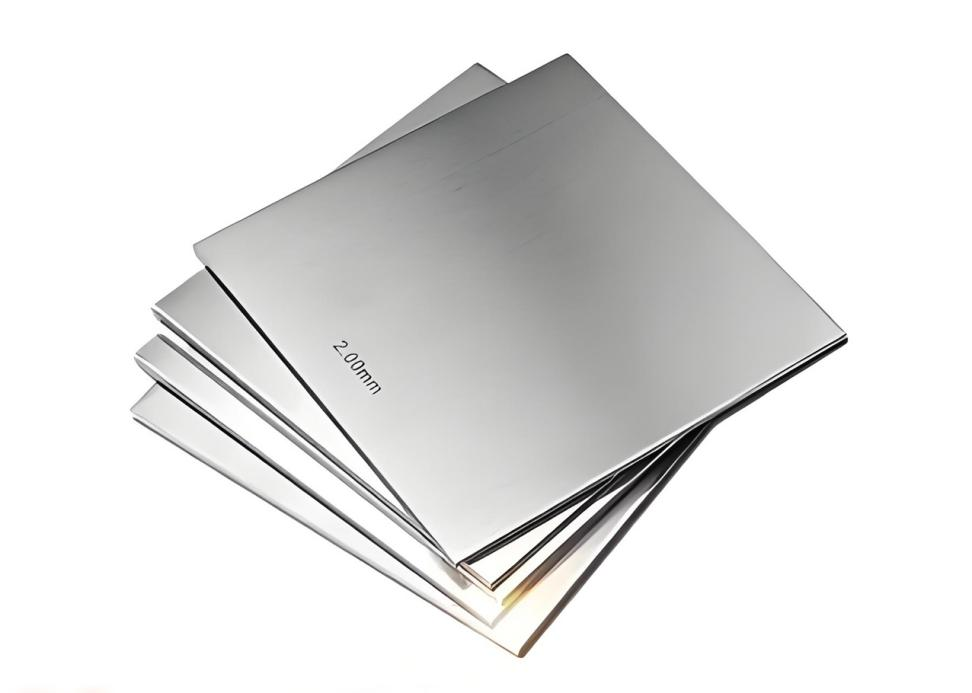
Stainless steel is a corrosion-resistant alloy with excellent strength and durability properties. Stainless steel sheets are flat, thin plates made from this alloy, and they come in a range of thicknesses to accommodate different requirements. These sheets are used in numerous applications, including kitchen appliances, architectural structures, medical equipment, and more. While stainless steel sheets are highly versatile, it’s essential to choose the right thickness to ensure optimal performance.
Measurement Systems for Stainless Steel Sheet Thickness
Stainless steel sheets are manufactured in various thicknesses, and the measurement of their thickness is determined by two primary systems: the gauge system and millimeters. These systems provide different ways of quantifying and comparing the thickness of stainless steel sheets.

Gauge System
Originating in the United States, the gauge system assigns a numerical value to represent the thickness of a stainless steel sheet. Interestingly, the gauge number operates on an inverse relationship with the sheet thickness. In other words, smaller gauge numbers indicate thicker sheets, while larger gauge numbers indicate thinner sheets. For instance, a 14-gauge SS sheet is thicker than a 20-gauge sheet. This system is commonly used in the United States and provides a convenient way for manufacturers, suppliers, and consumers to communicate and understand the thickness of stainless steel sheets.
Millimeter System
On the other hand, the millimeter system offers a precise measurement of stainless steel sheet thickness using the metric system. Millimeters are widely used as a standardized unit of measurement internationally, enabling seamless communication and consistency within the industry. Unlike the gauge system, which relies on numeric values, the millimeter system provides a direct and exact measurement of the thickness of stainless steel sheets. This system is particularly beneficial for those accustomed to the metric system and is widely accepted and relied upon worldwide.
To facilitate easy understanding and comparison between the gauge and millimeter systems, conversion tables and formulas are available. These tools enable users to convert between gauge and millimeters, allowing for seamless transitions between the two measurement systems. This is especially useful when working with international suppliers, manufacturers, or customers who may use different systems of measurement. With these conversion resources at hand, stakeholders in the industry can accurately communicate and interpret stainless steel sheet thicknesses, fostering collaboration and consistency on a global scale.
Common Thicknesses in Stainless Steel Sheets
Stainless steel sheets are available in a range of thicknesses depending on the application’s requirements. Let’s explore some common thicknesses and their uses:
Thin Sheets:
Thin stainless steel sheets, such as 22 gauge (0.030″ or 0.76 mm) and 20 gauge (0.036″ or 0.91 mm), are lightweight and flexible. These sheets are often used in decorative purposes, such as interior design, artwork, and delicate fabrication projects.
Medium-Thick Sheets:
Medium-thick stainless steel sheets offer increased durability and are suitable for various applications. Common thicknesses include 18 gauge (0.048″ or 1.22 mm) and 16 gauge (0.060″ or 1.52 mm). These sheets are frequently used for countertops, kitchen appliances, and general fabrication where strength and stability are required.
Thick Sheets:
Thick stainless steel sheets, such as 14 gauge (0.075″ or 1.91 mm) and 12 gauge (0.105″ or 2.67 mm), provide excellent strength and structural integrity. They are used in heavy-duty applications such as structural supports, industrial machinery, marine equipment, and high-stress areas where robustness is crucial.
Factors Influencing Thickness Selection
Several factors influence the selection of stainless steel sheet thickness for a given project. Considerations include:
Project Requirements:
The nature of the project dictates the sheet’s strength, durability, and load-bearing capacity. For example, a structural element requires thicker sheets than decorative panels. Understanding the specific requirements of the project is essential for selecting the appropriate thickness.
Application and Functionality:
The intended application plays a significant role in determining the sheet’s thickness. For example, in the food processing industry, hygiene and corrosion resistance are essential, while in the automotive industry, dent resistance and formability are critical factors. Each application requires a different balance of properties, which often influences the choice of sheet thickness.
Structural Integrity:
The sheet’s ability to withstand stress and support the designated loads is critical for safety and longevity. Thicker sheets provide greater structural integrity and load-bearing capacity. When selecting the thickness, consideration must be given to the expected loads and stresses the material will encounter.
Considerations when Working with Different Thicknesses
When working with different thicknesses of SS sheets, it is important to consider various factors that can impact the fabrication and implementation process. Understanding the unique characteristics and properties of thinner and thicker sheets is crucial to ensure successful outcomes.
Thinner Stainless Steel Sheets
Thinner stainless steel sheets, which are typically measured in smaller gauge numbers or thinner millimeter measurements, offer increased flexibility and malleability. This makes them ideal for creating intricate designs and shapes. Thinner sheets can be easily bent, curved, and manipulated to achieve desired forms. Fabricators often use techniques such as rolling, folding, or welding to shape thinner sheets into complex structures or products.
However, it is essential to be aware of the limitations of thin sheets. Due to their pliability, they may be more prone to buckling or deforming under heavy loads or pressure. To overcome this challenge, additional support or reinforcement may be necessary, such as incorporating structural elements or using thicker frames. Working with thin sheets also requires specialized skills and techniques. Experienced fabricators understand how to handle and manipulate thin sheets without causing damage or compromising structural integrity.
Thicker Stainless Steel Sheets
On the other hand, thicker stainless steel plates/sheets, which are measured in larger gauge numbers or thicker millimeter measurements, present a different set of considerations. These sheets offer increased rigidity and strength, making them suitable for applications where durability and resistance to deformation are important factors. However, their increased stiffness makes cutting and shaping more challenging.
To cut thick stainless steel sheets accurately and efficiently, industrial-grade equipment such as heavy-duty shears, plasma cutters, or laser cutting machines may be necessary. These tools provide the power and precision required to handle thicker materials effectively. Similarly, bending and forming thick sheets may require specialized machinery, such as press brakes or roll forming equipment, to ensure proper shaping while avoiding distortion or damage.
It is crucial to understand the capabilities and limitations of your fabrication tools when working with different thicknesses. Adequate planning and consideration must be given to select the appropriate equipment, techniques, and processes to work with stainless steel sheets of varying thicknesses effectively.
Conclusion
Exploring the thickness of stainless steel sheets is fundamental to selecting the most suitable material for specific applications. The choice of thickness impacts strength, functionality, and structural integrity. By understanding measurement systems, common thicknesses, the factors influencing thickness selection, and practical considerations, you can make informed decisions when working with stainless steel sheets. Whether you are seeking lightweight flexibility or heavy-duty strength, matching the appropriate thickness to your project requirements will ensure optimal performance and durability.