


Introduction
Stainless steel sheets are renowned for their exceptional qualities, one of which is their remarkable heat resistance. In this article, we will dive into the heat-resistant properties of stainless steel sheets, discussing their ability to withstand high temperatures and the various applications where heat resistance is crucial.

Understanding the Composition of Stainless Steel Sheets:
The composition of stainless steel sheets plays a key role in their outstanding properties, particularly their resistance to heat and corrosion. These sheets are primarily composed of iron, chromium, and other alloying elements that work together to create a versatile material with exceptional durability.
Chromium
Chromium is a fundamental component of stainless steel plates/sheets, as it imparts crucial characteristics that contribute to their superior performance. The high chromium content in stainless steel, typically ranging from 10% to 30%, enables the formation of a thin, self-healing layer on the surface of the sheets. This layer, known as chromium oxide, acts as a formidable barrier against oxidation and degradation, even when subjected to extreme heat or corrosive environments.
The chromium oxide layer is a critical feature that distinguishes stainless steel from other materials. It acts as a protective shield, preventing the underlying metal from coming into direct contact with external elements that could cause corrosion or deterioration. This natural oxide layer is highly stable, adheres firmly to the surface of the stainless steel sheet, and continuously reforms and repairs itself when damaged or scratched. As a result, the sheets exhibit excellent resistance to rust, staining, and general corrosion.
Other Composition
In addition to chromium, stainless steel sheets may contain other alloying elements to enhance specific properties. For instance, nickel is commonly added to improve resistance to both corrosion and high-temperature environments. Molybdenum is another element often incorporated to enhance the sheets’ resistance against pitting and crevice corrosion in chloride-rich conditions.
The precise proportions of each element in the stainless steel alloy can vary, giving rise to different grades and varieties of stainless steel sheets. These variations are carefully designed to meet specific application requirements, considering factors like corrosion resistance, strength, formability, and heat resistance.
Temperature Tolerance:
Stainless steel sheets are renowned for their exceptional temperature tolerance, making them a preferred choice in a wide range of industrial applications. These sheets possess the ability to withstand extreme heat environments, as well as endure freezing temperatures. The temperature tolerance of stainless steel sheets primarily depends on their specific grade and alloy composition.
High Heat Resistance:
One of the remarkable properties of stainless steel sheets is their ability to perform admirably in high-temperature environments. The varying grades of stainless steel exhibit different levels of heat resistance, allowing for diverse applications across industries.
Certain stainless steel grades, such as the popular austenitic stainless steel (e.g., Grade 304 and Grade 316), offer outstanding resistance to high temperatures. These grades can withstand heat up to 1000 to 1200 degrees Celsius without experiencing significant structural or mechanical deterioration. Such heat resistance renders them suitable for applications where intense heat is encountered, such as in industrial furnaces, kilns, incinerators, and exhaust systems.
For even more demanding situations, there are specialized stainless steel alloys available. One such example is the heat-resistant stainless steel known as Grade 310. With its elevated levels of chromium and nickel content, Grade 310 can withstand temperatures exceeding 1100 degrees Celsius. This exceptional heat resistance makes it ideal for applications involving extreme heat, including heat treatment processes, thermal processing units, and high-temperature chemical environments.
Low Temperature Applications:
Apart from withstanding high heat, stainless steel sheets also exhibit commendable performance in low-temperature conditions. Certain grades of stainless steel retain their strength and durability even at sub-zero temperatures, making them suitable for applications in cryogenic environments.
For instance, Grade 304L, a low-carbon variant of Grade 304, demonstrates excellent resistance to cryogenic temperatures. This makes it a preferred choice for applications such as storage tanks for liquefied gases, cryogenic transportation vessels, and cold storage facilities.
Flexible Applications:
The impressive temperature tolerance of stainless steel sheets enables their use in diverse fields, including aerospace, automotive, oil and gas, pharmaceuticals, and food processing. In the aerospace industry, stainless steel sheets are employed in the construction of aircraft engines and exhaust systems, where exposure to high temperatures is inevitable. Similarly, the automotive industry relies on stainless steel sheets for components subjected to extreme heat, such as exhaust systems and catalytic converters.
The oil and gas sector utilizes SS sheets for their resistance to both high temperatures and corrosive environments. These sheets find applications in pipelines, heat exchangers, and refinery equipment, contributing to the efficient and safe extraction and processing of oil and natural gas.
In the pharmaceutical and food processing industries, stainless steel sheets with high-temperature tolerance are utilized for equipment like sterilizers, steam vessels, and food handling machinery. The ability of stainless steel sheets to withstand high heat and maintain excellent hygiene levels aligns with the stringent requirements of these industries.
Retention of Mechanical Strength:
Stainless steel sheets possess a remarkable property that sets them apart from many other materials – their ability to maintain mechanical strength even at elevated temperatures. This exceptional characteristic makes them highly sought after in various industries and applications that involve exposure to heat stress.
Superior Heat Resistance
When subjected to high temperatures, numerous materials tend to undergo deformation, leading to a loss of structural integrity. However, stainless steel sheets exhibit remarkable resistance to such temperature-induced changes. Their unique composition, consisting of iron, chromium, and other alloying elements, contributes to their superior heat resistance.
High Melting Point
One notable feature of stainless steel sheets is their high melting point. With melting points ranging from 1400°C to 1500°C (2552°F to 2732°F), these sheets can withstand and retain their strength even in extreme heat conditions. This quality makes them an ideal choice for applications where stability and durability are paramount under elevated temperatures.
Passive Layer
Not only do stainless steel sheets maintain their mechanical strength, but they also exhibit minimal oxidation and corrosion under heat stress. The presence of chromium in stainless steel creates a protective oxide layer on the surface, commonly known as a passive layer. This passive layer acts as a robust shield against corrosive elements, preventing the sheet from undergoing chemical degradation and preserving its strength and structural integrity.
Applications for Mechanical Strength
The retention of mechanical strength in stainless steel sheets finds extensive use across various industries.
Aerospace Sector
In the aerospace sector, stainless steel is employed in the construction of aircraft engines, where high temperatures are prevalent. These sheets enable engines to withstand the intense heat generated during operation while ensuring reliable performance and structural integrity.
Industrial Furnaces, Kilns, and Heat Exchangers.
Furthermore, stainless steel sheets are widely used in the manufacturing of industrial furnaces, kilns, and heat exchangers. These applications often involve exposure to extreme temperatures and thermal cycling. The exceptional mechanical strength retention of stainless steel sheets guarantees the longevity and reliability of these critical components, contributing to efficient heat transfer and overall system performance.
Automotive Industry
In the automotive industry, stainless steel sheets play a vital role in the fabrication of exhaust systems. These systems are exposed to continuous cycles of high temperatures, corrosive gases, and thermal expansions. By utilizing stainless steel sheets, the exhaust systems maintain their structural integrity, resist deformation, and exhibit excellent durability, ensuring optimal performance and longevity.
Construction and Infrastructure Sectors
The retention of mechanical strength in stainless steel sheets also makes them an excellent choice for applications in the construction and infrastructure sectors. Stainless steel structures, such as bridges and high-rise buildings, benefit from the material’s ability to withstand heat stress and maintain stability, ensuring the safety and reliability of these structures in demanding environments.
Oxidation and Corrosion Resistance:
One of the standout properties of stainless steel sheets is their remarkable resistance to oxidation and corrosion, which sets them apart from many other materials, especially at high temperatures. This inherent resistance to chemical reactions makes stainless steel sheets a preferred choice for applications that involve exposure to heat and corrosive environments.
The impact of oxidation and corrosion on materials
When materials are exposed to high temperatures, they often undergo oxidation, a process in which they react with oxygen in the air or other oxidizing agents, leading to the formation of oxides. Additionally, the presence of corrosive substances can further accelerate the degradation of materials, causing corrosion and eventual structural failure. However, stainless steel sheets exhibit exceptional resistance to both oxidation and corrosion, ensuring their longevity and reliability in demanding conditions.
Need for materials with resistance in demanding conditions
The key to the oxidation and corrosion resistance of stainless steel sheets lies in the composition of their surface. These sheets are primarily made of iron and alloyed with chromium, which plays a crucial role in their protective properties. Chromium forms a thin and stable oxide layer on the surface of stainless steel sheets when it reacts with oxygen in the atmosphere. This layer is commonly referred to as the passive layer or chromium oxide layer.
Formation and characteristics of the passive layer
The passive layer acts as a barrier, preventing the underlying metal from coming into direct contact with oxygen and other corrosive agents. It effectively shields the stainless steel sheet, inhibiting the oxidation and corrosion processes from occurring. The chromium oxide layer is self-repairing, meaning that if the surface gets scratched or damaged, it can quickly regenerate and continue to provide protection.
Applications in the Chemical Industry
This exceptional resistance to oxidation and corrosion makes stainless steel sheets highly suitable for various applications. In the chemical industry, where aggressive chemicals are handled and high temperatures are prevalent, stainless steel sheets are often chosen due to their ability to withstand corrosive environments without degradation. They maintain their strength, structural integrity, and reliability, ensuring safe and efficient operations.
Applications in the Food and Beverage Industry
Furthermore, stainless steel sheets find extensive use in the food and beverage industry. These sheets are resistant to the corrosive effects of food acids, moisture, and cleaning agents, making them hygienic and suitable for applications such as food processing equipment, storage tanks, and brewing systems. Their oxidation and corrosion resistance ensure that food quality remains uncompromised while maintaining a sanitary environment.
Applications in the Energy Sector
In the energy sector, stainless steel sheets play a vital role in power generation plants. They are used in boilers, heat exchangers, and piping systems that handle high-temperature corrosive fluids and gases. The exceptional resistance of stainless steel sheets to oxidation and corrosion in these environments ensures the longevity and reliability of critical components, reducing maintenance requirements and downtime.
Applications in Architectural and Infrastructure Projects
Additionally, stainless steel sheets with high oxidation and corrosion resistance are employed in architectural structures and infrastructure projects. They are used in exterior cladding, roofing, and coastal applications where exposure to harsh weather conditions and corrosive elements is unavoidable. The durability and aesthetic appeal of stainless steel sheets make them an ideal choice for such applications, ensuring long-lasting and visually appealing structures.
Applications Requiring Heat Resistance:
Stainless steel sheets with heat-resistant qualities find extensive use in several industries:
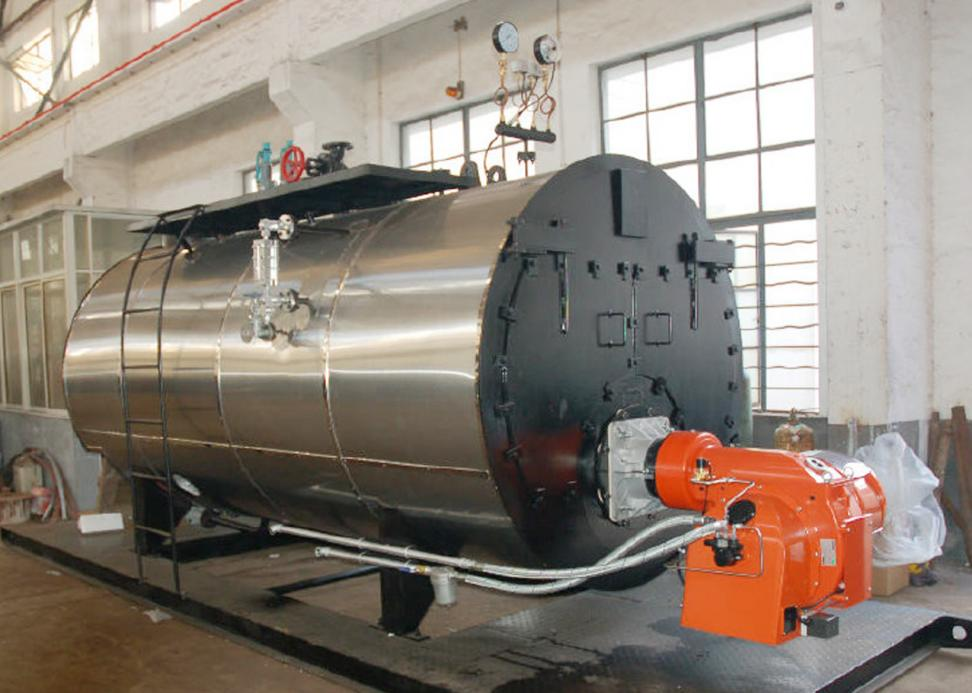
Industrial Furnaces and Heat Exchangers:
Stainless steel sheets are widely used in the manufacturing of industrial furnaces and heat exchangers due to their ability to withstand the high temperatures and corrosive conditions encountered in these processes.
Automotive and Aerospace Applications:
Heat-resistant stainless steel sheets are utilized in the manufacturing of exhaust systems, engines, and components for automobiles and aerospace applications. Their ability to withstand extreme temperatures and corrosive gases is crucial for ensuring optimal performance and longevity.
Food Processing Equipment:
Stainless steel sheets are a preferred choice for the construction of equipment in the food processing industry. Their heat resistance properties allow for the safe handling of hot food products and the sterilization of equipment without risk of contamination.
Stainless steel sheets possess exceptional heat-resistant qualities, making them invaluable in various industries that require materials capable of withstanding high temperatures and corrosive environments. Their ability to maintain mechanical strength, resist oxidation and corrosion, and provide long-lasting performance sets them apart as a reliable and durable choice. When considering heat-intensive applications, stainless steel sheets offer the reliability and performance necessary to meet the demands of even the most challenging environments.