

Introduction
Background – The Significance of China’s Steel Industry
China is the world’s largest producer and consumer of steel, and the steel industry plays a crucial role in economic development and infrastructure construction. Within this vast industry, stainless steel pipes, as an important material, find extensive applications in various fields.
Brief Explanation of the Importance of Environmentally Friendly Treatment for Used Stainless Steel Pipes
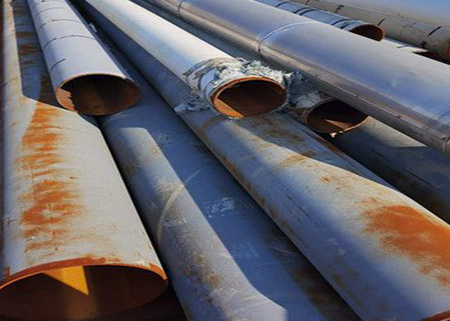
With the rapid economic development and accelerated urbanization in China, a significant amount of used stainless steel pipes is generated and requires proper treatment. However, improper handling of used stainless steel pipes can have serious environmental impacts, highlighting the urgent need for environmentally friendly treatment methods.
The Rise of Environmental Awareness – Issues with Used Stainless Steel Pipes in China’s Steel Industry
In the past, traditional methods such as landfilling or incineration were primarily used for the treatment of used stainless steel pipes in China’s steel industry. However, these methods posed environmental problems such as soil and air pollution and did not meet modern environmental requirements. With the rise of environmental awareness, there has been a reconsideration of how to better handle used stainless steel pipes.
Environmental Impact of Improper Handling Methods
Improper handling of used stainless steel pipes can lead to the release of hazardous substances, causing soil and water pollution and wasting valuable resources. In a resource-constrained country like China, finding environmentally friendly treatment methods becomes particularly important.
Recycling as an Environmental Treatment Option: Current Situation in China’s Steel Industry
Recyclability of Stainless Steel Pipes
China’s steel industry has made significant progress in the recycling of stainless steel pipes. Stainless steel pipes are typically made from high-quality stainless steel, giving them high recycling value. Chinese steel enterprises have recognized the recyclability of stainless steel pipes and actively promote recycling efforts.
Explaining the Process of Stainless Steel Pipe Recycling
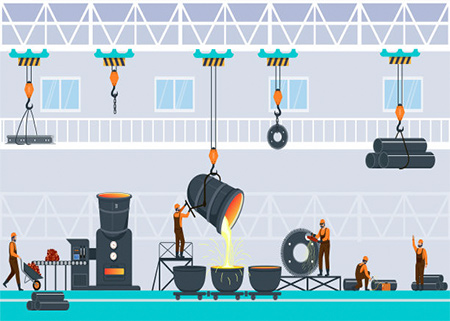
In China, the process of recycling stainless steel pipes involves multiple stages, including collection, sorting, cleaning, and processing. Specialized recycling organizations are responsible for collecting used stainless steel pipes and conducting sorting and cleaning processes. Subsequently, these used stainless steel pipes are sent to processing plants of steel enterprises, where they undergo further processing and can be used to manufacture new stainless steel products.
Emphasizing the Environmental Benefits of Recycling, Such as Reducing the Demand for Raw Materials and Energy
Recycling stainless steel pipes in China’s steel industry carries significant environmental benefits. Firstly, recycling can reduce the demand for limited raw materials, lowering the need for resource extraction and consumption. China being the world’s largest steel producer, recycling stainless steel pipes can reduce the demand for new raw materials, thereby alleviating pressure on natural resources.
Secondly, recycling stainless steel pipes also contributes to energy conservation. The reprocessing process is generally more energy-efficient than the production of new materials because recycled stainless steel pipes have already undergone processing and can be directly used to manufacture new products, reducing energy consumption.
The Chinese steel industry is actively promoting the recycling of stainless steel pipes by strengthening the establishment of recycling systems, improving recycling technologies, and increasing awareness. This aims to achieve resource recycling and sustainable environmental development.
Environmental Treatment Options for Used Stainless Steel Pipes
Recycling Process and Advantages
Metal recycling is a major environmental treatment option, especially for valuable materials like stainless steel pipes. The recycling process includes collection, transportation, sorting, cleaning, and melting stages. In China’s steel industry, recycling used stainless steel pipes has become a vital endeavor. Steel enterprises are actively promoting the recycling of used stainless steel pipes and have established comprehensive recycling systems, including the setup of collection points, operation of recycling vehicles, and training of recycling personnel. These efforts have continually raised the recycling rate and effectively reduced the emissions of used stainless steel pipes.
Technological Innovations in Recycling
With advancing technology, methods for metal recycling are continually innovating. Modern techniques enable more efficient separation and processing of stainless steel pipes, making the recycling process more efficient and environmentally friendly. For example, advanced sorting technologies can separate stainless steel pipes from other metal impurities, improving recycling rates. Additionally, improvements in cleaning and melting techniques help enhance recycling efficiency and reduce energy consumption.
Non-Recyclable Stainless Steel Pipes’ Proper Handling Methods
Explaining the Importance of Proper Handling of Non-Recyclable Stainless Steel Pipes
For those stainless steel pipes that cannot be recycled, proper handling methods are crucial. Improper handling can lead to the release of hazardous substances, posing risks to the environment and human health.
In China’s steel industry, non-recyclable stainless steel pipes are usually classified as waste and require specialized handling. These pipes may contain hazardous substances such as heavy metals and organic compounds, which, if not handled correctly, could lead to soil and water pollution and harm the ecological environment.
Discussing the Option of Sending Them to Special Facilities for Proper Treatment or Disposal
Non-recyclable stainless steel pipes should be sent to specialized facilities for proper treatment or disposal. These facilities are typically equipped with advanced treatment equipment and technology, capable of effectively treating stainless steel pipes while minimizing environmental risks.
In China, some dedicated waste treatment facilities have been established specifically for the treatment of used stainless steel pipes. These facilities employ advanced treatment methods, including high-temperature melting, chemical treatment, and physical separation, to ensure the safe disposal of hazardous substances contained in stainless steel pipes.
Environmental Risks of Improper Handling
Improper handling of non-recyclable stainless steel pipes can result in the release of hazardous substances, causing contamination of soil and water sources, posing potential threats to the ecological environment and human health. Therefore, proper handling is of utmost importance.
In China, the government and relevant authorities have strengthened the regulation and management of the treatment of used stainless steel pipes. Stringent environmental laws and standards ensure the proper handling and disposal of these pipes. Moreover, efforts to enhance public education and awareness promote environmental consciousness, encouraging individuals to handle used stainless steel pipes correctly and collectively protect the environment and health.
The Significance of Government Regulations and Initiatives in Stainless Steel Pipe Treatment
Discussing Government Regulations Related to Stainless Steel Pipe Treatment
Government regulations play a crucial role in the management of stainless steel pipe treatment and recycling. The Chinese government regulates and manages the treatment of stainless steel pipes by enacting and implementing relevant laws and regulations. These regulations aim to protect the environment, promote sustainable resource utilization, and standardize the treatment processes of stainless steel pipes.
China’s steel industry faces challenges in dealing with used stainless steel pipes. Government regulations require enterprises and individuals to comply with environmental protection standards when handling used stainless steel pipes, ensuring their safe treatment and disposal. These regulations include waste management laws, environmental protection laws, and resource recycling laws, which provide clear requirements for the recycling, treatment, and reuse of stainless steel pipes.
Emphasizing the Importance of Any Initiatives or Plans Aimed at Promoting Environmental Treatment Practices
In addition to regulations, governments can also launch initiatives or plans to encourage enterprises and individuals to adopt environmentally friendly practices for stainless steel pipe treatment. These initiatives help raise public awareness of environmental protection and promote the development of environmental actions.
In China, the government advocates the concept of green and sustainable development, introducing a series of environmental initiatives and plans. For instance, promoting the development of the circular economy encourages enterprises to use environmentally friendly technologies and equipment for the treatment and recycling of used stainless steel pipes. Enhancing waste classification and resource utilization helps increase the reuse rate of used stainless steel pipes. Advancing the construction of green supply chains promotes environmental measures in the production and usage of stainless steel pipes.
These government initiatives and plans provide guidance and support for the environmentally friendly treatment of stainless steel pipes. Simultaneously, the government strengthens the supervision of stainless steel pipe treatment enterprises to ensure their compliance with environmental requirements, facilitating the sustainable development of the industry.
Conclusion: The Importance of Environmentally Friendly Treatment of Used Stainless Steel Pipes
In the current state of China’s steel industry, there is a growing awareness of the importance of properly handling used stainless steel pipes. As environmental protection gains prominence, adopting environmentally friendly treatment methods becomes a necessary action. Through recycling, remanufacturing, and the use of environmentally friendly treatment technologies, we can reduce resource waste, mitigate environmental risks, and achieve sustainable development.
The Value and Prospects of Environmental Choices
The environmentally friendly treatment of used stainless steel pipes not only contributes to environmental protection but also holds economic and societal value. Firstly, recycling and reusing used stainless steel pipes can reduce the demand for raw materials, lowering production costs and enhancing resource utilization efficiency. Secondly, employing environmentally friendly treatment technologies can reduce waste emissions and environmental pollution, improving the quality of the ecological environment. Furthermore, environmentally friendly treatment of used stainless steel pipes can create job opportunities and promote economic development.
Collaborative Efforts and Innovative Environmental Approaches
Regarding the issue of how to handle used stainless steel pipes, we need collaborative efforts and innovative environmental approaches to ensure the protection of our resources and the improvement of our environment, ultimately creating a brighter future for the next generation.
Firstly, the government plays a crucial role in guiding and supervising the steel industry. The government should establish and implement relevant laws and policies, encouraging enterprises to adopt environmentally friendly treatment technologies and promoting the recycling and reuse of used stainless steel pipes. Additionally, the government should strengthen the supervision of stainless steel pipe treatment enterprises to ensure their compliance with environmental requirements.
Secondly, enterprises should actively implement environmental measures, promoting green production and the development of the circular economy. Enterprises can invest in the research and development of environmental technologies, enhancing the recycling and reuse rates of used stainless steel pipes. Simultaneously, enterprises can strengthen waste classification and resource utilization, reducing waste emissions and environmental pollution.
Furthermore, the public should enhance environmental awareness and actively participate in the recycling and treatment of used stainless steel pipes. The public can contribute to environmental protection by correctly classifying waste and participating in recycling activities.
Conclusion
In the current state of China’s steel industry, there is a growing awareness of the importance of properly handling used stainless steel pipes. Through recycling, remanufacturing, and the use of environmentally friendly treatment technologies, we can reduce resource waste, mitigate environmental risks, and achieve sustainable development. The environmentally friendly treatment of used stainless steel pipes not only contributes to environmental protection but also holds economic and societal value. Governments, enterprises, and the public should collaborate and adopt innovative environmental approaches to create a better future for the next generation. We hope this information is helpful to you! If you need more detailed information or have other questions, please feel free to ask.