

Introduction

Background
Stainless steel pipes are widely used in various fields, including petrochemicals, food processing, and construction. The appearance and surface quality of stainless steel pipes are crucial for their performance and aesthetics. Therefore, different surface treatment methods play a significant role in the manufacturing of stainless steel pipes.
Purpose and Significance
The purpose of this article is to explore various surface treatment methods for stainless steel pipes, including mechanical polishing, acid pickling, electroplating, and sandblasting. Understanding the principles, application areas, and advantages of these treatment methods will help in choosing the most suitable surface treatment method for specific applications of stainless steel pipes. This is essential to ensure the performance, corrosion resistance, and aesthetics of the pipes.
Surface Treatment Methods for Stainless Steel Pipes
Polishing Process
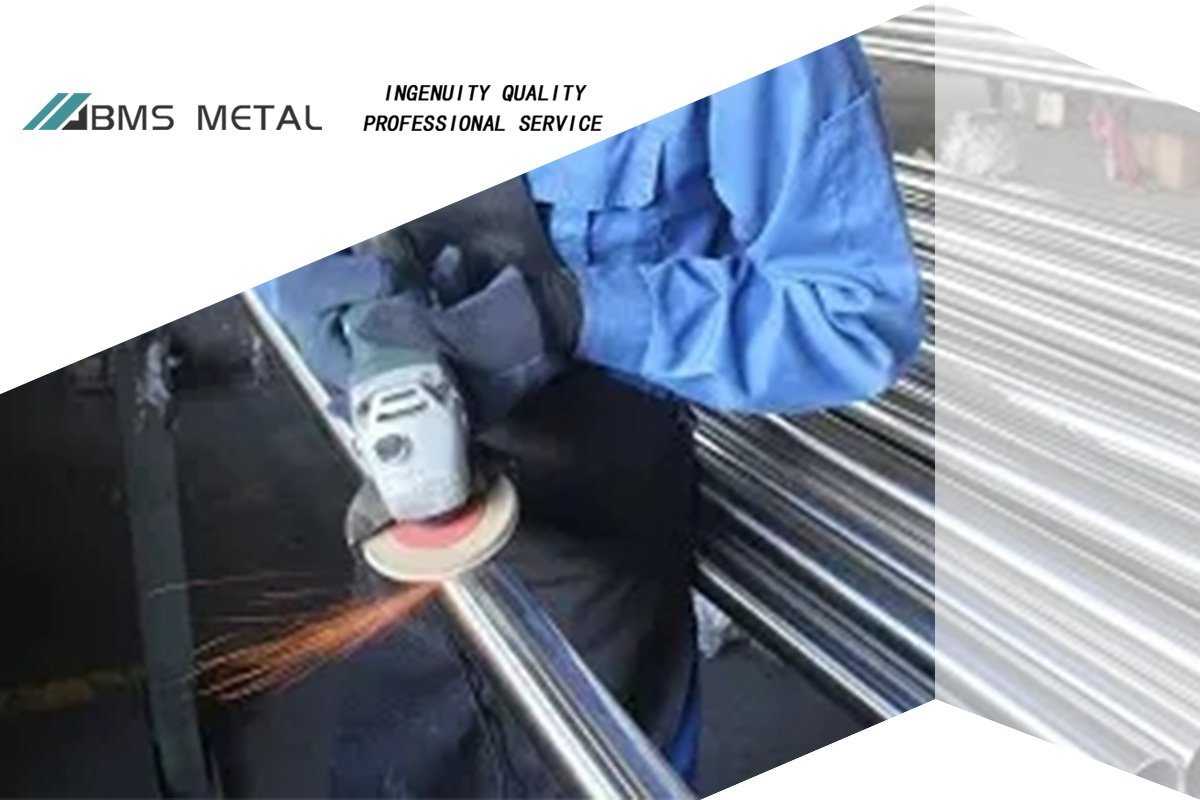
Mechanical polishing is a surface treatment method that involves the use of physical force to polish the surface of stainless steel pipes, achieving a smooth and shiny appearance. In this process, grinding machinery such as polishing machines or belt sanders is typically used. These machines use abrasive belts or polishing wheels to remove defects, oxide layers, and unevenness from the surface, resulting in a uniform surface gloss.
Application Areas
Mechanical polishing is commonly used in applications where high aesthetics and surface quality are required, such as food processing equipment, architectural decoration, and the pharmaceutical industry. Additionally, it is a common surface treatment method in the manufacturing of medical devices, aerospace components, and high-end furniture.
Pickling Process
Acid pickling is a chemical surface treatment method that involves immersing stainless steel pipes in an acidic solution to remove surface oxides, rust, and other impurities. Commonly used acids include nitric acid, hydrochloric acid, or sulfuric acid. These acids quickly dissolve the oxide layer on the surface of stainless steel, resulting in a clean surface.
Applicability
Acid pickling is widely used in applications that require highly clean, oxide-free, and rust-free stainless steel pipes, such as pharmaceuticals, the electronics industry, and semiconductor manufacturing. Furthermore, it is used in the food processing and chemical industries to ensure the corrosion resistance of pipelines.
Electroplating Principle
Electroplating is a process that involves depositing a layer of metal onto the surface of stainless steel pipes to provide corrosion resistance and aesthetics. Typically, stainless steel pipes act as anodes and are immersed in an electrolyte solution, with the application of an electric current inducing the formation of a uniform metal coating on the surface. This can produce a uniform coating of metals such as chromium or nickel on the surface of stainless steel pipes.
Application Scenarios
Electroplating is often used in decorative applications such as home products, jewelry, and automotive parts to enhance visual appeal and protect stainless steel pipes from corrosion.
Sandblasting Technique
Sandblasting is a method that involves using high-speed abrasive particles to remove material from the surface of stainless steel pipes. This process can create a rough surface, typically used to increase adhesion for bonding or coating.
Application Areas
Sandblasting is commonly used in applications that require increased surface roughness and adhesion, such as automobile manufacturing, glass bonding, and ship maintenance.
Factors for Choosing Surface Treatment of Stainless Steel Pipes
Application Environment
Different application environments have a significant impact on the surface treatment of stainless steel pipes. For example, in humid or highly corrosive environments, more corrosion-resistant surface treatments may be needed to ensure the long-term use of pipes. International standards such as GB/T 3280-2015 “Cold-rolled Stainless Steel Sheets and Strips” provide detailed guidance on stainless steel surface treatment, allowing for the selection of the appropriate treatment method based on specific application environments.
Aesthetic Requirements
Aesthetic requirements are crucial, especially in architectural and decorative applications. In these cases, the surface treatment of stainless steel pipes should provide a high level of gloss and smoothness to meet design aesthetics. International standards like GB/T 29828-2013 “Stainless Steel Decorative Pipes” specify aesthetic requirements for stainless steel pipe surface treatment, including parameters such as polishability and glossiness.
Corrosion Resistance
Corrosion resistance is a key factor in the surface treatment of stainless steel pipes. Stainless steel itself has good corrosion resistance, but in some special environments, such as chemical plants or marine environments, additional corrosion protection may be required. The corrosion resistance of stainless steel pipe surface treatment can be assessed following international standards such as GB/T 2100-2008 “Methods of Corrosion Resistance Testing for Metallic Materials.”
Cost Considerations
Finally, cost is one of the factors to consider when choosing a surface treatment method for stainless steel pipes. Different treatment methods involve varying material and process costs. Therefore, when selecting a surface treatment method, cost must be considered within the project budget while meeting application requirements.
Conclusion
The choice of surface treatment method for stainless steel pipes should be a comprehensive consideration based on specific application environments, aesthetic requirements, corrosion resistance, and cost factors. With the guidance of international standards and national standards, it is possible to better select the surface treatment method suitable for specific applications to ensure the performance and appearance of stainless steel pipes meet the required standards.