


Introduction
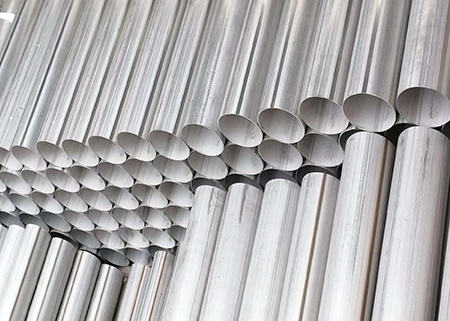
In the steel industry and many other fields, the corrosion resistance of materials is a crucial concern. This article will explore how stainless steel pipes perform in terms of corrosion resistance compared to other materials and their applications in different industries. By delving into the composition and performance of stainless steel pipes, we can better understand their critical role in the steel industry.
Background
Stainless steel pipes are a common material known for their excellent corrosion resistance, making them widely used in various fields. The primary components and material properties of stainless steel pipes give them a significant competitive advantage when compared to other materials. In modern industrial and construction applications, the demand for materials with corrosion resistance is increasing, making an understanding of the performance of stainless steel pipes crucial for ensuring the longevity and reliability of engineering projects.
Research Objectives
The purpose of this study is to delve deeply into the corrosion resistance of stainless steel pipes and compare them with other common materials. We will analyze the composition of stainless steel pipes, with a particular focus on elements that influence their corrosion resistance. Additionally, we will outline key material properties of stainless steel pipes to help readers better understand their advantages in different application areas.
Corrosion Resistance of Stainless Steel Pipes
Major Components
The primary components of stainless steel pipes are iron, chromium, nickel, and trace amounts of other elements. Among these, chromium is the most important element in stainless steel pipes, typically constituting over 10% of the material. The presence of chromium forms a dense oxide layer on the surface, preventing further corrosion of the steel and enhancing its corrosion resistance.
Elements Influencing Corrosion Resistance
In addition to chromium, other elements in stainless steel pipes also impact their corrosion resistance. For instance, the addition of nickel can enhance the corrosion resistance of stainless steel pipes, making them more stable in acidic environments. Furthermore, the inclusion of elements like molybdenum, titanium, and niobium can further improve the corrosion resistance of stainless steel pipes.
Oxidation Resistance
Stainless steel pipes exhibit excellent oxidation resistance and can maintain stability in high-temperature environments. This is due to the dense oxide layer formed on the surface of stainless steel pipes, which prevents oxygen from further corroding the material, thus extending the service life of stainless steel pipes. In contrast, other materials like regular steel are prone to oxidation reactions at high temperatures, leading to corrosion and material degradation.
Acid and Alkali Resistance
Stainless steel pipes have outstanding resistance to acids and alkalis, remaining stable in acidic and alkaline environments. This is because the oxide layer on the surface of stainless steel pipes prevents the intrusion of acidic or alkaline substances into the steel material. In contrast, other materials such as iron and copper are susceptible to corrosion reactions in acidic or alkaline environments, resulting in material damage and failure.
Comparison with Other Materials
When discussing the corrosion resistance of stainless steel pipes, it is worthwhile to compare them with other commonly used materials to gain a better understanding of their performance and competitive advantages.
Rust Issue
Traditional steel materials are prone to rust when exposed to oxygen and water, leading to structural corrosion and material weakening. Stainless steel pipes, due to their special alloy composition, exhibit strong rust resistance and are less susceptible to rusting, making them perform exceptionally well in humid environments.
Corrosion Resistance Performance Comparison
The corrosion resistance of stainless steel pipes is far superior to that of traditional steel materials, especially in chemically corrosive environments. Traditional steel materials are vulnerable to erosion in corrosive media, while stainless steel pipes can withstand the corrosion of various chemical substances.
Electrical Conductivity and Thermal Conductivity
Copper is an excellent conductor of electricity and heat, making it widely used in the electronics and electrical fields. While stainless steel pipes have lower electrical conductivity and thermal conductivity, they excel in corrosion resistance.
Corrosion Resistance Performance Comparison
Stainless steel pipes exhibit significantly better corrosion resistance than copper, especially in environments containing acidic or alkaline components. Copper materials are susceptible to erosion in some chemical media, whereas stainless steel pipes maintain their performance more effectively.
Chemical Corrosion Resistance
Stainless steel pipes surpass most plastic materials in chemical corrosion resistance, especially when handling corrosive chemicals. Some plastic materials are prone to erosion in certain acidic or alkaline environments, while stainless steel pipes are better suited for such applications.
High-Temperature Resistance
Stainless steel pipes exhibit excellent high-temperature resistance and can operate stably in high-temperature environments. Compared to some plastic materials, stainless steel pipes are better equipped to meet the requirements of working in high-temperature conditions.
Summary of Comparisons
In summary, stainless steel pipes demonstrate superior corrosion resistance compared to materials such as steel, copper, and plastic. Their special alloy composition, rust resistance, and high-temperature stability make them a preferred choice in the steel industry and many other fields. However, in specific applications, other materials still have their advantages and uses based on specific requirements.
Examples of Application Areas
Stainless steel pipes find widespread application in multiple fields, including industrial, construction, and medical industries. Here are some examples covering these areas.
The industrial sector is one of the crucial application areas for stainless steel pipes, especially in the steel industry.
Chemical Industry
In the chemical industry, stainless steel pipes are commonly used to handle various corrosive chemicals, such as acids and alkalis. The inclusion of nickel and chromium in their composition enhances their corrosion resistance, ensuring long-term stability in chemical processes. The high-temperature resistance of stainless steel pipes also plays a significant role in chemical reactions.
Manufacturing Industry
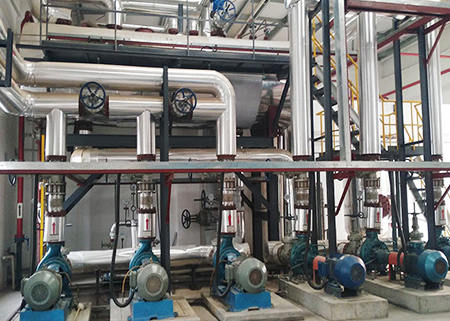
In the manufacturing industry, stainless steel pipes are widely employed in various process equipment, including pipelines and containers. The composition and material properties of stainless steel pipes guarantee the reliability and safety of process equipment under high-temperature and high-pressure conditions, which is critical for the efficient operation of manufacturing processes.
Construction Sector
In the construction sector, stainless steel pipes also play a crucial role, especially in cases requiring structural support and corrosion resistance.
Structural Support
Stainless steel pipes are commonly used in building structures, such as bridges and support components for large buildings. Their high strength and tensile resistance make them critical components for the stability and safety of structures. The corrosion resistance of stainless steel pipes ensures their long-term use in harsh environments.
Corrosion Resistance Characteristics
In marine environments, stainless steel pipes are widely used due to their resistance to salt spray corrosion. The composition and material properties of stainless steel pipes enable them to maintain their appearance and performance, resisting corrosion in marine environments, which is crucial for marine engineering.
Medical Industry
In the medical industry, stainless steel pipes also play a vital role in ensuring the quality and hygiene of medical equipment and pharmaceutical manufacturing.
Medical Equipment
Stainless steel pipes are commonly used in the manufacturing of medical instruments, including surgical tools and diagnostic equipment. Their hygiene and biocompatibility are crucial for the safety of medical instruments. The composition and material properties of stainless steel pipes ensure high-quality manufacturing of medical equipment.
Pharmaceutical Manufacturing
Stainless steel pipes are used for conveying and storing pharmaceutical liquids, ensuring the purity and quality of pharmaceutical products. The composition and corrosion resistance of stainless steel pipes guarantee the reliability of pharmaceutical manufacturing. They play a crucial role in maintaining the hygiene standards of pharmaceutical production.
Conclusion
Advantages of Stainless Steel Pipes
Stainless steel pipes excel in corrosion resistance, high-temperature resistance, and durability, making them one of the preferred materials in the steel industry and other fields.
Potential Applications in Different Fields
The performance and versatility of stainless steel pipes open up a wide range of potential application areas, ensuring their continued importance in various industries.