

Introduction
Stainless steel is a versatile and highly sought-after material due to its impressive properties, including corrosion resistance, durability, and aesthetic appeal. Among the various forms of stainless steel, stainless steel sheets play a crucial role in numerous industries, such as construction, automotive, and manufacturing. This article explores the recent advancements in stainless steel sheet production, highlighting the innovative techniques and technologies that have revolutionized the manufacturing process and enhanced the quality and efficiency of stainless steel sheets.
Traditional Stainless Steel Sheet Production Methods:
Hot Rolling Process: Igniting Metamorphosis
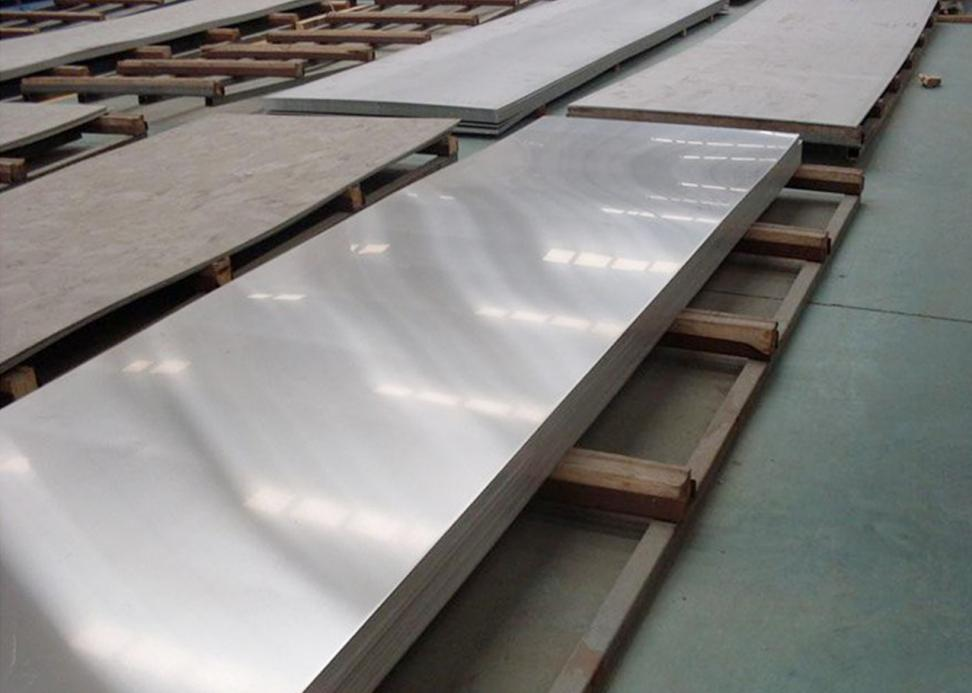
Immerse yourself in the fiery furnace of stainless steel sheet production as colossal metal slabs undergo a remarkable transformation. The traditional hot rolling process involves the reheating of these metal slabs and skillfully passing them through a series of rollers. While hot rolling enables the production of larger sheets, it also comes with certain limitations. The thickness options may be constrained, and the tolerances achieved might lack the desired precision. These limitations set the stage for the emergence of a revolutionary alternative.
Cold Rolling Process: A Paradigm Shift in Precision and Excellence
Enter the game-changing cold rolling process, a technique that has ushered in a new era of stainless steel sheet production. With cold rolling, hot rolled sheets embark on a remarkable journey through a series of rollers at room temperature. The advantages of this method are manifold. Witness the unveiling of impeccable surface finishes that captivate the senses, admire the tighter thickness tolerances that epitomize precision, and behold the enhanced mechanical properties that bestow strength and durability upon the sheets. The cold rolling process empowers manufacturers with unprecedented control and quality.
Advanced Techniques in Stainless Steel Sheet Production
Continuous Casting
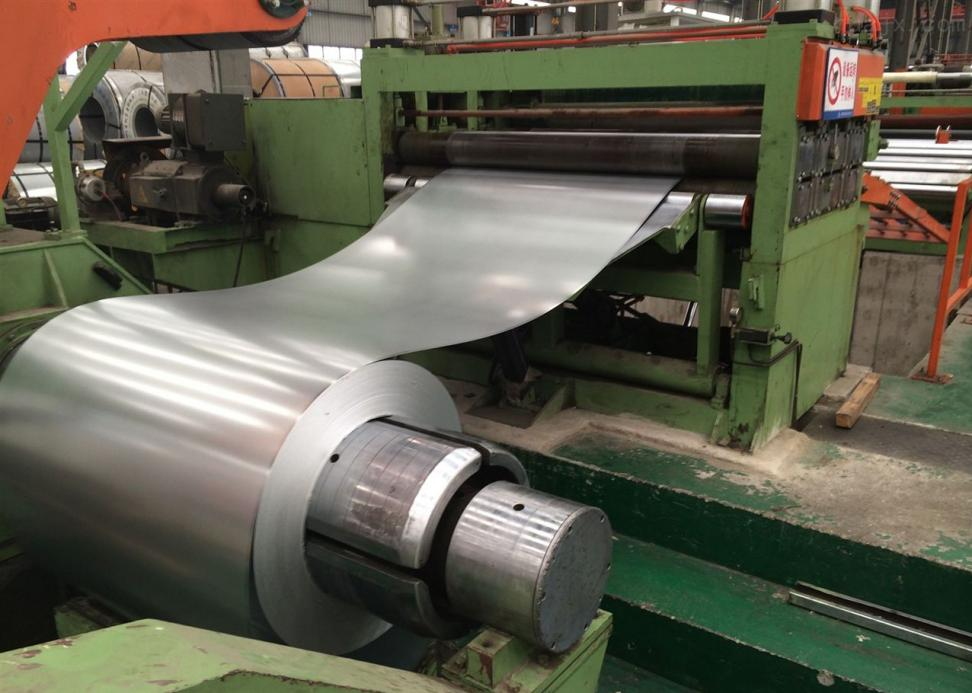
Continuous casting is a method where molten stainless steel is poured into a water-cooled mold, resulting in semi-finished slabs. This technique offers superior quality control and uniformity, producing sheets with fewer defects and improved mechanical properties. The process allows for better control of the cooling rate, resulting in a refined microstructure and enhanced sheet properties.
Precision Levelling
Precision leveling is a technique used to flatten and remove residual stress from stainless steel sheets. It contributes to improved flatness, surface quality, and dimensional stability of the sheets, making them more suitable for demanding applications. Precision leveling ensures uniform thickness and minimizes distortions, enhancing the overall quality of the sheets.
Advanced Annealing Processes
Advanced annealing processes, such as solution annealing and recrystallization annealing, have played a crucial role in improving the microstructure and mechanical properties of stainless steel sheets. These processes result in sheets with superior corrosion resistance, formability, and strength. Solution annealing eliminates carbides and promotes homogeneity, while recrystallization annealing reduces dislocation density, enhancing the material’s properties.
Surface Treatment Technologies
Surface treatment technologies, including pickling, passivation, and electro-polishing, are employed to enhance the surface finish and corrosion resistance of stainless steel sheets. Pickling removes impurities and oxide layers, while passivation forms a protective layer on the surface, improving the material’s corrosion resistance. Electro-polishing further refines the surface, providing a smooth and aesthetically pleasing finish. These treatments are vital in achieving the desired functional and visual properties of stainless steel sheets.
Technological Innovations in Stainless Steel Sheet Production
Overview of laser cutting and welding techniques in stainless steel sheet fabrication
Laser cutting involves using a high-powered laser beam to meticulously slice through stainless steel sheets with remarkable accuracy. This precise and controlled method allows for intricate and complex designs to be effortlessly etched onto the metal surface. Meanwhile, laser welding utilizes the intense heat generated by lasers to create strong and seamless joints between stainless steel sheets, eliminating the need for traditional welding methods that often lead to imperfections and weak points.
Benefits of laser technology: precision, reduced waste, and improved efficiency
The adoption of laser technology in stainless steel sheet production brings forth a host of benefits that go beyond the conventional methods. Firstly, laser cutting and welding enable unparalleled precision, allowing manufacturers to achieve intricate designs and intricate details that were once unimaginable. This precision extends to the fabrication of complex shapes, ensuring a perfect fit for various applications.
Furthermore, laser technology significantly reduces material waste. With precise cutting and welding, there is minimal material loss, translating into cost savings and environmental benefits. Manufacturers can optimize their resources while maintaining a high level of quality.
Additionally, laser techniques offer improved efficiency. Unlike traditional cutting and welding methods, laser processes are faster, requiring less time for completion. As a result, production cycles are shortened, leading to increased productivity and reduced lead times.
Comparison with traditional cutting and welding methods
When comparing laser cutting and welding with traditional techniques, the advantages become even more apparent. Laser technology excels in delivering cleaner cuts and welds, eliminating the need for time-consuming post-processing and refinishing. The precision of lasers also minimizes the risk of distortion and warping, ensuring the structural integrity of the stainless steel sheets.
Moreover, lasers offer greater flexibility in terms of customization. With computer-controlled systems, manufacturers can quickly switch between designs, making adjustments to meet changing demands seamlessly. This versatility is a stark contrast to traditional methods that often require significant setup time and are less adaptable to design changes.
Introduction: Discovering the World of Automated Inspection Systems
Imagine a world where every surface flaw and dimension deviation in stainless steel sheets can be detected with astonishing accuracy. This is the promise of automated inspection systems. Using a combination of state-of-the-art cameras, sensors, and intelligent algorithms, these systems bring a new level of precision and quality assurance to stainless steel sheet production.
Functionality: How Advanced Cameras and Sensors Leave No Imperfection Untouched
Advanced cameras and sensors lie at the heart of automated inspection systems, operating as the vigilant eyes and ears that meticulously scan every inch of stainless steel sheets. Equipped with high-resolution imaging capabilities, these cameras capture even the tiniest surface defects, such as scratches, dents, or blemishes, ensuring that only flawless sheets reach the hands of designers and builders.
Furthermore, the sensors integrated into these systems go beyond surface inspection. They measure dimensions, thickness, and flatness, ensuring compliance with strict industry standards. With remarkable precision and speed, these automated inspection systems provide real-time data, allowing manufacturers to identify and rectify any deviations promptly.
Role: Enhancing Quality Control and Eliminating Human Error
In the realm of stainless steel sheet production, quality control plays a pivotal role. Automated inspection systems excel in this area by minimizing human error and improving overall manufacturing standards. These systems’ ability to detect imperfections and dimensional variations with unparalleled accuracy reduces the risk of faulty products reaching end users.
By eliminating the dependence on human visual inspection alone, manufacturers can achieve consistency and reliability in their products. Automated inspection systems provide a level of objectivity and thoroughness that surpasses what the naked eye can perceive. This not only ensures customer satisfaction but also safeguards the reputation and integrity of manufacturers in the competitive marketplace.
Transformation of Stainless Steel Sheet Production through Digitalization: A New Era Dawns
With digitalization, stainless steel sheet production is experiencing a paradigm shift. Traditional manual processes are being replaced by advanced technologies that leverage the power of connectivity and smart systems. Digitalization enables seamless integration of data across various stages of production, creating a synchronized workflow from raw material to finished product. Sensors, Internet of Things (IoT), and automation are harnessed to optimize efficiency, accuracy, and quality across the production line.
Utilization of Real-time Monitoring and Analysis for Optimization of Production: Insights that Drive Excellence
Real-time monitoring and data analytics are the driving forces behind the optimization of stainless steel sheet production. Advanced sensors and monitoring systems capture invaluable data points, allowing manufacturers to gain deep insights into their processes. By analyzing this data in real-time, manufacturers can identify bottlenecks, track performance metrics, and make data-driven decisions to maximize productivity, increase yield, and minimize waste.
Moreover, predictive analytics algorithms are utilized to identify patterns and detect anomalies, enabling proactive maintenance and minimizing unscheduled downtime. This means that production disruptions can be anticipated and addressed before they even occur, ensuring smooth operations and minimizing costly delays.
Impacts of Digitalization and Data Analytics: From Downtime Reduction to Supercharged Efficiency
The integration of digitalization and data analytics in stainless steel sheet production brings a multitude of benefits. Reduced downtime, one of the industry’s biggest challenges, is achieved through predictive maintenance and the ability to address potential issues before they become critical. This translates into heightened productivity, optimized resource allocation, and substantial cost savings for manufacturers.
Furthermore, data analytics provide an in-depth understanding of production performance, enabling continuous improvement through process optimization and the identification of areas for enhancement. Manufacturers can proactively fine-tune their operations, streamline workflows, and enhance efficiency at every stage of the production process.
Conclusion:
The advancements in stainless steel sheet production driven by digitalization and data analytics have ushered in a new era of innovation and efficiency. Through the integration of smart systems, real-time monitoring, and predictive analytics, manufacturers are able to optimize production processes, reduce downtime, and improve overall efficiency.
Digitalization has transformed traditional manual processes, replacing them with advanced technologies that streamline workflows and ensure a synchronized production line. Real-time monitoring and data analytics provide manufacturers with invaluable insights into their operations, enabling them to identify bottlenecks, track performance metrics, and make data-driven decisions.
The impact of digitalization and data analytics in stainless steel sheet production is profound. Downtime is significantly reduced through predictive maintenance, leading to heightened productivity and cost savings. Manufacturers can continuously enhance their operations through process optimization, resulting in streamlined workflows and improved efficiency.
The future of stainless steel sheet production lies in embracing the power of digitalization and data analytics. By harnessing these technologies, manufacturers can meet the growing demands for quality and efficiency while remaining competitive in the industry. The time to embark on this exciting journey of innovation is now, as it promises to revolutionize stainless steel sheet production and drive success in a rapidly evolving market.