

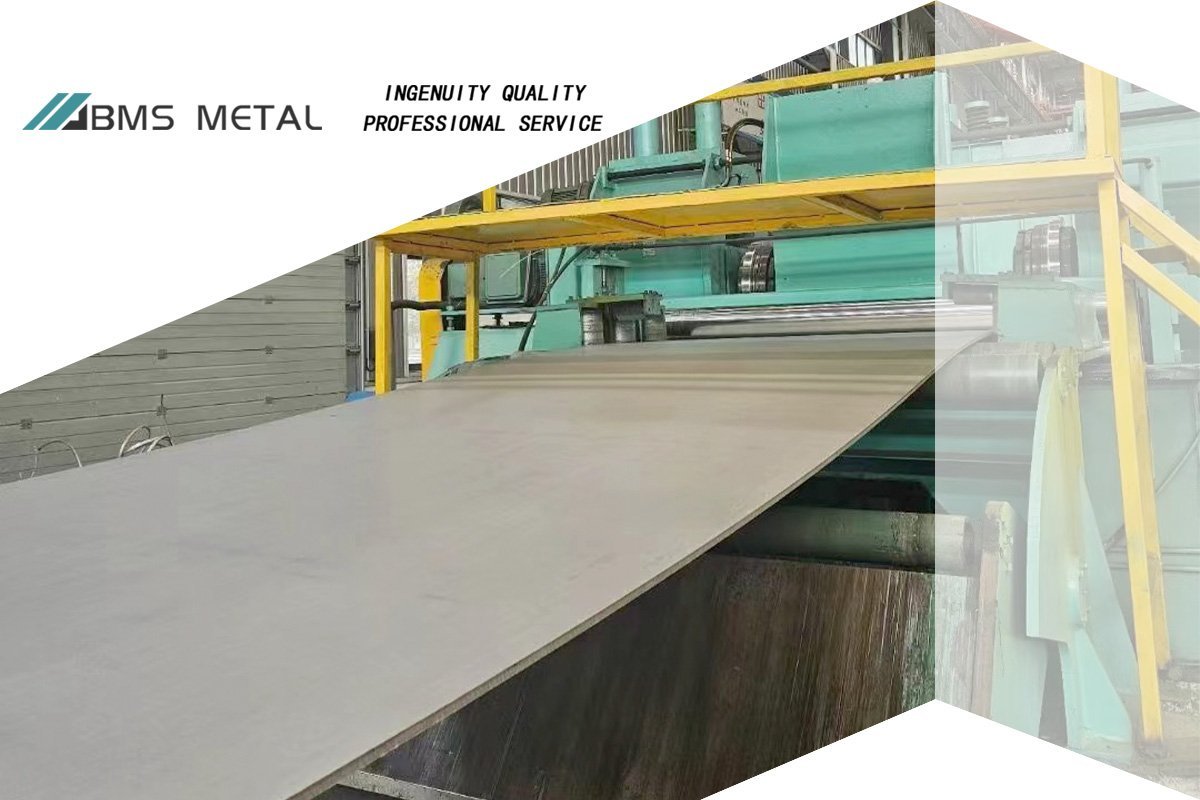
Learn everything about stainless steel sheet metal thickness, including measurement systems, selection tips, and its impact on performance. This guide covers all you need to know for making informed decisions in your projects.
What is Stainless Steel Sheet Metal Thickness?
Definition and Importance
Stainless steel sheet metal thickness refers to the distance between the two surfaces of the sheet. This measurement is critical because it directly impacts the material’s strength, flexibility, and suitability for different applications. Whether you’re working on automotive parts, construction projects, or kitchenware, choosing the right thickness is essential to ensure both performance and durability.
Measurement Systems
Gauge System: The gauge system is one of the most commonly used methods to measure the thickness of stainless steel sheets. Originating in the 19th century, it assigns a numerical value to different thicknesses, with lower numbers indicating thicker sheets. Understanding how gauge correlates to thickness in both inches and millimeters is crucial for precise application.
Metric System: Unlike the gauge system, the metric system uses millimeters to measure sheet thickness directly. This system is widely used globally, providing a straightforward and consistent way to specify thickness, especially in international projects.
Conversion Charts
To make it easier for users to understand and compare thicknesses, here’s a detailed chart converting gauge numbers to both inches and millimeters. This allows for quick reference and ensures you choose the correct thickness for your project’s needs.
How to Select the Right Thickness for Your Project
Factors to Consider
Application Requirements: Different projects have unique demands, and the thickness of the stainless steel sheet must align with those requirements. For example, automotive components may require thinner, more flexible sheets, while construction projects might need thicker sheets for added strength.
Material Strength and Flexibility: The relationship between thickness and material properties is pivotal. Thicker sheets generally offer greater strength, but they can be less flexible. Understanding this balance helps in selecting the right material for both structural integrity and ease of fabrication.
Cost Implications: Thickness also plays a significant role in the overall cost of stainless steel sheets. Thicker sheets tend to be more expensive, but they might offer long-term savings through enhanced durability and reduced maintenance.
Common Thicknesses in the Industry
In the industry, certain thicknesses of stainless steel sheets are more commonly used than others. This section provides an overview of these standard thicknesses and explains which specific applications they are best suited for, helping you make the most informed choice.
The Impact of Stainless Steel Sheet Thickness on Performance
Durability and Longevity
Thicker stainless steel sheets generally offer better durability and longevity, making them ideal for high-wear applications. This section delves into how thickness contributes to the lifespan of the material in various environments and industries.
Ease of Fabrication and Installation
While thicker sheets may be more durable, they can also present challenges during fabrication and installation. This section discusses how thickness affects processes like cutting, bending, and installing, and provides tips for managing these challenges effectively.
Comparing Stainless Steel Sheet Thickness to Other Metals
Stainless Steel vs. Carbon Steel
Comparing the thickness of stainless steel with carbon steel highlights differences in performance. This section explores how thickness affects characteristics such as strength, corrosion resistance, and cost in both materials, helping you choose the best option for your project.
Stainless Steel vs. Aluminum
Aluminum is another popular material in industries that require lightweight yet strong materials. This section compares the thickness of stainless steel and aluminum, emphasizing the differences in strength, weight, and suitability for various applications.
Common Mistakes to Avoid When Selecting Stainless Steel Sheet Thickness
Ignoring Application Requirements
Selecting the wrong thickness for a specific application can lead to significant issues, including structural failure and unnecessary costs. This section highlights the risks and provides guidance on how to avoid these pitfalls by thoroughly understanding the application’s needs.
Overlooking Material Properties
Misunderstanding the material properties related to thickness can result in poor project outcomes. This section explains the importance of considering factors like strength, flexibility, and durability when choosing the right thickness for your stainless steel sheet.
Conclusion
Summary of Key Points
In this section, we recap the importance of selecting the correct thickness for stainless steel sheets based on the specific requirements of your application, material properties, and cost considerations.
Final Recommendations
To conclude, this section offers actionable advice on how to choose the best thickness for your needs, ensuring you make an informed decision that balances performance, cost, and practicality.
Frequently Asked Questions (FAQ)
What is the standard thickness of stainless steel sheets?
This section provides a brief answer to this common question and includes a link to the conversion chart for easy reference.
How does stainless steel sheet thickness affect its price?
Understanding the correlation between thickness and cost is essential for budgeting your project. This section discusses how thickness impacts the price and provides tips on managing costs effectively.
Can I use a thicker stainless steel sheet for any application?
While thicker sheets can offer added strength, they may not be suitable for every application. This section explains the limitations and considerations when opting for thicker stainless steel sheets.