

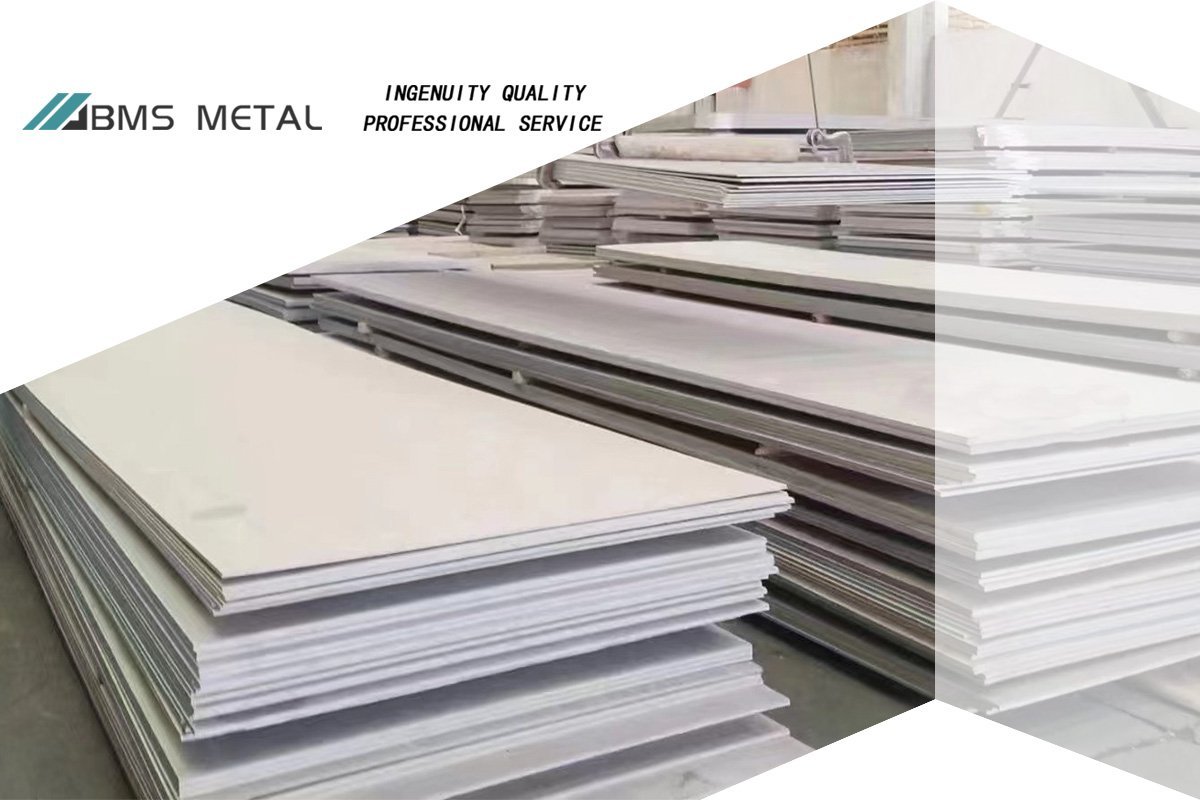
Discover the key differences between 18-8 and 304 stainless steel. Learn about their chemical compositions, mechanical properties, corrosion resistance, and which is best for your project. Get expert insights in this comprehensive guide.
Chemical Composition
Chemical Makeup of 18-8 Stainless Steel
- Detailed Breakdown of the Chemical Composition:
- 18-8 stainless steel is an austenitic stainless steel that contains approximately 18% chromium and 8% nickel. The “18-8” nomenclature specifically highlights these two key elements, which give the alloy its renowned corrosion resistance and excellent forming properties.
- Chromium (18%): Chromium is the element that imparts corrosion resistance to stainless steel by forming a thin, invisible oxide layer on the surface, which prevents further corrosion. In 18-8 stainless steel, chromium ensures that the material can withstand various environmental conditions, making it ideal for use in diverse industries.
- Nickel (8%): Nickel is added to enhance the steel’s ductility, toughness, and corrosion resistance. It also stabilizes the austenitic structure, allowing the material to maintain its non-magnetic properties and formability at various temperatures.
- How the Composition Contributes to Properties:
- The balanced composition of chromium and nickel in 18-8 stainless steel provides an excellent combination of strength, flexibility, and corrosion resistance. This makes it a popular choice for applications requiring durability and resistance to rust, such as in the production of fasteners, kitchen utensils, and medical devices.
Chemical Makeup of 304 Stainless Steel
- Specific Chemical Composition:
- 304 stainless steel is very similar to 18-8 stainless steel in composition, typically containing 18-20% chromium and 8-10.5% nickel. It also includes trace amounts of other elements such as carbon, manganese, silicon, and phosphorus.
- Chromium (18-20%): The slightly broader range of chromium content in 304 stainless steel provides enhanced corrosion resistance, particularly in more aggressive environments.
- Nickel (8-10.5%): The nickel content in 304 stainless steel can vary slightly more than in 18-8, which may impact its ductility and corrosion resistance marginally.
- Impact of Minor Differences:
- The minor variations in the chemical composition between 18-8 and 304 stainless steel do not significantly alter their properties. However, the slight increase in chromium and nickel content in 304 stainless steel can provide marginally better corrosion resistance, making it more suitable for harsher conditions such as marine environments.
Mechanical Properties
Tensile Strength and Yield Strength Comparison
18-8 Stainless Steel Strength
- Tensile Strength: 18-8 stainless steel typically has a tensile strength of around 485 MPa (70,000 psi). This strength allows it to withstand significant stress before breaking, making it a durable material for applications where mechanical load is a factor.
- Yield Strength: The yield strength of 18-8 stainless steel is generally around 215 MPa (31,000 psi). Yield strength is crucial in determining the point at which the material will deform permanently, which is essential for structural applications.
304 Stainless Steel Strength
- Tensile Strength: 304 stainless steel shares a similar tensile strength with 18-8, typically around 505 MPa (73,000 psi). This slight increase in tensile strength may be due to the variations in nickel and chromium content.
- Yield Strength: The yield strength of 304 stainless steel is also around 215 MPa, aligning closely with 18-8 stainless steel. This similarity ensures that both materials can perform similarly under mechanical stress, although 304 may offer a slight advantage in higher-stress environments.
Elongation and Hardness
Elongation in 18-8 Stainless Steel
- Elongation Characteristics: 18-8 stainless steel exhibits an elongation at break of about 40-50%, which indicates its excellent ductility. This property is crucial for applications that involve bending or shaping the material, as it can be formed into complex shapes without cracking.
Elongation in 304 Stainless Steel
- Comparison of Elongation and Hardness: 304 stainless steel typically has an elongation rate similar to 18-8, around 40-50%. This makes it equally suitable for forming and shaping processes. In terms of hardness, both materials have similar values on the Brinell and Rockwell scales, making them equally resistant to wear and tear in most applications.
Physical Properties
Density and Weight
- Comparison of Densities: The density of both 18-8 and 304 stainless steel is approximately 8.0 g/cm³. This high density is typical of austenitic stainless steels and contributes to their durability and strength. However, the similar densities mean that there is little to no difference in weight between the two, making them interchangeable in weight-sensitive applications.
Thermal Conductivity and Expansion
Thermal Conductivity
- Performance in Heat-Sensitive Applications: Both 18-8 and 304 stainless steel have similar thermal conductivity values, around 16-18 W/m·K. This low thermal conductivity is advantageous in applications where heat retention is critical, such as in cookware or heat exchangers.
Coefficient of Thermal Expansion
- Comparison in Expanding Environments: The coefficient of thermal expansion for both 18-8 and 304 stainless steel is approximately 17-18 µm/m·K. This property indicates how much the material will expand when exposed to heat. The similar expansion rates ensure that both materials can be used in applications where temperature fluctuations are expected, without risking structural integrity.
Corrosion Resistance
How 18-8 Stainless Steel Resists Corrosion
- Corrosion Resistance in Everyday Environments: 18-8 stainless steel is highly resistant to corrosion, especially in everyday environments such as in household kitchens or general hardware. The chromium content forms a protective oxide layer, which prevents rust and maintains the material’s aesthetic and structural integrity.
Corrosion Resistance in 304 Stainless Steel
- Performance in Aggressive Environments: 304 stainless steel offers superior corrosion resistance compared to 18-8, particularly in more aggressive environments like chemical processing plants or marine applications. The slightly higher chromium content enhances its ability to withstand chlorides and acidic environments, making it a better choice for harsh conditions.
18-8 vs 304: Which is More Resistant to Rust?
- Direct Comparison for Rust Prevention: When comparing rust resistance, 304 stainless steel generally outperforms 18-8, especially in environments where exposure to chlorides or acidic conditions is common. However, for most everyday applications, both materials offer sufficient protection against rust.
Applications
Common Uses of 18-8 Stainless Steel
- Industries and Products: 18-8 stainless steel is widely used in the production of fasteners, kitchenware, and general hardware. Its excellent corrosion resistance, combined with good mechanical properties, makes it ideal for items that need to withstand frequent use and exposure to moisture.
Common Uses of 304 Stainless Steel
- Industries and Applications: 304 stainless steel is more commonly applied in industries such as food processing, construction, and chemical processing. Its superior corrosion resistance and mechanical properties make it suitable for equipment that must endure harsh conditions, such as food-grade containers, piping, and architectural components.
Why Choose One Over the Other?
- Guidance Based on Application Needs: When deciding between 18-8 and 304 stainless steel, consider the specific needs of your application. For general hardware and kitchenware, 18-8 may be sufficient and more cost-effective. However, for applications requiring higher corrosion resistance or exposure to harsh environments, 304 stainless steel is the better choice.
Fabrication and Machining
Weldability
Weldability of 18-8 Stainless Steel
- Ease of Welding: 18-8 stainless steel is relatively easy to weld using common welding techniques such as TIG, MIG, and resistance welding. However, care must be taken to avoid sensitization, which can occur if the material is exposed to high temperatures for prolonged periods.
H3: Weldability of 304 Stainless Steel
- Comparison with 18-8: 304 stainless steel is also easy to weld and is often used in applications where high-strength welds are required. Like 18-8, it is susceptible to sensitization, but this can be mitigated by using low-carbon variants or post-weld heat treatments.
Heat Treatment and Cold Working
Heat Treatment
- Effects on Mechanical Properties: Heat treatment can significantly alter the mechanical properties of both 18-8 and 304 stainless steel. Annealing, for example, can restore ductility and reduce hardness, making the materials easier to work with in subsequent processes.
Cold Working
- Impact on Final Properties: Cold working increases the strength and hardness of both 18-8 and 304 stainless steel, while slightly reducing ductility. This process is commonly used to produce thin-walled tubes, sheets, and other forms that require high strength and resistance to deformation.
Standards and Specifications
Relevant Standards for 18-8 Stainless Steel
- Applicable Standards: 18-8 stainless steel typically conforms to standards such as ASTM A276 (for bars and shapes) and ASTM A240 (for plate, sheet, and strip). These standards ensure consistent quality and performance across different suppliers and applications.
Standards for 304 Stainless Steel
- Comparison of Standards: 304 stainless steel meets similar standards as 18-8, including ASTM A240 and ASTM A276. However, it may also comply with additional specifications for specific industries, such as food-grade certifications, which ensure its suitability for use in food processing environments.
Cost Considerations
Cost Differences Between 18-8 and 304 Stainless Steel
- Cost Implications: While both materials are similar in composition and properties, 304 stainless steel may be slightly more expensive due to its enhanced corrosion resistance and broader range of applications. When choosing between the two, consider the long-term value and performance requirements of your project to determine which material offers the best return on investment.
Conclusion
Which Stainless Steel is Right for Your Project?
- Summary of Key Differences: Both 18-8 and 304 stainless steel offer excellent corrosion resistance, mechanical properties, and versatility. However, 304 stainless steel provides slightly better performance in more aggressive environments, while 18-8 stainless steel is a cost-effective choice for general-purpose applications.
- Practical Advice for Material Selection: Consider your specific project needs, including the environment, mechanical stress, and cost constraints, when choosing between 18-8 and 304 stainless steel. If in doubt, consult with materials experts or suppliers to ensure you select the most appropriate material for your application.