

Introduction
What is 1.4922 Seamless Pipe?
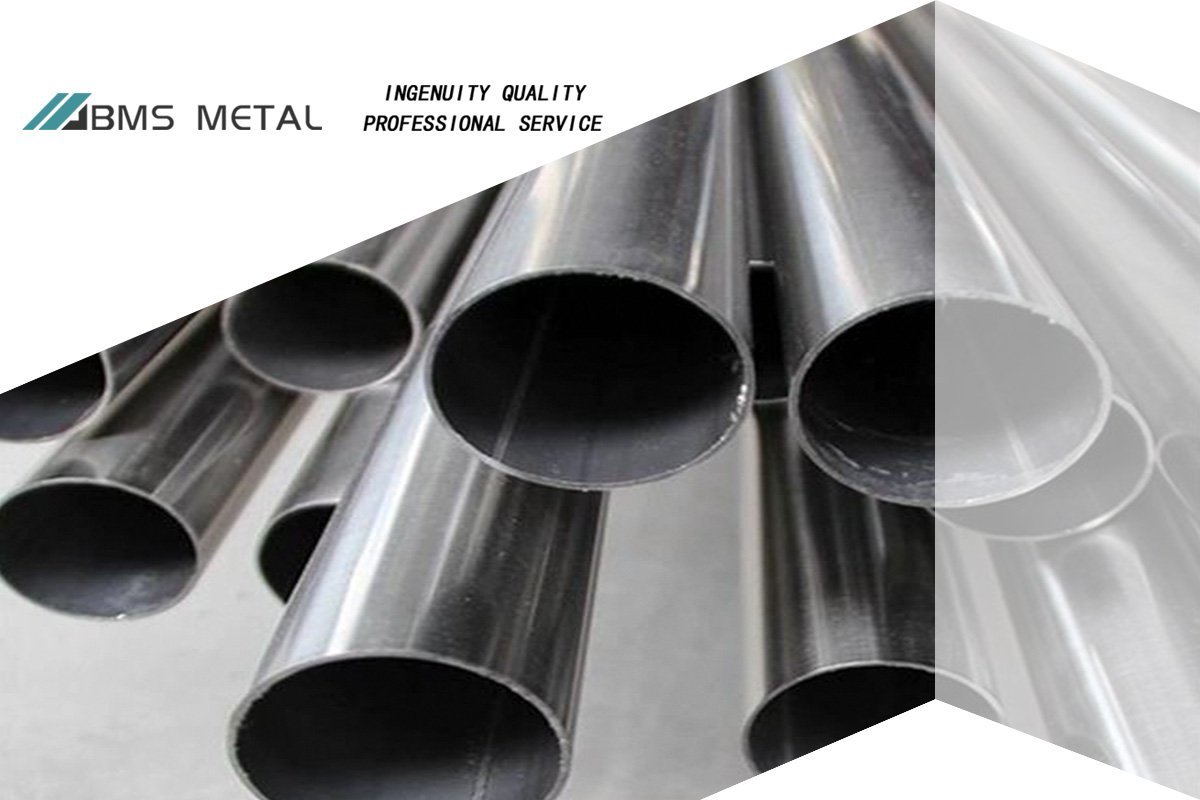
1.4922 seamless pipe, also known as X20CrMoV11-1, is a high-temperature resisting steel alloy known for its excellent mechanical properties and resistance to oxidation at elevated temperatures. This pipe is commonly used in industries such as power plants, petrochemical, and steam boiler construction.
Chemical Composition
Detailed Chemical Breakdown
The chemical composition of 1.4922 seamless pipe is critical to its performance in high-temperature environments. The primary elements include:
| Element | Composition (%) |
| Carbon (C) | 0.17-0.23% |
| Silicon (Si) | 0.50% max |
| Manganese (Mn) | 1.00% max |
| Phosphorus (P) | 0.025% max |
| Sulfur (S) | 0.015% max |
| Chromium (Cr) | 10.0-12.5% |
| Molybdenum (Mo) | 0.80-1.20% |
| Nickel (Ni) | 0.80% max |
| Vanadium (V) | 0.25-0.35% |
Physical Properties
Mechanical Properties
| Density: | 7.7 kg/dm³ |
| Hardness: | HV 590 max |
| 0.2% Yield Strength: | 500 MPa min |
| Tensile Strength: | 690-840 MPa |
| Elongation: | 15-16% min |
| Impact Energy: | ≤ 40 J |
Temperature Performance
High-Temperature Characteristics
1.4922 seamless pipes perform exceptionally well under high temperatures, making them suitable for applications involving extreme heat. Key temperature characteristics include:
- Operating Temperature Range: 14°F to 1112°F
- Scaling Resistance: Up to 1112°F
Applications
Common Uses
The unique properties of 1.4922 seamless pipes make them ideal for:
- Power Plants: Used in high-pressure boiler tubes and components.
- Petrochemical Industry: Essential for equipment that operates under high stress and temperature.
- Steam Boiler Construction: Vital for parts exposed to extreme temperatures and pressures.
Standards and Certifications
Compliance and Standards
1.4922 seamless pipes adhere to several international standards, ensuring their quality and reliability in various industrial applications:
- DIN EN 10216-2: Seamless steel tubes for pressure purposes.
- DIN 10088-1: Stainless steels.
- ASTM Standards: Various ASTM specifications applicable to high-temperature alloys.
Processing and Forming
Manufacturing Process
1.4922 seamless pipes can be processed through several methods, including:
- Cold Forming: Conditioned for excellent formability.
- Welding: Well-suited for manual arc, protective gas, and WIG welding techniques.
Additional Information
- High-Temperature Resistance: Maintains structural integrity under extreme heat.
- Oxidation Resistance: Prevents scaling and degradation in high-temperature environments.
- Mechanical Strength: Offers high tensile and yield strength, ensuring durability and reliability.
Mechanical properties of tubes at elevated temperatures acc. to EN 10216-2 – the yield point
| · Temperature 200℃ | Rp0,2: >430 MPa |
| · Temperature 250-205℃ | Rp0,2: >415 MPa |
| · Temperature 300℃ | Rp0,2: >390 MPa |
| · Temperature 350℃ | Rp0,2: >380 MPa |
| · Temperature 400℃ | Rp0,2: >360 MPa |
| · Temperature 450℃ | Rp0,2: >330 MPa |
| · Temperature 500℃ | Rp0,2: >290 MPa |
| · Temperature 550℃ | Rp0,2: >250 MPa |
Limitations
- Cost: Higher material and processing costs compared to standard steel.
- Specialized Applications: Primarily used in industries requiring high-temperature performance, limiting its general use.
Conclusion
Why Choose 1.4922 Seamless Pipe?
1.4922 seamless pipe is a superior choice for applications demanding high strength, excellent temperature resistance, and durability. Its compliance with international standards ensures its suitability for critical industrial applications, making it a reliable and robust material for high-stress environments.
FAQ
What is 1.4922 material?
1.4922 is a high-temperature resisting steel alloy known for its mechanical properties and resistance to oxidation, commonly used in power plants, petrochemical, and boiler construction industries.
What is the standard for seamless pipe?
The standard for seamless pipes includes DIN EN 10216-2, which specifies seamless steel tubes for pressure purposes and elevated temperature properties.
Is ASTM A53 seamless pipe?
ASTM A53 covers seamless and welded black and hot-dipped galvanized steel pipe for the nominal (average) wall, but it is not specifically a high-temperature alloy like 1.4922.
What is the formula for seamless pipe?
The formula for calculating the wall thickness of seamless pipe typically involves the outer diameter (OD) and the inner diameter (ID), using the formula: Wall Thickness = (OD – ID) / 2.