


It’s essential to prevent corrosion of seamless stainless steel tubing in many industries to ensure safety, efficiency, and productivity. Choosing the right alloy, proper surface preparation, protective coatings, cathodic protection, and avoiding water entrapment helps maximize the life of steel pipes in corrosive environments. Regular inspections, monitoring, rinsing, and cleaning processes are necessary for maintenance. By using these strategies, seamless stainless steel tube can have a more extended lifespan and improved reliability in various industries.
Introduction
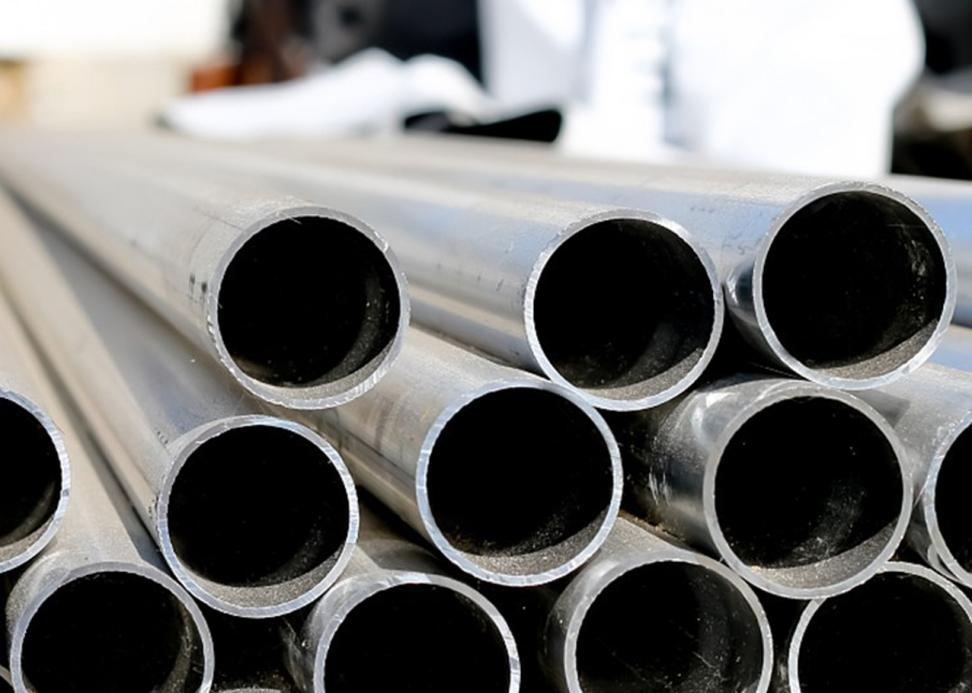
Seamless Stainless Steel Tubing is crucial in industries that need corrosion-resistant tubes. Corrosion can cause early line failure and pose a significant safety risk, especially when transporting hazardous or toxic fluids. Maximizing the lifespan of seamless stainless steel tubing in corrosive environments is vital and requires a solid strategy.
Understanding corrosion in seamless stainless steel tubing
Definition of Corrosion on
Corrosion of seamless stainless steel tubing can occur in various forms. Corrosion can result in rust and pitting that can further lead to leaks or ruptures, impacting the structural integrity of the tubing.
Types of corrosion on steel pipes
Steel tubing can be subject to corrosion, which has three common forms: uniform corrosion, pitting corrosion, and crevice corrosion. Uniform corrosion is easily noticeable and appears evenly across the tubing’s surface. Pitting corrosion is identified by small pits or depressions, localized on the surface. Crevice corrosion occurs when corrosive agents accumulate in the spaces between the tubing and adjacent surfaces, commonly found at joints or welds.
Corrosion protection for seamless stainless steel tubing
Proper Alloy Selection
To prevent corrosion of seamless stainless steel pipe, choosing the right alloy is critical. The most commonly used alloys are the 300 series (e.g., 304, 316) and 400 series (e.g., 434, 444) stainless steel alloys. The 300 series alloys have high resistance to corrosion, making them ideal for severe corrosive environments where exposure to various acids and environments is expected. The 400 series alloys are suitable for low to moderate corrosive environments owing to their excellent resistance to heat, oxidation, and corrosion.
Surface Preparation Techniques
Effective surface preparation is essential to ensure the smoothness and cleanliness of the tubing surface. Even the smallest impurities or contaminants trapped on the surface can lead to corrosion. Techniques such as cleaning, sandblasting, passivation, and chemical cleaning are used to prepare the surface.
Protective Coatings
Protective coatings act as a physical barrier between the tubing’s surface and the corrosive environment. Some common coatings include inorganic or organic materials or a combination of both. The selection of coatings depends on the corrosive environment and the application.
Cathodic Protection
Cathodic protection is another technique used to prevent corrosion in steel tubing. This involves adding an anode, which is a more sacrificial metal or material connected to the tubing through a conductor. The electrons are then transferred from the protected metal to the anode, which prevents corrosion from occurring on the tubing.
Preventing Water Lock
Water entrapment can accelerate corrosion by allowing water to accumulate in enclosed spaces. Designing the tubing system appropriately to allow for proper drainage can prevent trapping the water and eliminate the possibility of corrosion.
Monitoring and maintenance of seamless stainless steel tubes
Regular inspection and monitoring
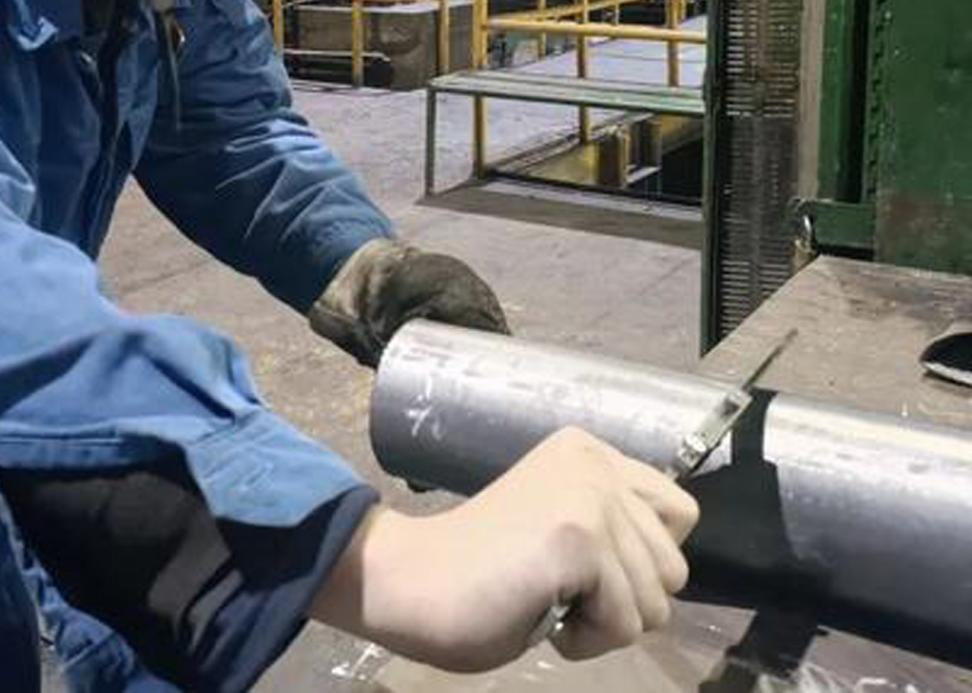
Regularly inspecting and monitoring the condition of seamless stainless steel tubing can help detect corrosion and damage early. It’s important to establish an inspection routine and adhere to it regularly. Additionally, documenting procedures for repairing or replacing damaged sections is crucial to ensure a timely response and prevent more severe damage.
Flushing and Cleaning Procedures
Flushing and cleaning procedures can help mitigate the buildup of corrosive agents or contaminants on the tubing surface. This helps prevent the onset of corrosion and improves the tubing’s service life.
Practical Applications to Maximize the Life of Seamless Stainless Steel Tubing
Many industries rely on seamless stainless steel tubing for service in corrosive environments. Examples include the chemical, petrochemical, food, medical and pharmaceutical industries. In these industries, corrosion resistance is critical to ensure safety, efficiency and productivity.
Choosing the Right Materials
Selecting the appropriate materials is essential to ensure that hoses can withstand corrosive conditions and elevated temperatures. When choosing stainless steel type, size, and grade, it’s crucial to consider the specific application environment. High-quality stainless steel has a higher chromium and molybdenum content, making it more resistant to corrosion.
Proper Installation
Properly installing seamless stainless steel tubing is crucial to ensure top performance. Before installation, cleaning the pipe, checking for damage, and removing any contamination is necessary. The fittings and connections must be appropriate and compatible with the tubing material during installation.
Periodic Maintenance
Performing periodic maintenance on seamless stainless steel tubing is vital to prevent corrosion and prolong its lifespan. Corrosion can result from moisture exposure, salt, and harsh chemicals. Regularly checking pipes for signs of corrosion or damage and cleaning them with a suitable cleaning agent is crucial.
Preventing Stress Corrosion
Stress corrosion cracking in stainless steel tubing results from both tensile stress and the environment’s effect on the tubing. To prevent stress corrosion cracking, it’s essential to reduce residual stresses, avoid exposure to harsh chemicals, and decrease chloride levels in the environment.
Proper Cleaning
Appropriately cleaning seamless stainless steel tubing is crucial to preventing corrosion. Using suitable cleaning agents and methods, the canals should be cleaned. After the cleaning process, sufficient rinsing is necessary to remove any cleaning solution residues.
Prevention of Galvanic Corrosion
Galvanic corrosion happens when two dissimilar metals are in contact in a corrosive environment. To prevent galvanic corrosion, it is crucial to use compatible materials for fittings and connections that come into contact with the tube. Materials with different potential can cause a reaction that leads to corrosion.
Protection against Abrasion and Wear
Seamless stainless steel tubing can experience wear and abrasion in some applications. To avoid abrasion and wear, protective coatings can be applied to the tubes. Choosing harder materials can also minimize the effects of abrasion and wear on the hoses.
Conclusion
To maximize the life of seamless stainless steel tubing in corrosive environments, careful attention is necessary, including proper alloy selection, surface preparation techniques, protective coatings, protective cathode, water entrainment prevention, and regular monitoring and maintenance procedures. Implementing these strategies can significantly enhance the longevity and reliability of seamless stainless steel tubing in corrosive environments.