

Introduction
Stainless steel sheets and plates are two commonly used forms of stainless steel in various industries and applications. While they share similarities, there are distinct differences between the two. This article aims to shed light on the dissimilarities and help readers understand the unique characteristics and potential benefits of each form. By delving into both the pros and cons, individuals can make informed decisions when choosing between stainless steel sheets and plates.
Stainless Steel Sheets
Definition and Composition
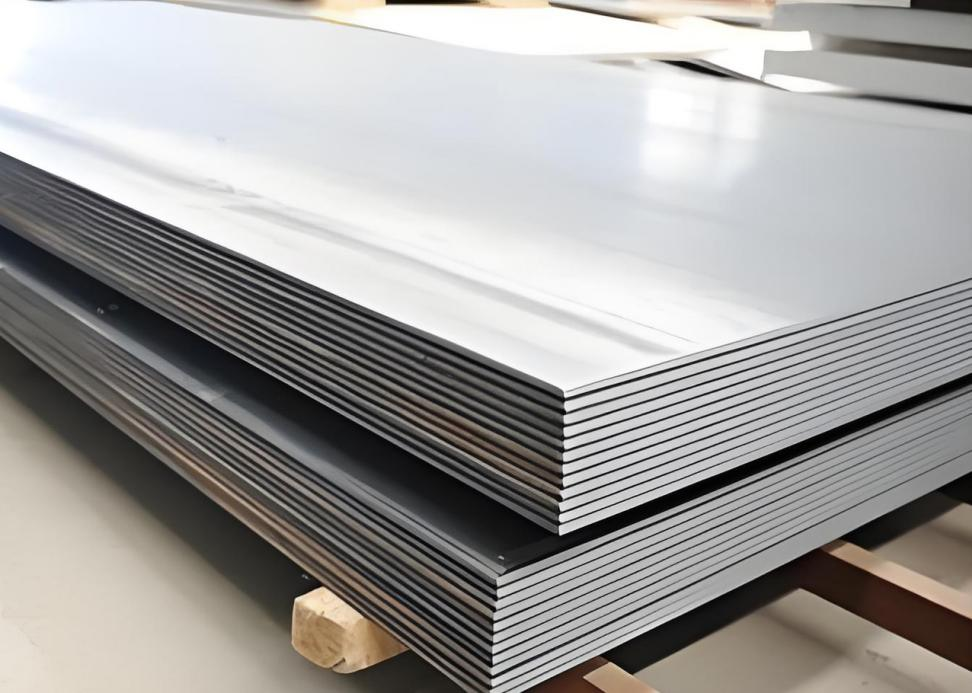
Stainless steel sheets are flat, thin pieces of stainless steel.
They are primarily composed of a steel alloy combined with chromium, providing corrosion resistance and durability.
Excellent corrosion resistance
One of the key advantages of stainless steel sheets is their outstanding resistance to corrosion. This makes them highly suitable for a wide range of environments and applications. Whether used in coastal areas where exposure to saltwater is common or in chemical processing industries, stainless steel sheets provide reliable protection against corrosion, ensuring extended durability and longevity.
Aesthetic appeal
In addition to their functional benefits, stainless steel sheets offer an appealing visual aspect. The sleek and polished appearance of stainless steel sheets adds a touch of modernity and sophistication to any space. Whether used in kitchens, architectural designs, or interior décor, stainless steel sheets lend a contemporary and stylish look, enhancing the overall aesthetics of the environment.
Versatility and customization
Stainless steel sheets are incredibly versatile and can be easily shaped and fabricated to meet specific requirements. Whether you need them in standard sizes or customized shapes, stainless steel sheets can be tailored to fit your project. This flexibility allows for seamless integration into various applications, ranging from household appliances to industrial equipment or decorative installations. The ability to achieve precise dimensions and configurations makes stainless steel sheets a preferred choice for many design and construction projects.
Cons of Using Stainless Steel Sheets
Higher cost
While stainless steel sheets offer significant advantages, one drawback is their relatively higher cost compared to other materials. The quality and durability of stainless steel come at a premium, which may pose budgetary constraints for some projects. It’s important to evaluate the cost-benefit ratio and consider the long-term benefits of corrosion resistance and longevity when factoring in the initial investment.
Scratches and dents
Like any metallic surface, stainless steel sheets can be susceptible to scratches and dents, particularly in high-traffic areas or environments with heavy use. Regular maintenance and care are necessary to preserve the pristine appearance of stainless steel sheets. This may involve periodic polishing or using protective measures to minimize the risk of damage. However, it’s worth noting that some minor scratches can contribute to the aesthetic charm of stainless steel, creating a unique patina over time.
Thermal conductivity
Stainless steel sheets have high thermal conductivity, which means they can become hot when exposed to heat for an extended period. This poses a potential risk of burns or discomfort, especially in applications where direct contact with the material is likely. Proper insulation or protective measures can mitigate this concern and ensure safe utilization of stainless steel sheets in heat-sensitive environments.
Stainless Steel Plates
Definition and Composition
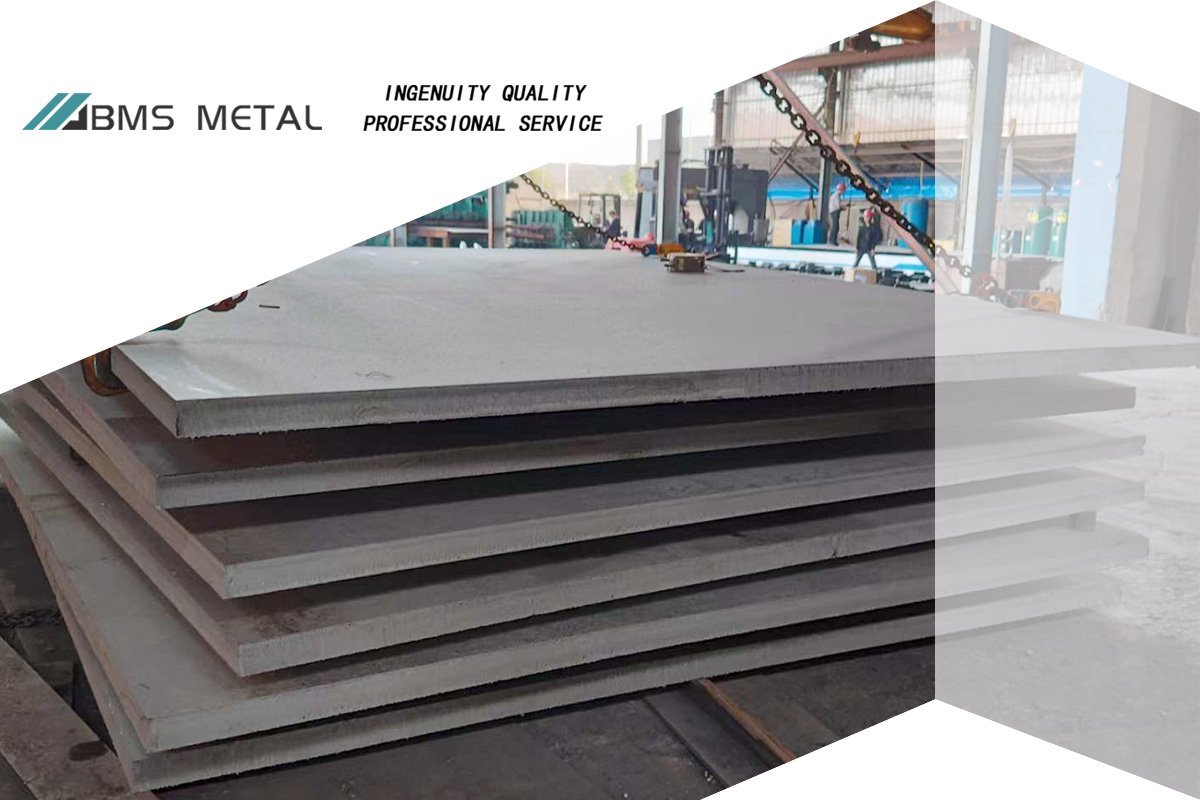
Stainless steel plates are thicker and heavier than stainless steel sheets.
They are also primarily composed of a steel alloy combined with chromium, providing similar corrosion resistance and durability.
Superior strength and durability
Stainless steel plates are renowned for their exceptional strength and durability, surpassing that of stainless steel sheets. This attribute makes them highly suitable for heavy-duty applications where robustness is crucial. Whether it’s for industrial equipment, structural components, or machinery, stainless steel plates provide reliable strength and long-lasting performance.
Structural support
The thickness of stainless steel plates makes them an ideal choice for structural support in construction and engineering projects. Their ability to withstand heavy loads and provide stability makes them invaluable in applications that require substantial structural integrity. From bridges and buildings to offshore platforms and infrastructure projects, stainless steel plates offer a reliable and durable solution for providing structural support.
Excellent heat resistance
Stainless steel plates possess excellent heat resistance, making them well-suited for high-temperature environments and equipment. They can withstand the thermal stress and exposure to extreme heat without warping, cracking, or deteriorating. This characteristic makes stainless steel plates a preferred choice in industries such as petrochemical, power generation, and food processing, where heat resistance is paramount.
Cons of Using Stainless Steel Plates
Higher cost and weight
Compared to stainless steel sheets, plates generally come with a higher price tag and are heavier in weight. These factors can limit their suitability for certain applications that have budget constraints or require lightweight solutions. It’s essential to consider the cost-effectiveness and the weight-bearing capacity requirements of a project to determine whether stainless steel plates are the most practical option.
Fabrication complexity
The thickness and weight of stainless steel plates can pose challenges during shaping and fabricating processes. Specialized machinery and techniques are often required due to the increased difficulty in manipulating thicker materials. This could lead to higher fabrication costs and longer production times. It’s important to factor in these complexities when considering stainless steel plates for specific design or manufacturing purposes.
Maintenance requirements
Just like stainless steel sheets, plates also require regular maintenance to prevent scratches and dents. Due to their larger surface areas, stainless steel plates may be more susceptible to damage, requiring diligent care and preservation. Regular cleaning, protective measures, and routine inspections are necessary to maintain the polished appearance and prevent corrosion or surface imperfections.
Choosing Between Stainless Steel Sheets and Plates
When choosing between stainless steel sheets and plates, there are a few key factors to consider to ensure you make the right decision for your specific needs.
Consider the application
The first step is to determine the specific requirements of your intended application. If your project requires strength, durability, or structural support, stainless steel plates might be the better choice. Plates offer superior strength and can withstand heavier loads, making them ideal for construction or engineering projects. On the other hand, if weight is a concern or you need a more flexible material, stainless steel sheets provide a lightweight option without compromising on corrosion resistance.
Assess the budget
Another important factor to consider is your budget. Stainless steel plates are generally more expensive than sheets due to their heavier gauge and increased material requirements for manufacturing. If budget constraints are a consideration, sheets may be a more cost-effective option.
Evaluate aesthetic preferences
The aesthetic appeal of the finished project is another aspect to think about. Stainless steel sheets have a sleek and polished appearance that adds a modern and sophisticated touch. If visual appeal is an important factor, sheets might be the better choice. On the other hand, if your project’s aesthetic requires a more industrial or structural look, stainless steel plates with their thicker and heavier appearance may align better with your desired outcome.
By considering the specific requirements of your application, assessing your budget limitations, and evaluating your aesthetic preferences, you can make an informed decision on whether stainless steel sheets or plates are the most suitable choice for your project.
Conclusion:
Stainless steel sheets and plates offer unique advantages and disadvantages, making the choice between the two dependent on specific needs and requirements. While sheets excel in corrosion resistance, aesthetic appeal, and versatility, plates provide superior strength, durability, and heat resistance. By carefully considering the pros and cons discussed, individuals can make informed decisions when selecting between stainless steel sheets and plates for their projects.