


Introduction:
Cutting stainless steel plates requires proper techniques to ensure both safety and efficiency. Stainless steel is a strong and durable material commonly used in various industries such as construction, manufacturing, and fabrication. However, its hardness and composition can make it challenging to cut without the appropriate knowledge and tools.
This comprehensive guide aims to provide you with a thorough understanding of the techniques and considerations involved in cutting stainless steel plates. By following the guidelines outlined here, you will be able to achieve clean, precise cuts while prioritizing safety throughout the process.

Importance of Proper Techniques for Cutting Stainless Steel Plates:
Using the correct cutting techniques is crucial when working with stainless steel plates. Improper cutting methods can result in jagged edges, warping, excessive heat generation, and even damage to the cutting tools. Furthermore, neglecting safety measures can lead to accidents, injuries, or damage to the work environment.
By employing the right methodologies and taking the necessary precautions, you can mitigate these challenges and achieve smooth, accurate cuts in stainless steel plates. This not only enhances the structural integrity and aesthetic appeal of the final product but also minimizes waste and optimizes the efficiency of your cutting operations.
Overview of the Guide’s Purpose:
The purpose of this guide is to provide you with a comprehensive reference for safely and efficiently cutting stainless steel plates. Whether you are a professional fabricator, a DIY enthusiast, or someone working with stainless steel for the first time, this guide is designed to equip you with the knowledge and techniques needed to achieve successful results.
Throughout the guide, we will cover various aspects of the cutting process. This includes understanding the properties of stainless steel plates, preparing for cutting, different cutting techniques and tools, troubleshooting common challenges, safety precautions, and exploring advancements in cutting technology.
By the end of this guide, you will have a solid foundation for cutting stainless steel plates effectively and with confidence. So let’s dive in and explore the world of cutting stainless steel plates safely and efficiently.
Understanding Stainless Steel Plates
Properties and Characteristics of Stainless Steel:
Before delving into the cutting techniques, it is important to understand the properties and characteristics of stainless steel. Stainless steel is primarily composed of iron, chromium, and other elements, which give it exceptional corrosion resistance and durability. Some of the key properties of stainless steel plates include:
- Corrosion Resistance: Stainless steel plates resist rust and corrosion, making them ideal for applications in harsh environments.
- Strength and Durability: Stainless steel plates maintain their structural integrity even in demanding conditions.
- Heat Resistance: Stainless steel plates can withstand high temperatures, making them suitable for various temperature-dependent applications.
- Work Hardening: Stainless steel has a tendency to work harden during the cutting process, requiring appropriate cutting techniques to avoid excessive tool wear.
Common Applications of Stainless Steel Plates:
Stainless steel plates find extensive use in a wide range of industries due to their versatility and reliability. Some common applications include:
Construction:
Stainless steel plates are used in structural components, cladding, roofing, and decorative elements in both residential and commercial buildings.
Manufacturing:
Stainless steel plates serve as raw materials for manufacturing machinery, equipment, and components across different industries.
Food Processing:
Stainless steel plates meet strict hygiene standards and are employed in equipment and surfaces used in the food processing industry.
Chemical and Pharmaceutical:
Stainless steel plates are utilized in the production of chemical reactors, storage tanks, and pharmaceutical equipment due to their resistance to corrosive substances.
Automotive:
Stainless steel plates are incorporated in various automotive components, such as exhaust systems, body panels, and trim.
Preparing for the Cutting Process
Safety Considerations and Personal Protective Equipment (PPE):
Before cutting stainless steel plates, it is crucial to prioritize safety and take the necessary precautions. Here are some key safety considerations to keep in mind:
- Remove flammable materials: Clear the cutting area of any flammable materials, such as paper, rags, and solvents, to avoid fire hazards.
- Ensure proper ventilation: Cutting stainless steel plates produces fumes and particles. Therefore, it is important to work in a well-ventilated area or use local exhaust ventilation systems to prevent inhalation of hazardous materials.
- Wear appropriate personal protective equipment (PPE): Always wear the right PPE to protect yourself during the cutting process. This should include safety glasses or goggles, a face shield, ear protection, gloves made of cut-resistant material, and protective clothing.
Choosing the Right Tools and Equipment:
Selecting the appropriate tools and equipment is essential for achieving clean and accurate cuts. Here are some key factors to consider:
3.2.1 Cutting method: Determine the most suitable cutting method for your specific needs. Common methods for cutting stainless steel plates include plasma cutting, laser cutting, waterjet cutting, and mechanical cutting with tools such as shears or saws.
3.2.2 Cutting blades or discs: If using mechanical cutting tools, choose high-quality blades or discs specifically designed for cutting stainless steel. Opt for blades with a high tooth count to ensure smoother cuts and reduce the risk of work hardening.
3.2.3 Cutting machine or equipment: Select a cutting machine or equipment that is capable of handling stainless steel plates’ thicknesses and sizes. Ensure that it has proper safety features and is in good working condition.
Securing the Workpiece and Creating a Stable Cutting Environment:
To ensure precise and safe cutting, it is necessary to secure the workpiece and create a stable cutting environment. Here are some important considerations:
Workbench or cutting surface:
Place the stainless steel plate on a sturdy workbench or cutting surface. Ensure that the surface is clean, level, and capable of supporting the weight of the workpiece.
Clamping or securing the workpiece:
Use clamps or vices to firmly secure the stainless steel plate in place. This prevents movement or vibration during the cutting process, resulting in cleaner and safer cuts.
Marking and measuring:
Clearly mark the desired cut line on the stainless steel plate using a suitable marker or scribe. Double-check your measurements to ensure accuracy before proceeding with the cutting process.
Lighting:
Ensure that the cutting area is well-lit to improve visibility and enhance precision. Use additional lighting if necessary.
Techniques for Cutting Stainless Steel Plates
Manual Cutting Methods:
When it comes to cutting thin stainless steel plates, manual cutting methods can be effective and practical. These methods involve the use of hand tools such as snips, shears, and nibblers. By employing these tools correctly, you can achieve precise and controlled cuts without the need for power tools. We will discuss the proper techniques for using snips, shears, and nibblers, as well as the safety precautions to be observed.
Hand Tools: Snips, Shears, and Nibblers:
Snips, shears, and nibblers are commonly used hand tools for cutting stainless steel plates. Each tool has its specific applications and benefits. We will explore the features and advantages of each tool, providing step-by-step instructions on how to utilize them effectively. Additionally, we will emphasize the importance of wearing safety goggles and gloves to protect yourself during the cutting process.
Hacksaws and Reciprocating Saws:
For cutting stainless steel plates that are thicker or require more aggressive cutting, hacksaws and reciprocating saws can be employed. Unlike hand tools, these power tools utilize specialized blades to cut through the tough stainless steel. We will discuss the differences between hacksaws and reciprocating saws, guide you in selecting the right blades, and provide instructions on how to safely and efficiently cut stainless steel plates using these tools.
Plasma Cutting: Process and Safety Precautions:
Plasma cutting is an advanced method that offers versatility and efficiency when cutting stainless steel plates. By utilizing a high-temperature plasma arc, this technique allows for precise and rapid cuts through various thicknesses of stainless steel. We will explain the plasma cutting process, including the necessary safety precautions such as proper ventilation and protective clothing. Furthermore, we will provide a comprehensive guide on setting up and adjusting a plasma cutting machine, along with step-by-step instructions for cutting stainless steel plates using a plasma cutter.
Machine-Assisted Cutting Methods:
CNC Plasma Cutting:
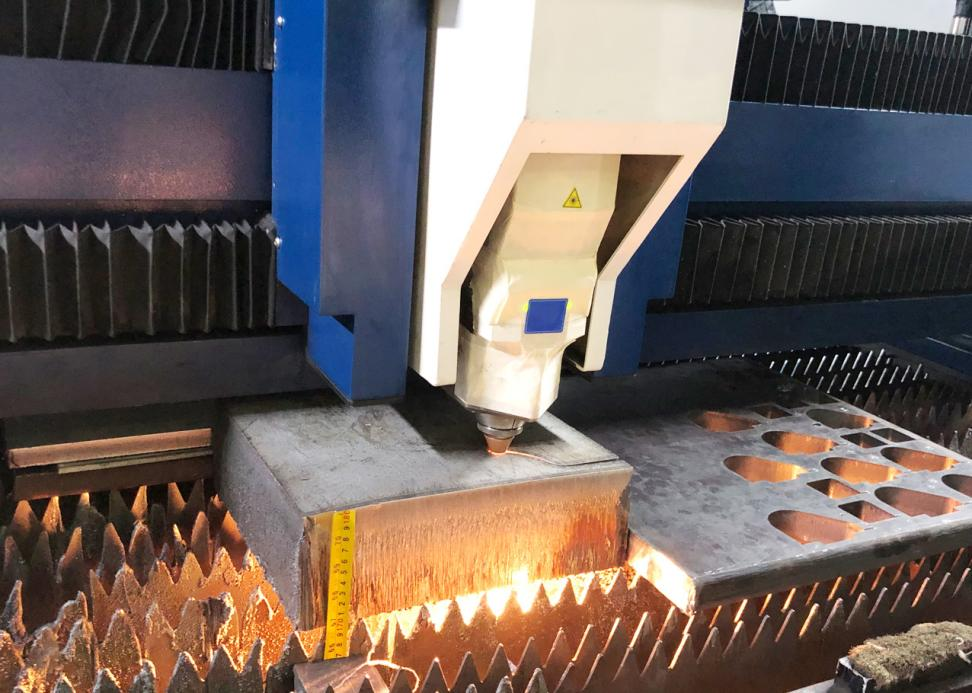
CNC (Computer Numerical Control) plasma cutting is a highly efficient and precise method for cutting stainless steel sheets/plates. It involves using a computer-controlled plasma torch to cut through the metal with high-velocity ionized gas. We will discuss the benefits of CNC plasma cutting, the process involved, and the necessary safety precautions. Additionally, we will provide an overview of the equipment required and guide you through the programming and operation of a CNC plasma cutting machine.
Laser Cutting:
Laser cutting is another machine-assisted technique that offers exceptional precision and speed when cutting stainless steel plates. This method employs a high-powered laser beam to melt and vaporize the material, resulting in clean and accurate cuts. We will explore the advantages of laser cutting, explain how laser cutting machines work, and outline the safety measures that should be taken during the process. Furthermore, we will provide guidelines for setting up and operating a laser cutting machine effectively.
Waterjet Cutting:
Waterjet cutting utilizes a high-pressure jet of water mixed with abrasive particles to cut through stainless steel plates. This method is ideal for materials that are sensitive to high temperatures and require minimal distortion. We will discuss the benefits of waterjet cutting, the equipment involved, and the safety precautions to be followed. Moreover, we will outline the process of setting up and operating a waterjet cutting machine, providing tips for achieving precise and efficient cuts.
Tips for Safe and Efficient Cutting
Marking and Measuring: Ensuring Accuracy in the Cutting Process
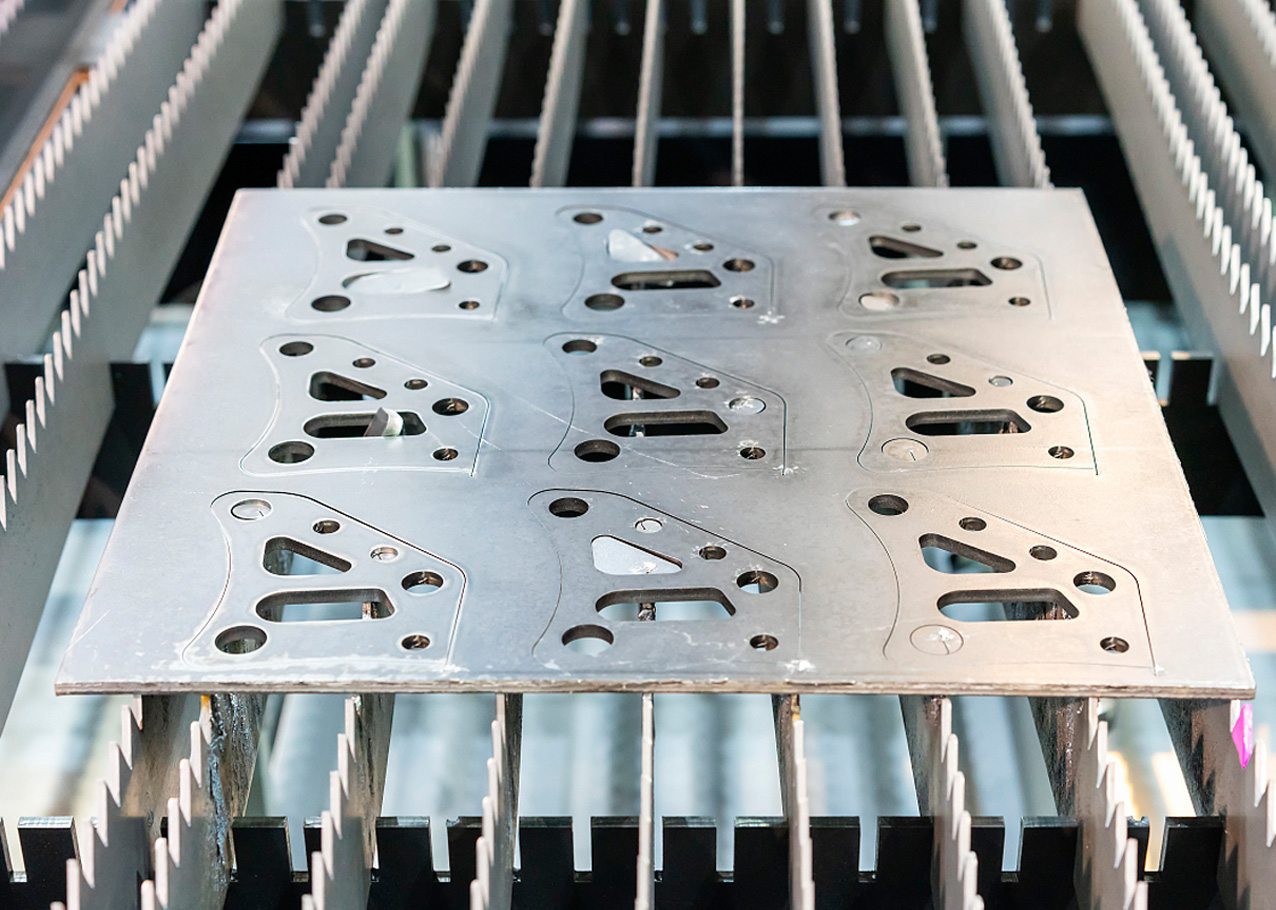
Before starting the cutting process, it is crucial to mark and measure the stainless steel plates accurately. Use a scribe or a high-quality marker to make clear and precise marks on the plates. Utilize measuring tools such as rulers or tape measures to ensure proper alignment and dimensions. Double-check the markings to avoid any potential errors that could affect the quality of the finished cuts.
Proper Blade Selection or Cutting Parameters for Machines
Selecting the right blade or setting the appropriate cutting parameters for machines is essential for efficient cutting. Consider the thickness and type of stainless steel plates being cut, as well as the equipment being used. Consult with professionals or refer to manufacturer guidelines to determine the suitable blade type, tooth count, and cutting speed. Using improper blades or incorrect cutting parameters can lead to inefficiency, damage to the plates, or even safety hazards.
Cooling and Lubrication Techniques to Prevent Overheating
Stainless steel is known for its heat-resistant properties, but prolonged cutting can generate excessive heat and potentially damage the plates or the cutting tools. Employ cooling and lubrication techniques to prevent overheating during the cutting process. Coolants, such as cutting oils or coolants specifically designed for stainless steel, can be applied to the cutting area. These substances reduce heat buildup, increase tool life, and improve overall cutting efficiency. Regularly monitor the coolant levels and ensure they are replenished as needed.
Minimizing Vibrations and Material Distortion
Vibrations and material distortion are common challenges when cutting stainless steel plates. Minimizing these issues is crucial for achieving precise and accurate cuts. Use clamps or secure the plates firmly to minimize vibrations during the cutting process. Additionally, choose appropriate cutting speeds and feed rates that reduce potential vibrations. Consider using specialized cutting techniques like plunge cutting or using supports to minimize material distortion.
Post-Cutting Considerations
Removing Burrs and Sharp Edges
After the cutting process, it’s common for stainless steel plates to have burrs and sharp edges. These can not only affect the aesthetics of the final product but also pose safety hazards. Use a deburring tool or an abrasive grinding wheel to carefully remove the burrs and smooth out the edges. Take caution to avoid altering the dimensions or shape of the cut piece during this process. Periodically inspect the edges to ensure all burrs have been adequately removed.
Cleaning and Deburring the Cut Surface
To achieve a clean and professional finish, it’s essential to clean and deburr the cut surface of stainless steel plates. Start by removing any debris or loose particles left from the cutting process, using a brush or compressed air. Next, use a deburring tool or a sanding block to smooth out any rough areas or imperfections on the surface. This step ensures a visually appealing finished product and reduces the risk of corrosion around the cut edges.
Inspecting for Quality and Precision
Once the burrs have been removed and the cut surface is cleaned, it’s time to inspect the stainless steel plates for quality and precision. Begin by visually examining the cuts to ensure they meet the desired specifications and dimensions. Use measuring tools such as calipers or rulers to verify the accuracy of the cut dimensions. Check for any signs of distortion, warping, or irregularities that may affect the functionality or structural integrity of the cut piece. Address any quality issues promptly by re-cutting or seeking professional assistance if necessary.
Troubleshooting Common Challenges
Dealing with Warping and Distortion
Warping and distortion can occur during the cutting process of stainless steel plates due to the material’s unique properties. To minimize warping, try adjusting cutting speed and feed rate to prevent excess heat buildup. Consider using a coolant or lubricant to cool down the material during cutting. Additionally, ensure that the material is properly supported and secured to prevent bending or flexing. If warping or distortion occurs, evaluate the cutting parameters and adjust as necessary for future cuts.
Addressing Excessive Heat or Burning
Excessive heat and burning can affect the quality of the cut and may lead to material damage. To address this issue, use appropriate cutting tools specifically designed for stainless steel plates. Optimize cutting speed and feed rate to reduce heat generation. Consider using coolants or lubricants to dissipate heat during the cutting process. If burning occurs, check the tool for wear or damage and replace if necessary. It is also essential to ensure proper ventilation in the cutting area to prevent heat buildup.
Overcoming Cutting Tool Wear and Breakage
Cutting SS plates can be demanding on cutting tools, leading to wear and breakage. To overcome this challenge, choose high-quality cutting tools specifically designed for stainless steel. Implement proper tooling maintenance practices to ensure sharpness and durability. Monitor the cutting process for signs of tool wear, such as increased cutting forces or decreased cut quality. Replace worn or damaged tools promptly to ensure optimal cutting performance.
Safety Precautions and Best Practices
Proper Handling and Storage of Tools
To maintain a safe working environment, it is crucial to handle and store cutting tools properly. Follow these best practices:
1.Always wear appropriate personal protective equipment (PPE), including safety glasses, gloves, and a protective apron.
2.Use tools that are specifically designed for cutting stainless steel plates.
3.Inspect tools before use to ensure they are in good condition, free from defects or damage.
4.Handle tools with care, avoiding dropping or mishandling that could cause breakage or injury.
5.Store tools in a dry and secure location, away from moisture and potential damage.
Fire Safety Measures
Cutting stainless steel plates can generate heat and sparks, increasing the risk of fire. Follow these fire safety measures:
1.Clear the cutting area of any flammable materials or substances.
2.Keep a fire extinguisher nearby and ensure it is in good working condition.
3.Maintain proper ventilation to prevent a buildup of flammable gases or vapors.
4.Use a spark guard or flame-retardant curtain to contain sparks.
5.In case of emergency, have an evacuation plan in place and ensure all workers are aware of it.
Responsible Disposal of Cutting Waste
Proper disposal of cutting waste is essential for safety and environmental reasons. Follow these guidelines:
1.Collect and segregate cutting waste, such as leftover metal scraps and cooling fluids.
2.Use designated waste containers or bins that are fire-resistant and leak-proof.
3.If possible, recycle the stainless steel scraps to minimize environmental impact.
4.Dispose of cooling fluids according to local regulations and guidelines.
5.Train employees on responsible waste management and promote a clean work environment.
Advancements in Cutting Technology
Overview of Modern Techniques and Tools
Modern cutting techniques and tools offer enhanced precision, speed, and versatility. Here are some commonly used advancements:
Laser Cutting:
Utilizes a high-powered laser beam to melt or vaporize the stainless steel, resulting in a precise and clean cut. Laser cutting is known for its accuracy and ability to cut complex shapes.
Waterjet Cutting:
Utilizes a high-pressure stream of water mixed with abrasive particles to cut through stainless steel plates. Waterjet cutting is a versatile technique that allows for intricate designs and does not generate heat-affected zones.
Plasma Cutting:
Uses a high-temperature plasma arc to melt and remove metal from the stainless steel plates. Plasma cutting is suitable for thick stainless steel plates and offers faster cutting speeds.
CNC Machining:
Computer Numerical Control (CNC) machines automate the cutting process with programmed instructions. CNC machines offer high precision and can handle repetitive cutting tasks with efficiency.
Potential Benefits of Automation and Robotics
Automation and robotics have transformed the cutting process by introducing various benefits:
Increased Efficiency:
Automation eliminates the need for manual labor, allowing for faster and continuous cutting operations. Robots can work non-stop, reducing downtime and increasing productivity.
Enhanced Precision:
Automated machines and robots can consistently replicate programmed cutting patterns with high precision, ensuring accurate cuts every time.
Improved Safety:
By reducing human intervention, automation minimizes the risk of accidents and injuries. Robots can handle hazardous environments, such as high temperatures or exposure to fumes, ensuring worker safety.
Cost Savings:
Automation and robotics can lead to significant cost savings in the long run. With increased productivity and reduced labor requirements, businesses can optimize their resources and enhance profitability.
Conclusion
Cutting stainless steel plates safely and efficiently requires careful consideration of key factors. By emphasizing safety, efficiency, and quality throughout the cutting process, you can ensure a successful outcome for your projects. Implement the recommendations provided in this guide, and aim for continuous improvement in your cutting operations. By doing so, you will not only achieve exceptional results but also establish a safe and productive working environment. Remember, the journey to mastering the art of cutting stainless steel plates starts with a commitment to safety and a willingness to embrace modern techniques and technologies.