


Introduction
In the world of manufacturing and construction, choosing the right metal for a particular application is crucial. One material that stands out among the options is stainless steel. With its unique properties and versatility, stainless steel has gained immense popularity across various industries. However, it’s essential to understand how stainless steel compares to other metals to make an informed decision. This article aims to provide a comprehensive comparison between stainless steel and other commonly used metals, highlighting the key factors that differentiate them. By examining factors such as strength, corrosion resistance, cost-effectiveness, aesthetics, and environmental impact, we will uncover the advantages and limitations of stainless steel and shed light on when it outperforms other metals, and vice versa.
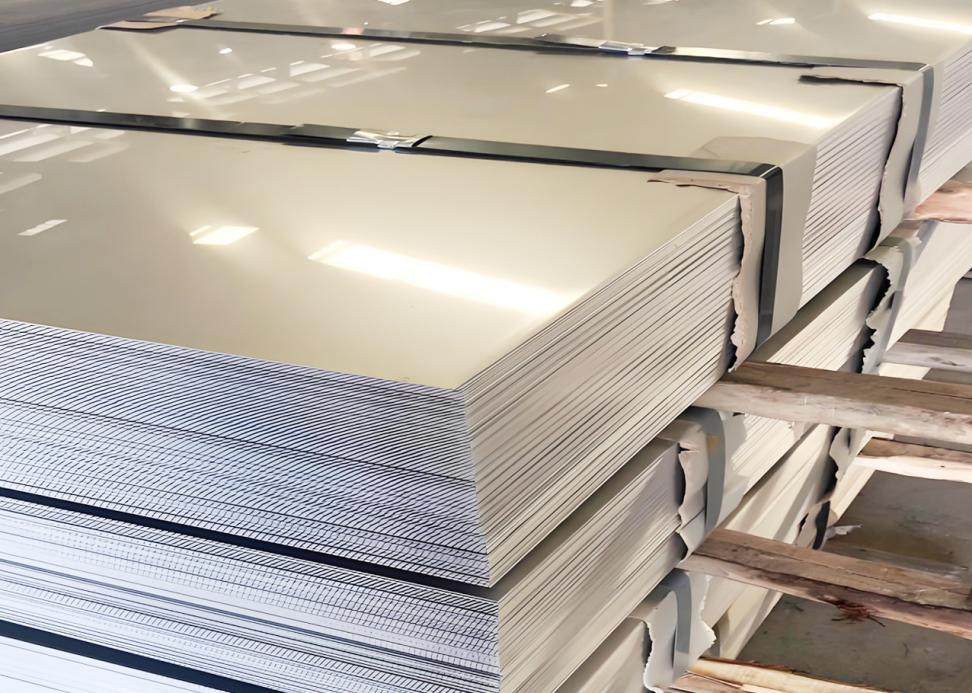
Strength and Mechanical Properties
Stainless steel is renowned for its exceptional strength and mechanical properties, which make it a popular choice in various industries. However, it is important to understand how stainless steel compares to other common metals in terms of strength and mechanical characteristics. In this comprehensive comparison, we will evaluate the strength and mechanical properties of stainless steel in contrast to other metals.
Tensile Strength:
Stainless steel exhibits high tensile strength, allowing it to withstand pulling forces without breaking or deforming. It typically provides higher tensile strength compared to non-ferrous metals such as aluminum, copper, and brass. However, some high-strength steels such as carbon and alloy steels may surpass stainless steel in terms of tensile strength.
Yield Strength:
When it comes to yield strength, stainless steel often outperforms non-ferrous metals. It can endure higher stress levels before permanent deformation occurs, making it suitable for applications requiring structural integrity. Carbon steels and some high-strength alloy steels may have comparable or even higher yield strength than stainless steel.
Hardness:
Stainless steel is known for its excellent hardness properties, providing resistance to scratching, indentation, and abrasion. In comparison to non-ferrous metals, stainless steel generally possesses higher hardness. However, certain metals and alloys, such as tool steels and some titanium alloys, exhibit even greater hardness than stainless steel.
Ductility:
Ductility refers to a material’s ability to undergo plastic deformation without fracturing. Stainless steel demonstrates good ductility, allowing it to be easily formed and fabricated. Non-ferrous metals like aluminum and copper typically exhibit greater ductility than stainless steel. However, compared to some high-strength steels, stainless steel generally offers higher ductility.
Fatigue Strength:
Stainless steel is recognized for its high fatigue strength, enabling it to resist failure under cyclic loading conditions. It tends to display superior fatigue strength when compared to non-ferrous metals such as aluminum, copper, and brass. However, certain high-strength steels can exhibit higher fatigue strength than stainless steel.
Corrosion Resistance
This comprehensive comparison explores and evaluates the corrosion resistance of stainless steel in comparison to other commonly used metals. By examining various factors such as chemical composition, passive film formation, environmental exposure, and corrosion rates, this study aims to provide a detailed understanding of how stainless steel performs in terms of corrosion resistance when compared to alternative metals.
Chemical Composition and Passive Film Formation:
Stainless steel possesses a high resistance to corrosion due to its unique chemical composition. The presence of elements such as chromium, nickel, and molybdenum enables stainless steel to form a protective passive film on its surface when exposed to oxygen. This passive film acts as a barrier that prevents further corrosion and enhances the overall corrosion resistance of stainless steel. In contrast, other metals like iron, aluminum, and copper may lack the same level of corrosion resistance due to the absence or insufficient formation of a protective film.
Environmental Exposure:
Stainless steel exhibits remarkable resistance to corrosion in a wide range of environmental conditions. It can withstand exposure to moisture, humidity, atmospheric gases, and even harsh chemicals. This makes stainless steel highly suitable for applications in marine environments, industrial settings, and outdoor structures. In contrast, other metals may experience various forms of corrosion, such as rusting, tarnishing, or pitting, when exposed to similar conditions.
Corrosion Rates:
Stainless steel demonstrates significantly lower corrosion rates compared to many other metals. Its ability to resist localized corrosion, such as pitting and crevice corrosion, is particularly noteworthy. This property ensures the longevity and durability of stainless steel in corrosive environments. On the other hand, alternative metals may exhibit higher corrosion rates and are more prone to localized corrosion, leading to reduced lifespan and potential structural integrity issues.
Galvanic Compatibility:
Stainless steel possesses good galvanic compatibility with a wide range of metals, minimizing the risk of galvanic corrosion when it comes into contact with dissimilar metals. This advantage allows for greater flexibility in design and installation, as stainless steel can be safely used in conjunction with other metals without compromising its corrosion resistance. However, other metals may experience accelerated corrosion when in contact with dissimilar metals, leading to potential galvanic corrosion concerns.
Cost-Effectiveness
This comprehensive comparison examines the cost-effectiveness of stainless steel in comparison to other commonly used metals. By evaluating factors such as initial costs, maintenance expenses, lifespan, recyclability, and long-term value, this study aims to provide a thorough understanding of how stainless steel fares in terms of cost-effectiveness when compared to alternative metals.
Initial Costs:
Stainless steel generally incurs higher initial costs compared to certain non-ferrous metals like aluminum, copper, and brass. However, when considering specific applications that require corrosion resistance, durability, or exacting specifications, the initial investment in stainless steel can be justified due to its superior performance and longer lifespan.
Maintenance Expenses:
Stainless steel exhibits low maintenance requirements, resulting in cost savings over its operational lifespan. Its inherent properties, such as corrosion resistance and high strength, reduce the need for frequent repairs, replacements, or protective coatings. In contrast, other metals may require more regular maintenance and upkeep, leading to additional expenses in the long run.
Lifespan:
Stainless steel is renowned for its exceptional durability and longevity. It has a longer operational lifespan compared to many other metals, thereby reducing the need for frequent replacements or upgrades. This extended lifespan contributes to the cost-effectiveness of stainless steel, as it minimizes lifecycle costs and provides long-term value.
Recyclability:
Stainless steel is highly recyclable, allowing for significant cost savings and environmental benefits. Its intrinsic value remains intact during recycling processes, making it economically feasible to recycle and reuse stainless steel. Additionally, the scrap value of stainless steel can offset initial costs or even generate profits, further enhancing the cost-effectiveness of using this material.
Long-Term Value:
When considering the overall cost-effectiveness, it is essential to evaluate the long-term value provided by stainless steel. Its superior performance in terms of corrosion resistance, strength, and durability often outweigh the initial investment. Substantial savings can be attained through reduced maintenance, extended product lifespan, and the value derived from its recyclability, making stainless steel a cost-effective choice in various applications.
Environmental Impact
This comprehensive comparison examines the environmental impact of stainless steel in comparison to other commonly used metals. By evaluating factors such as raw material extraction, manufacturing processes, energy consumption, greenhouse gas emissions, waste generation, and recyclability, this study aims to provide a thorough understanding of how stainless steel fares in terms of its environmental footprint when compared to alternative metals.
Raw Material Extraction:
Stainless steel primarily consists of iron, chromium, nickel, and other alloying elements. The extraction of these raw materials may have varying environmental impacts depending on the mining methods employed, as well as the associated energy and water consumption. Comparisons with other metals such as aluminum, copper, and gold reveal that stainless steel generally has a lower environmental impact in terms of raw material extraction.
Manufacturing Processes:
The manufacturing of stainless steel involves multiple stages, including melting, casting, rolling, and forming. While energy-intensive, stainless steel production is often carried out using advanced technologies that can minimize emissions and optimize material efficiency. Compared to certain metals like aluminum and titanium, stainless steel production generally exhibits lower greenhouse gas emissions and energy consumption per unit of material produced.
Energy Consumption:
While stainless steel production requires significant energy inputs, stainless steel products have a long lifespan and low maintenance requirements, resulting in lower energy consumption over the product’s life cycle. The higher durability and corrosion resistance of stainless steel compared to alternative metals can offset the initial energy investment, making it a more environmentally friendly choice in the long run.
Greenhouse Gas Emissions:
Stainless steel production contributes to greenhouse gas emissions, primarily through the consumption of energy and the release of carbon dioxide (CO2). However, when evaluating the life cycle greenhouse gas emissions, stainless steel’s durability and recyclability can significantly reduce its overall environmental impact. By contrast, other metals may exhibit higher emissions due to shorter lifespans and limited recyclability.
Waste Generation and Recyclability:
Stainless steel production generates relatively low levels of waste, with many manufacturing by-products being recycled or utilized. Stainless steel’s recyclability is a notable environmental advantage, with the material being recyclable indefinitely without loss of quality. Additionally, stainless steel scrap holds economic value, providing incentives for recycling and reducing the need for primary production.
Conclusion
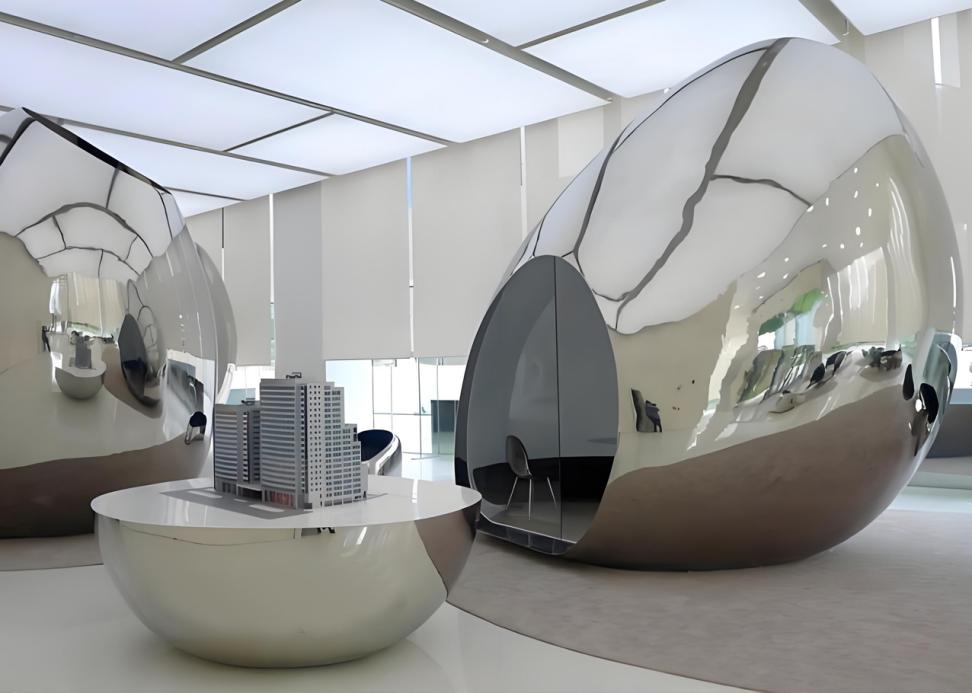
In conclusion, choosing the right metal for a specific application requires a careful consideration of various factors. Stainless steel, with its exceptional strength, corrosion resistance, cost-effectiveness, aesthetic appeal, and environmental benefits, excels in numerous areas. However, it is essential to acknowledge that other metals also possess unique properties and find their applications in specific industries. By understanding the strengths and weaknesses of stainless steel and comparing them to other metals, manufacturers, designers, and consumers can make well-informed decisions based on their specific requirements. Ultimately, this comparison serves as a guide to assist in determining the most suitable metal for diverse applications, ensuring optimal performance, durability, and satisfaction.