

Introduction
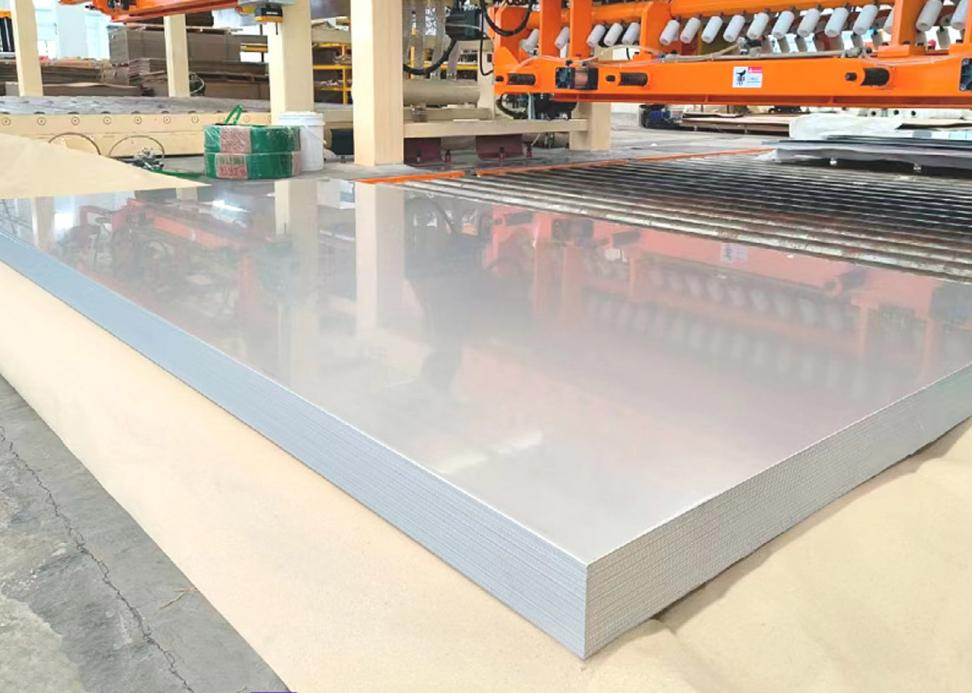
Stainless steel sheets are widely used in various industries and applications due to their exceptional durability, corrosion resistance, and aesthetic appeal. To ensure the longevity and pristine condition of stainless steel sheets, proper maintenance and regular cleaning are essential. This article will provide comprehensive guidelines on how to effectively maintain and clean stainless steel sheets, highlighting different techniques, products, and preventive measures.
Routine Maintenance of Stainless Steel Sheets
Regular Inspection and Cleaning Schedule:
Regularly inspect the stainless steel sheets to identify any signs of damage, stains, or corrosion. Develop a cleaning schedule based on the level of usage and environmental factors. High-traffic areas may require more frequent cleaning.
Avoiding Scratches and Surface Damage:
Prevent scratches by using non-abrasive cleaning tools such as soft microfiber cloths or nylon brushes. Avoid using steel wool or abrasive cleaners as they can cause damage to the surface of the stainless steel sheets.
Preventing Contamination and Chemical Exposure:
Protect stainless steel sheets from exposure to harsh chemicals, such as chlorine bleach or ammonia-based cleaners, as they can cause pitting or discoloration. Be cautious while using cleaning products near stainless steel surfaces to prevent accidental spills or splashes.
Protection against Environmental Factors:
1.Shield stainless steel sheets from excessive moisture, humidity, or direct sunlight, as these factors can lead to corrosion or discoloration. Apply protective coatings or films to provide an additional layer of defense against environmental elements.
2.Regularly wipe down stainless steel sheets with a damp cloth to remove dust, dirt, and smudges. If a more thorough cleaning is required, follow the techniques mentioned in the subsequent section on cleaning techniques.
3.By adhering to a proactive routine maintenance plan, you can help preserve the cleanliness and longevity of your stainless steel sheets. Remember to prioritize regular inspections, prevent scratches or surface damage, avoid chemical exposure, and protect against environmental factors.
Cleaning Techniques for Stainless Steel Sheets
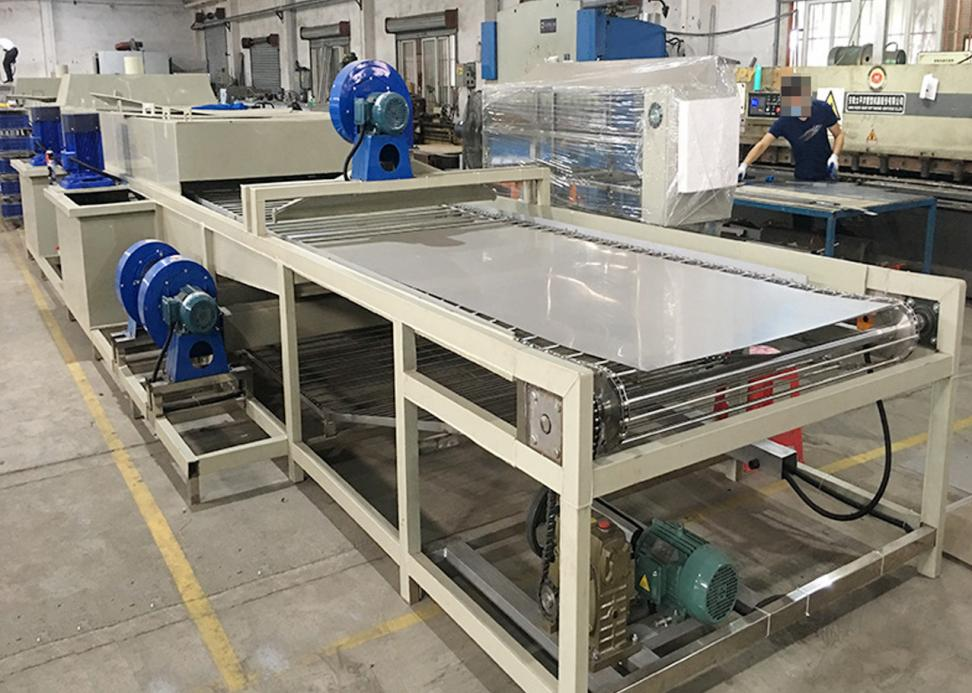
Cleaning stainless steel sheets properly is essential to maintain their appearance and prevent the build-up of dirt, grime, and stains. Here are some effective cleaning techniques:
Basic Cleaning with Mild Soap and Water:
1.Start by rinsing the stainless steel sheets with warm water to remove loose debris.
2.Dilute a mild dish soap or stainless steel cleaner in warm water.
3.Use a soft cloth, sponge, or non-abrasive brush to gently scrub the surface.
Rinse thoroughly with clean water and dry with a soft cloth to prevent water spots or streaks.
Removing Stubborn Stains with Non-abrasive Cleaners and Solvents:
1.For tougher stains or grease spots, you can use non-abrasive cleaners specifically designed for stainless steel.
2.Apply the cleaner to a soft cloth and rub the affected area in a circular motion.
3.Rinse with water and dry with a soft cloth to avoid any residue remaining on the surface.
4.Avoid using bleach or abrasive cleaners as they can damage the stainless steel.
Buffing and Polishing Stainless Steel Sheets:
1.For restoring shine and removing light scratches, use a stainless steel polish or a mixture of
2.vinegar and olive oil.
3.Apply the polish or mixture onto a soft cloth and rub it onto the stainless steel in the 4.direction of the grain.
5.Buff the surface gently until it regains its luster.
6.Wipe off any excess polish with a clean cloth.
Steam Cleaning and Pressure Washing:
1.In industrial or heavy-duty environments, steam cleaning or pressure washing can be effective.
2.Follow the manufacturer’s instructions for the appropriate equipment and settings.
3.Ensure that the steam or water pressure is not too high to avoid causing damage to the stainless steel.
4.After steam cleaning or pressure washing, dry the surface thoroughly to prevent water spots or streaks.
Cleaning Specific Stainless Steel Applications:
1.In kitchens, use stainless steel-specific cleaners to remove grease and food residues from appliances, countertops, and sinks.
2.For medical equipment, follow the manufacturer’s guidelines for cleaning and disinfecting to maintain hygiene and prevent contamination.
Cleaning Techniques for Stainless Steel Sheets
Stainless steel sheets are admired for their sleek appearance, but they can quickly lose their shine if not properly cleaned and maintained. Here are some effective cleaning techniques to keep your stainless steel sheets looking their best:
Basic Cleaning with Mild Soap and Water:
Start by wiping the surface of the stainless steel sheet with a soft cloth or sponge soaked in warm water and mild dish soap. Gently scrub the sheet, paying attention to any visible dirt or stains. Rinse thoroughly with clean water and wipe dry with a clean cloth. This simple method is suitable for regular maintenance.
Removing Stubborn Stains with Non-abrasive Cleaners and Solvents:
In case of stubborn stains or grease spots, you may need to use a non-abrasive cleaner or solvent. Apply the cleaner to a soft cloth or sponge and rub it in a circular motion over the stained area. Be sure to follow the manufacturer’s instructions. Then rinse the area with clean water, making sure no residue is left behind. Finally, dry and buff the sheet with a clean cloth to restore its shine.
Buffing and Polishing Stainless Steel Sheets:
Over time, stainless steel may develop scratches or lose its luster. Buffing and polishing can help restore its original shine. Before polishing, ensure the sheet is clean and dry. You can use a commercial stainless steel cleaner or make a simple homemade paste by mixing water and baking soda. Apply the cleaner or paste to a soft cloth and gently rub the surface in the direction of the grain (the brushed lines on the steel sheet). Rinse with water, and buff the sheet with a dry cloth for a brilliant finish.
Steam Cleaning and Pressure Washing:
For larger stainless steel surfaces or heavily soiled sheets, steam cleaning or pressure washing can be effective. Steam cleaning not only sanitizes the surface but also removes grime without the need for abrasive scrubbing. Pressure washing, on the other hand, utilizes a high-pressure stream of water to dislodge dirt and stains. Use caution when using pressure washers, as excessive pressure or using them too close to the sheet can cause damage. Always follow the manufacturer’s instructions and recommendations.
Cleaning Specific Stainless Steel Applications:
Different stainless steel applications may require specific cleaning approaches. For example, in the kitchen, stainless steel appliances like stovetops or refrigerators can be cleaned using specialized stainless steel cleaners. For stainless steel backsplashes, avoid acidic or abrasive cleaners that could damage the surface. In outdoor environments, like stainless steel railings or furniture, use mild cleaners and protect the surfaces with specialized stainless steel protectants to prevent corrosion caused by exposure to the elements.
Tips and Best Practices
Regular Cleaning:
1.Wipe the stainless steel sheets regularly with a soft, damp cloth to remove dirt and fingerprints.
2.Dry the sheets thoroughly using a clean cloth to prevent water spots or streaks.
Proper Techniques:
1.Clean stainless steel sheets(plates) following the direction of the grain (brushed lines) to maintain an even appearance.
2.Use gentle, non-abrasive cleaners specifically formulated for stainless steel surfaces.
3.Avoid scrubbing with abrasive materials like steel wool to prevent scratches.
Stain Removal:
1.Promptly clean spills and stains to prevent them from becoming difficult to remove.
2.Use mild detergent or specialized stainless steel cleaners and follow the instructions provided.
3.For tougher stains, create a paste using baking soda and water, apply it to the stain, and gently scrub with a soft cloth.
Avoid Damaging Substances:
1.Protect SS sheets from contact with harsh chemicals, including bleach or ammonia, as they can cause damage or discoloration.
2.Avoid using abrasive cleaners, acidic substances, or scouring pads that can scratch or corrode the surface.
3.Be cautious when using stainless steel cleaner sprays and read the labels to ensure they are suitable for your specific sheet type.
Regular Maintenance:
1.Inspect the stainless steel sheets periodically for any signs of damage, such as scratches, dents, or discoloration.
2.Apply a stainless steel protectant or polish after cleaning to maintain its shine and provide additional protection.
3.Use trivets or protective pads under hot pans or utensils to prevent heat damage and scratches.
4.Avoid placing sharp or rough objects directly on the surface of the sheets.
Conclusion:
Maintaining and cleaning stainless steel sheets is essential to preserve their appearance, functionality, and durability. By following the guidelines provided in this article, you can prevent stains, scratches, and corrosion while enhancing the beauty and longevity of your stainless steel surfaces. Remember to establish a regular cleaning schedule, avoid abrasive cleaners, and protect against harsh chemicals. With a proactive approach to maintenance and the use of appropriate cleaning techniques, your stainless steel sheets will continue to shine and provide long-lasting satisfaction.