

Introduction
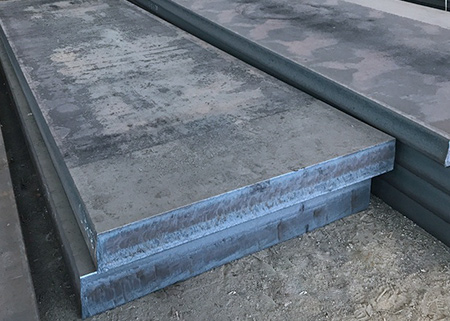
The requirements for stainless steel sheets in marine environments are unique within the steel industry, making the selection of the appropriate stainless steel grade crucial.
Requirements of Marine Environment for Stainless Steel Sheets
Corrosion Resistance
In marine environments, stainless steel sheets must exhibit outstanding corrosion resistance to withstand harsh conditions such as oxidation, salt spray, and seawater. According to national standards, the corrosion performance of stainless steel sheets should meet specific requirements, such as ASTM A240/A240M (American standard) or EN 10088-2 (European standard).
Oxidation Resistance
Stainless steel sheets in marine environments also require excellent oxidation resistance to resist the effects of oxygen. Key parameters for oxidation resistance include the formation and maintenance of protective oxide layers. Choosing the right grade of stainless steel ensures that it remains resistant to rust when exposed to the marine environment over extended periods.
Strength and Fatigue Resistance
Marine environments may involve dynamic factors like waves and tides, so stainless steel sheets must possess sufficient strength and fatigue resistance to ensure structural safety and stability. National standards typically specify mechanical performance requirements for stainless steel sheets, such as tensile strength and yield strength.
Importance of Choosing Stainless Steel Sheets Suitable for Marine Environment
Structural Safety
In marine engineering and shipbuilding, the choice of stainless steel sheets directly affects structural safety. Selecting stainless steel sheets suitable for the marine environment reduces the risk of corrosion, extending the service life of structures.
Cost-Efficiency and Maintainability
Choosing the correct stainless steel grade can also offer benefits in terms of cost-efficiency and maintainability. The right stainless steel sheets can reduce maintenance costs, decrease replacement frequency, and ultimately save funds.
Compliance with National Standards
Selecting stainless steel sheets that comply with national standards is crucial to ensuring project compliance. National standards guarantee material performance and quality, enhancing the reliability of engineering projects.
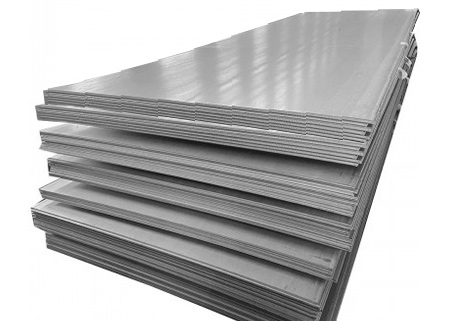
In the steel industry, choosing the appropriate stainless steel grade for marine environments is critical. Here are some key factors:
Corrosion Resistance
Influence of Chromium Content
Chromium is a key element for enhancing the corrosion resistance of stainless steel. Increasing chromium content improves the stainless steel’s oxidation resistance and corrosion resistance, making it more suitable for long-term exposure in marine environments. According to national standards, it is often recommended to use stainless steel with higher chromium content, such as 316 stainless steel, to ensure sufficient corrosion resistance in marine engineering.
Influence of Nickel Content
The nickel content also affects the corrosion resistance of stainless steel. Stainless steel with higher nickel content is more corrosion-resistant, especially in chloride environments. Materials with higher nickel content, like 316 stainless steel, are commonly used in marine applications requiring extremely high corrosion resistance.
Influence of Molybdenum Content
Molybdenum is another key element for improving the corrosion resistance of stainless steel. It enhances the stainless steel’s resistance to corrosion in acidic environments and chloride environments. Some specific marine environments may require stainless steel containing molybdenum, such as seawater desalination equipment.
Oxidation Resistance
Influence of Chromium Content
Chromium content also influences the oxidation resistance of stainless steel. The presence of chromium helps form a protective oxide layer, preventing further oxidation and rusting. Stainless steel suitable for marine environments should have a higher chromium content to ensure good oxidation resistance.
Influence of Nickel Content
Stainless steel with higher nickel content typically exhibits better oxidation resistance, maintaining a smooth surface in marine environments. This is crucial for reducing the accumulation of adherents and pollutants.
Influence of Molybdenum Content
Stainless steel containing molybdenum also excels in oxidation resistance, especially in acidic and high-temperature conditions. This is important for certain specialized marine applications.
Strength and Hardness
Influence of Carbon Content
Carbon content affects the strength and hardness of stainless steel. Stainless steel with lower carbon content is usually easier to process and bend but may lack sufficient strength in some cases. Higher-strength stainless steel may be required in marine engineering.
Influence of Molybdenum Content
Stainless steel containing molybdenum typically has higher strength, especially in high-temperature environments. This is crucial for applications that need to withstand high temperatures or pressures in marine environments.
Influence of Chromium Content
Chromium content can also affect the hardness of stainless steel. Stainless steel with higher chromium content generally has greater hardness. Stainless steel with higher hardness may be needed for applications in marine environments requiring wear resistance.
Common Stainless Steel Grades Suitable for Marine Environment 316L Stainless Steel Sheet
Features and Applications
316 stainless steel is commonly used in marine environments. It exhibits excellent corrosion resistance, making it particularly suitable for use in seawater and salt spray conditions. Applications include shipbuilding, marine engineering, seawater treatment equipment, and marine structures.
Chemical Composition and Performance
Element Content (%):
| Element | Chromium (Cr) | Nickel (Ni) | Molybdenum (Mo) | Manganese (Mn) | Silicon (Si) | Carbon (C) | Phosphorus (P) | Sulfur (S) | Iron (Fe) |
| Content (%) | 16-18 | 10-14 | 2-3 | ≤2 | ≤1 | ≤0.03 | ≤0.04 | ≤0.03 | Remaining |
Mechanical Properties:
| Mechanical Properties | Tensile Strength (MPa) | Yield Strength (MPa) | Elongation (%) | Hardness (HB) |
| Typical Values | 485 | 170 | 40 | 149 |
2205 Stainless Steel Sheet Features and Applications
2205 stainless steel is a duplex stainless steel with excellent corrosion resistance and strength. It is suitable for marine environments that require high strength and corrosion resistance. Applications include marine structures, seawater treatment, and marine oil pipelines.
Chemical Composition and Performance
Element Content (%):
| Element | Chromium (Cr) | Nickel (Ni) | Molybdenum (Mo) | Manganese (Mn) | Silicon (Si) | Sulfur (S) | Phosphorus (P) | Iron (Fe) |
| Content (%) | 22-23 | 4.5-6.5 | 3-3.5 | ≤2 | ≤1 | ≤0.02 | ≤0.03 | Remaining |
Mechanical Properties:
| Mechanical Properties | Tensile Strength (MPa) | Yield Strength (MPa) | Elongation (%) | Hardness (HB) |
| Typical Values | 620 | 450 | 25 | 293 |
904L Stainless Steel Sheet Features and Applications
904L stainless steel is a high-alloy stainless steel known for its excellent corrosion resistance and oxidation resistance. It performs exceptionally well in some extreme marine environments. Applications include seawater treatment equipment, chemical tanks, and marine structures.
Chemical Composition and Performance
Element Content (%):
| Element | Chromium (Cr) | Nickel (Ni) | Molybdenum (Mo) | Copper (Cu) | Manganese (Mn) | Silicon (Si) | Sulfur (S) | Phosphorus (P) | Vanadium (V) | Iron (Fe) |
| Content (%) | 19-23 | 23-28 | 4-5 | 1.2-2.0 | ≤2 | ≤0.7 | ≤0.02 | ≤0.03 | ≤0.1 | Remainin |
| echanical Properties | Tensile Strength (MPa) | Yield Strength (MPa) | Elongation (%) | Hardness (HB) |
| Typical Values | 490 | 215 | 35 | 150 |
Mechanical Properties: