


Introduction
Introducing the Concepts of Stainless Steel Pipes and PVC Pipes
Stainless steel pipes and PVC pipes are both widely used materials in the construction and industrial sectors. They play crucial roles in pipeline systems, but their material composition and characteristics significantly differ. This article will delve into the key differences between stainless steel pipes and PVC pipes to help you better understand their respective advantages and application areas.
Material Composition and Characteristics
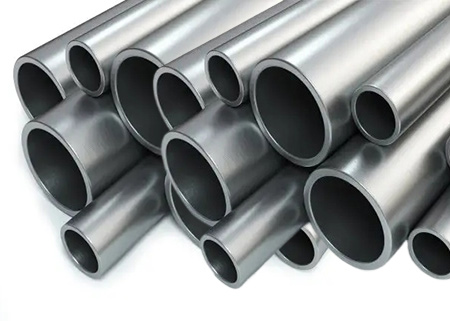
Introduction to Material Composition and Characteristics
Stainless steel pipes are made from stainless steel materials. Stainless steel is an alloy material known for its excellent corrosion resistance and high-temperature tolerance. Its primary composition includes iron, chromium, nickel, and other elements, giving it high strength and durability. Stainless steel pipes are suitable for various harsh environments, such as chemical pipelines, food processing, and high-temperature equipment.
Advantages and Application Areas of Stainless Steel Pipes
Stainless steel pipes offer the following advantages:
·Outstanding Corrosion Resistance: Stainless steel pipes can resist corrosion and oxidation, even in harsh chemical environments, maintaining their integrity.
·High-Temperature Tolerance: They can remain stable under high-temperature conditions, making them suitable for high-temperature equipment and processes.
·Longevity: Due to their material properties, stainless steel pipes typically have a longer lifespan compared to other pipe materials.
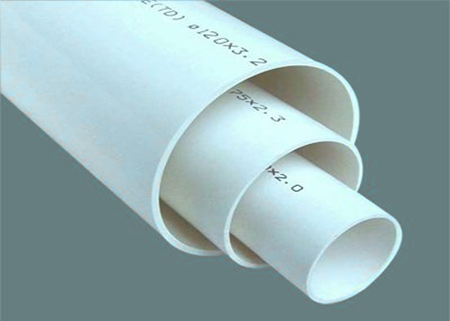
Introduction to Material Composition and Characteristics
PVC pipes are made from polyvinyl chloride (PVC) plastic. PVC is a lightweight, non-conductive, and corrosion-resistant material. It is usually manufactured at a low cost, easy to process, and maintain. PVC pipes are primarily used in drainage systems, sewage treatment, and the construction industry.
Advantages and Application Areas of PVC Pipes
PVC pipes offer the following advantages:
Cost-Effective: PVC pipe materials are relatively inexpensive, making them suitable for budget-conscious projects.
Ease of Installation and Maintenance: Installing PVC pipes is relatively straightforward, and they have lower maintenance costs.
Chemical Corrosion Resistance: PVC pipes exhibit good resistance to many chemicals, making them suitable for specific chemical environments.
Analyzing the Differences: Variances in Material
Strength and Durability of Stainless Steel Pipes
Compression Resistance and Corrosion Resistance of Stainless Steel Pipes
Lifespan of Stainless Steel Pipes
Strength and Durability of PVC Pipes
Compression Resistance and Corrosion Resistance of PVC Pipes
Lifespan of PVC Pipes
Main Differences Between Stainless Steel Pipes and PVC Pipes
Installation and Maintenance of Stainless Steel Pipes
Installation Process and Requirements for Stainless Steel Pipes
The installation process for stainless steel pipes is relatively simple but requires adherence to essential requirements to ensure the reliability and safety of the pipeline system. Here are the detailed contents of the installation process and requirements for stainless steel pipes:
Preparation Work
Before commencing the installation of stainless steel pipes, thorough preparation work is necessary. This includes a careful inspection of the pipes’ integrity, ensuring there are no damages or defects. Any damages or defects must be repaired before installation to prevent potential issues later on.
Proper Tools
During the installation process, it is essential to use the appropriate tools and equipment to ensure tight pipe connections without leaks. These tools include thread-cutting tools, welding equipment, and necessary measuring tools to ensure precise installation.
Suitable Connections
Stainless steel pipes typically use threaded connections or welding connections, and the specific connection method should be chosen based on the requirements of the particular application. When selecting the connection method, it is crucial to follow relevant national standards and regulations to ensure the connections are secure and safe.
Adherence to Standards
Throughout the entire installation process, strict adherence to installation standards and recommendations for stainless steel pipes is essential. This includes proper pipe layout, support, fixation, and necessary sealing measures. Following the standards will help ensure the reliability of the pipeline system and reduce the risk of potential problems.
Maintenance Methods and Considerations for Stainless Steel Pipes
Once stainless steel pipes are installed, maintenance work is equally important to ensure the long-term reliability of the pipeline system. Here are the detailed maintenance methods and considerations for stainless steel pipes:
Regular Inspection
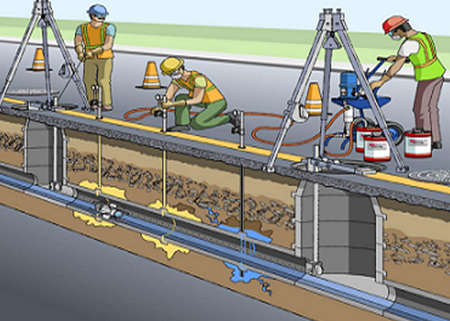
Regularly inspect the exterior and interior of stainless steel pipes to ensure there is no corrosion, damage, or blockage. These inspections should be conducted at the frequency recommended by national standards and guidelines to promptly identify and address issues.
Cleaning and Maintenance
Cleaning and maintenance of stainless steel pipes are critical to maintaining their performance. Use appropriate cleaning agents and methods to clean the pipe surfaces, preventing the accumulation of dirt and corrosion. Additionally, regularly check the sealing and support systems of the pipes to ensure they are in good working condition.
Addressing Issues
If any problems or abnormalities are detected, immediate action must be taken to address them. This may include replacing damaged components, repairing corrosion or leaks, or performing further maintenance and repairs as needed.
Installation and Maintenance of PVC Pipes
Installation Process and Requirements for PVC Pipes
The installation process for PVC pipes is relatively simple but also requires adherence to essential requirements to ensure the reliability and safety of the pipeline system. Here are the detailed contents of the installation process and requirements for PVC pipes:
Preparation Work
Before commencing the installation of PVC pipes, thorough preparation work is necessary. This includes a careful inspection of the pipes’ integrity, ensuring there are no damages or defects. Any damages or defects must be repaired before installation to prevent potential issues later on.
Proper Tools
During the installation process, it is essential to use the appropriate tools and equipment to ensure tight pipe connections without leaks. These tools include thread-cutting tools, welding equipment, and necessary measuring tools to ensure precise installation.
Suitable Connections
PVC pipes typically use adhesive connections or rubber-sealed connections, and the specific connection method should be chosen based on the requirements of the particular application. When selecting the connection method, it is crucial to follow relevant national standards and regulations to ensure the connections are secure and safe.
Adherence to Standards
Throughout the entire installation process, strict adherence to installation standards and recommendations for PVC pipes is essential. This includes proper pipe layout, support, fixation, and necessary sealing measures. Following the standards will help ensure the reliability of the pipeline system and reduce the risk of potential problems.
Main Differences Between Stainless Steel Pipes and PVC Pipes
Cost and Environmental Impact of Stainless Steel Pipes
Cost Factors and Comparison of Stainless Steel Pipes
Cost factors and comparison are crucial considerations in determining the suitability of stainless steel pipes for specific applications. Here are the detailed aspects of cost factors and comparison for stainless steel pipes:
Raw Material Costs
The manufacturing of stainless steel pipes requires high-quality stainless steel materials, which to some extent increases their manufacturing costs. The choice and quality of raw materials are critical for the performance and durability of stainless steel pipes.
Manufacturing and Processing Costs
The manufacturing and processing of stainless steel pipes involve multiple steps such as material cutting, shaping, welding, and more. These manufacturing and processing costs also influence the total cost.
Maintenance and Replacement Costs
While stainless steel pipes have a longer lifespan, the costs associated with maintenance and replacement must be considered if necessary.
Environmental Impact and Sustainability
Closely related to costs is the environmental impact and sustainability of stainless steel pipes. Stainless steel is a recyclable material, but its manufacturing and processing may have some environmental impact. Therefore, environmental factors should also be taken into account when considering costs.
Environmental Impact and Sustainability of Stainless Steel Pipes
The use of stainless steel pipes is closely related to their environmental impact and sustainability. Here are the detailed aspects of the environmental impact and sustainability of stainless steel pipes:
Durability
Stainless steel pipes are known for their long-term durability, which helps reduce resource waste and environmental impact. A longer lifespan means fewer resources are needed for frequent pipe system replacements.
Recyclability
Stainless steel is a recyclable material, and recycling helps reduce resource consumption and waste generation.
Manufacturing and Processing
The manufacturing and processing of stainless steel pipes may involve the production of some wastewater and emissions. Adequate environmental measures should be taken in manufacturing facilities to minimize environmental impact.
8 Cost and Environmental Impact of PVC Pipes
Cost Factors and Comparison of PVC Pipes
Cost factors and comparison are equally important in determining the suitability of PVC pipes for specific applications. Here are the detailed aspects of cost factors and comparison for PVC pipes:
Raw Material Costs
The manufacturing of PVC pipes uses relatively inexpensive polyvinyl chloride (PVC) plastic, which lowers raw material costs. However, selecting high-quality PVC materials can enhance pipe performance and durability.
Manufacturing and Processing Costs
Compared to stainless steel pipes, the manufacturing and processing of PVC pipes are relatively straightforward, reducing associated costs.
Maintenance and Replacement Costs
PVC pipes have a relatively shorter lifespan, potentially requiring more frequent replacement or maintenance, increasing associated costs.
Environmental Impact and Sustainability
While considering costs, environmental impact and sustainability should also be taken into account for PVC pipes.
Environmental Impact and Sustainability of PVC Pipes
The environmental impact and sustainability of PVC pipes are critical factors in determining their suitability. Here are the detailed aspects of the environmental impact and sustainability of PVC pipes:
Durability
A relatively shorter lifespan of PVC pipes may lead to more frequent replacements and disposals, increasing resource waste and environmental impact.
Recyclability
PVC pipes are typically less recyclable, and discarded PVC pipes may pose a burden on the environment.
Manufacturing and Processing
The manufacturing and processing of PVC pipes may involve the use of hazardous substances, necessitating environmental measures in manufacturing facilities to reduce environmental impact.
Conclusion
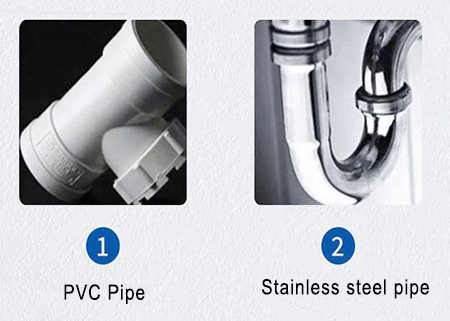
Summarizing the Key Differences Between Stainless Steel Pipes and PVC Pipes
In this article, we have conducted a comprehensive comparison of stainless steel pipes and PVC pipes, covering their material composition, strength and durability, costs, and environmental impact. By comparing these key factors, we can better understand the major differences between them.
Emphasizing the Need to Consider Specific Requirements and Conditions When Choosing Suitable Pipe Materials
The final choice depends on specific needs and application conditions. When selecting pipe materials, careful consideration of factors such as costs, performance, and sustainability is essential to ensure that the chosen pipe material is the most suitable for a particular engineering project or application.