

Basic Principles of Stain Prevention
Preventing stains on stainless steel sheets is crucial for maintaining their appearance and performance. Here are some basic principles to help you effectively prevent stains:
Maintain Regular Cleaning
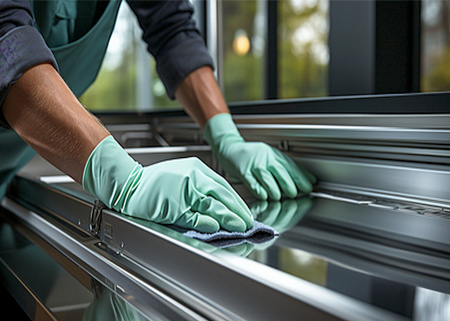
Regularly cleaning stainless steel sheets is the first step in stain prevention. You can use a soft cloth or sponge, along with warm water and a neutral cleaning agent, to clean the surface. Avoid using abrasive or wire brushes to prevent scratching the stainless steel surface. For example, if you have stainless steel kitchen utensils, wipe them clean promptly after each use to prevent food residue buildup.
Avoid Chemical Contact
Avoid allowing stainless steel sheets to come into contact with strong acids, strong alkalis, or other corrosive chemicals, as they can damage the surface. These substances can cause corrosion, oxidation, or discoloration, leaving behind hard-to-clean marks. For example, when working on a stainless steel countertop, avoid pouring strong acid or alkali solutions directly onto it.
Use Appropriate Cleaning Agents
Choosing the right cleaning agent for stainless steel is crucial. Generally, neutral cleaning agents are the best choice as they can effectively remove stains without harming the surface. Avoid using cleaning agents that contain chlorine or ammonia, as they may cause damage to stainless steel. For instance, using cleaning agents specifically designed for stainless steel ensures effective cleaning while protecting the surface.
These basic principles of stain prevention will help maintain the appearance and performance of stainless steel sheets. Remember that regular maintenance and proper cleaning habits can extend the lifespan of stainless steel sheets and keep them looking pristine.
Cleaning Methods and Tools
Cleaning stainless steel sheets is an essential step in maintaining their appearance and performance. In this section, we will explore cleaning methods and tools to help you effectively keep stainless steel sheets clean:
Tools for Cleaning Stainless Steel Surfaces
Choosing the right tools is crucial for cleaning stainless steel surfaces. Here are some commonly used tools:
Soft Microfiber Cloth: This type of cloth is soft and gentle, preventing scratches on the stainless steel surface.
Sponge: Used to remove stubborn stains, but be sure to select a type that won’t scratch the surface.
Specialized Stainless Steel Cleaning Cloth: These cloths are designed for cleaning stainless steel, typically featuring absorbency and stain-removing properties.
Cleaning Methods and Steps
Proper cleaning methods are key to ensuring stainless steel sheets stay clean and shiny. Here are some steps and methods:
Remove Surface Dirt: Start by rinsing the stainless steel surface with warm water to remove most dirt and impurities. Then use an appropriate cleaning agent to dampen the cloth or sponge and remove remaining stains.
Clean in the Direction of the Grain: If the stainless steel surface has a grain pattern, clean in the direction of the grain to avoid leaving scratches.
Rinse with Clean Water: Rinse the surface with clean water to ensure all cleaning agent residues are thoroughly removed.
Common Mistakes in Cleaning Stainless Steel Sheets
When cleaning stainless steel sheets, some common mistakes can harm the surface. Here are errors to avoid:
Using Rough Brushes or Wire Wool: These tools can potentially scratch the stainless steel surface.
Using Cleaning Agents with Chlorine: Chlorine can cause damage to stainless steel, leading to oxidation or corrosion.
Leaving Cleaning Agent Residues: Inadequate rinsing of cleaning agents may result in spots or stains on the surface.
Proper cleaning methods and tool usage will help maintain the appearance and performance of stainless steel sheets, ensuring their longevity and shine. Remember these tips to prevent common cleaning mistakes.
Preventive Maintenance Measures
Preventive maintenance is key to keeping stainless steel sheets clean and shiny. In this section, we will explore some preventive maintenance measures to help protect the appearance and performance of stainless steel sheets:
Surface Treatment
Surface treatment is one of the crucial steps in stain prevention. Here are some common surface treatment methods:
Polishing Treatment: Polishing the stainless steel surface can enhance its smoothness and reflectivity, reducing the likelihood of stains adhering. This treatment is often used in applications requiring high gloss, such as kitchen appliances and decorations.
Anti-Fingerprint Coating: Some stainless steel sheets come with special anti-fingerprint coatings to reduce the visibility of fingerprints and stains. This is particularly useful for high-touch areas like door handles and elevator buttons.
Protective Measures
Protective measures help prevent external factors from damaging stainless steel sheets. Here are some common protective measures:
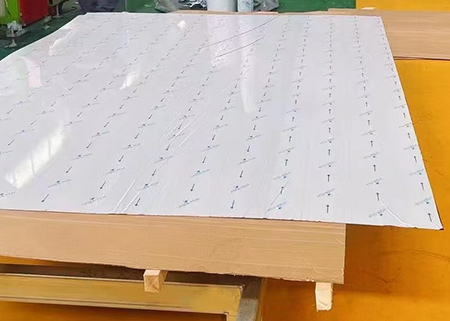
Use Protective Film: In specific cases, transparent protective film can be applied to cover the stainless steel surface, protecting it from scratches or stains. This is common in stainless steel equipment and furniture.
Avoid Physical Damage: Avoid using hard or sharp objects that may scratch the stainless steel surface, as they can leave marks.
Regular Inspection and Maintenance
Regular inspection and maintenance are crucial to keeping stainless steel sheets in their best condition. Here are some common maintenance measures:
Regular Inspection: Periodically inspect the stainless steel surface for any potential damage or stains, and take timely action to repair them.
Use Appropriate Cleaning Agents: Choose cleaning agents suitable for stainless steel to ensure that cleaning does not cause damage.
Keep Dry: Keep the stainless steel surface as dry as possible to reduce water spots and stains.
These preventive maintenance measures will help protect the appearance and performance of stainless steel sheets, ensuring their durability and shine. Remember these tips to prevent stains and damage to stainless steel sheets.