


Introduction
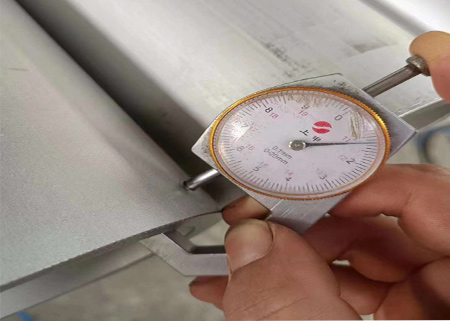
1.1 The Significance of Stainless Steel Pipes in Projects
Stainless steel pipes, as an important pipeline material, have widespread applications in the steel industry. Stainless steel pipes possess corrosion resistance, high strength, and good plasticity, meeting the requirements of various complex working conditions. Therefore, making the correct selection and determination of the thickness of stainless steel pipes in projects is crucial to ensure pipeline safety and the smooth progress of the project.
1.2 The Importance of Determining the Correct Thickness
Determining the correct thickness of stainless steel pipes is a critical factor in ensuring the safety and reliability of pipelines. If the thickness of stainless steel pipes is too thin, it may lead to pipe rupture or deformation under high pressure or complex conditions, resulting in accidents. On the other hand, excessive thickness not only increases costs but may also destabilize the pipeline system. Thus, accurately determining the thickness of stainless steel pipes is vital for the successful implementation of projects.
Factors in Determining Stainless Steel Pipe Thickness
Determining the Maximum Working Pressure
In determining the thickness of stainless steel pipes, the first consideration is the maximum working pressure inside the pipeline. According to national standards and industry specifications, the maximum pressure that the pipeline can withstand under design conditions is determined. This maximum working pressure serves as a crucial basis for determining the thickness of stainless steel pipes.
Considering Additional Pressure Factors
Apart from the maximum working pressure, additional pressure factors need to be taken into account. For instance, pipeline systems may be affected by transient pressure, impact pressure, or other external factors. These additional pressure factors must be thoroughly considered when determining the thickness of stainless steel pipes to ensure pipeline safety and reliability.
Certainly, here is the table in English format for the correspondence between Stainless Steel Pipe Pressure (in MPa) and Thickness (in mm):
| Pressure (MPa) | Thickness (mm) |
| 0.6 | 1.5 |
| 1.0 | 2.0 |
| 1.6 | 2.5 |
| 2.5 | 3.0 |
| 4.0 | 3.5 |
| 6.4 | 4.0 |
| 10.0 | 4.5 |
Composition of Stainless Steel Pipes
The composition of stainless steel pipes significantly impacts their performance and corrosion resistance. According to national standards, the composition of stainless steel pipes should meet the corresponding requirements. Common stainless steel pipe materials include 304 stainless steel, 316 stainless steel, and more. These stainless steel materials exhibit excellent corrosion resistance and high strength, suitable for use in various conditions.
| lement | Carbon (C) | Silicon (Si) | Manganese (Mn) | Phosphorus (P) | Sulfur (S) | Chromium (Cr) | Nickel (Ni) | Molybdenum (Mo) | Nitrogen (N) |
| 304 | 0.08% | 1.00% | 2.00% | 0.045% | 0.030% | 18.00% | 8.00% | 0.75% | 0.10% |
| 316L | ≤ 0.030% | ≤ 1.00% | ≤ 2.00% | ≤ 0.045% | ≤ 0.030% | 16.0-18.0% | 10.0-14.0% | 2.0-3.0% | ≤ 0.10% |
Tensile Strength of Stainless Steel Pipes
The tensile strength of stainless steel pipes is one of the crucial indicators for measuring their material performance. According to national standards, the tensile strength of stainless steel pipes should meet specific requirements. The tensile strength directly affects the load-bearing capacity and durability of stainless steel pipes.
| Grade | Minimum Tensile Strength (MPa) | Minimum Yield Strength (MPa) | Minimum Elongation (%) |
| 304 | ≥ 520 | ≥ 205 | ≥ 35 |
| 316L | ≥ 485 | ≥ 170 | ≥ 35 |
Conclusion
The Significance of Determining the Correct Thickness of Stainless Steel Pipes in Projects
Considering Factors such as Internal Pipe Pressure, External Environment, and Material Properties
Meeting National Standards and Specification Requirements
Determining the correct thickness of stainless steel pipes in projects is crucial to ensure pipeline safety and reliable performance. By considering factors such as internal pipe pressure, external environment, and material properties, and by using design specifications, engineering calculations, and experimental verification methods, the correct thickness of stainless steel pipes can be accurately determined, meeting national standards and specification requirements, and ensuring the smooth progress of engineering projects.
Considering Factors such as Internal Pipe Pressure, External Environment, and Material Properties
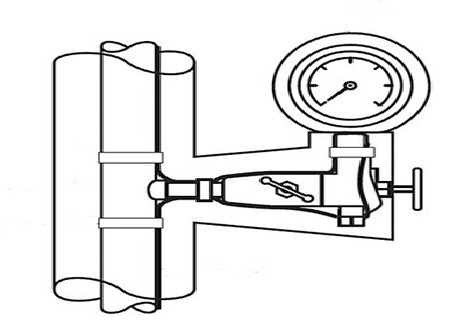
5.1 Consideration of Internal Pipe Pressure
5.1.1 Determining the Design Pressure Inside the Pipeline According to Project Requirements
5.1.2 Calculating the Allowable Working Pressure of the Pipeline Using National Standards and Specifications
5.2 Consideration of External Environment
5.2.1 Considering Factors such as Temperature, Humidity, and Corrosion in the Pipeline Environment
5.2.2 Determining Corrosion Prevention Measures and Protective Layer Thickness of the Pipeline According to National Standards and Specifications
5.3 Consideration of Material Properties
5.3.1 Analyzing the Material Composition and Mechanical Properties of Stainless Steel Pipes
5.3.2 Determining the Minimum Wall Thickness and Safety Factor of Stainless Steel Pipes According to National Standards and Specifications
Determining the Correct Thickness Using Design Specifications, Engineering Calculations, and Experimental Verification
6.1 Application of Design Specifications
6.1.1 Using Relevant Calculation Methods and Formulas from National Standards and Specifications
6.1.2 Adjusting and Optimizing Design Specifications According to Project Requirements
6.2 Implementation of Engineering Calculations
6.2.1 Performing Calculations on Aspects Such as Internal Pipe Pressure, External Environment, and Material Properties
6.2.2 Verifying and Adjusting Calculation Results Based on Actual Engineering Conditions
6.3 Conducting Experimental Verification
6.3.1 Conducting Material Performance Tests and Mechanical Performance Tests on Stainless Steel Pipes
6.3.2 Modifying and Optimizing Design Thickness Based on Experimental Results
Conclusion
Determining the correct thickness of stainless steel pipes in projects is a critical factor in ensuring pipeline safety and performance. By considering factors such as internal pipe pressure, external environment, and material properties, and by using design specifications, engineering calculations, and experimental verification methods, the correct thickness of stainless steel pipes can be accurately determined, meeting national standards and specification requirements, and ensuring the smooth progress of engineering projects.