

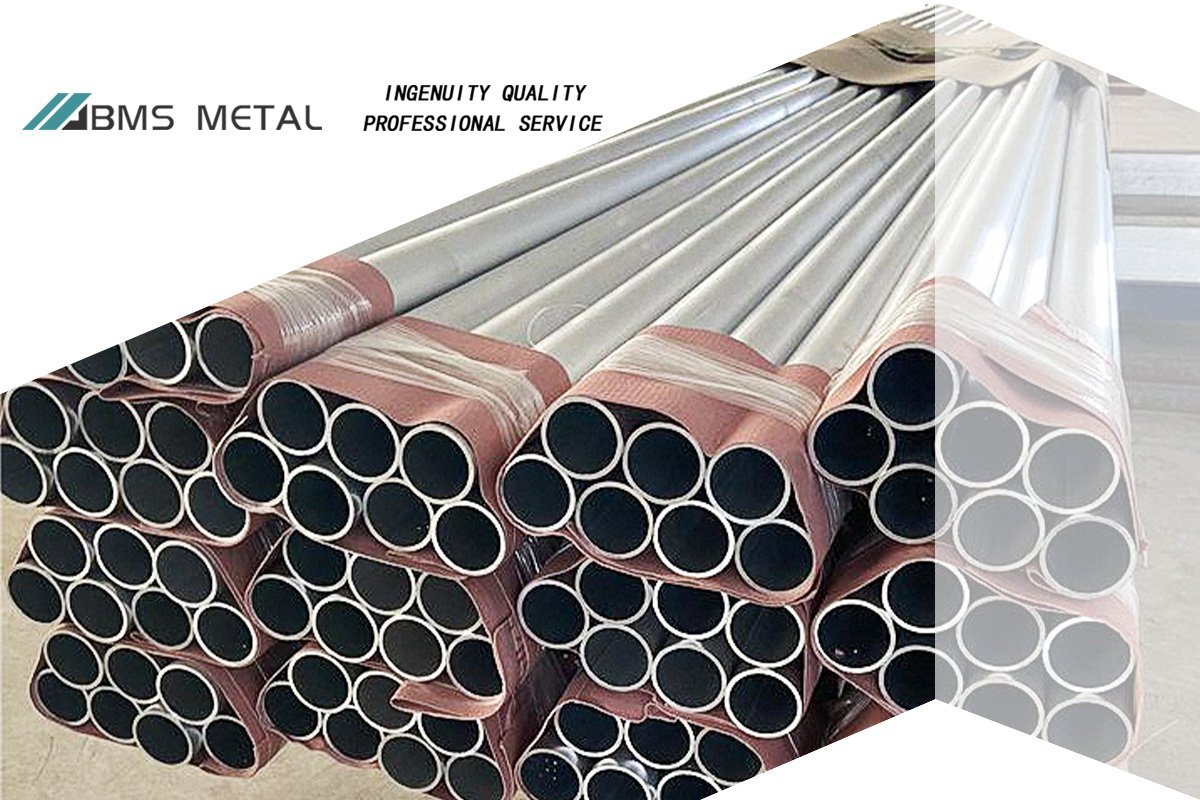
Introduction
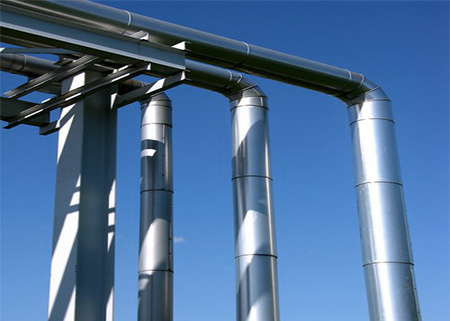
Stainless steel pipes play a crucial role in outdoor applications, enduring the challenges posed by natural environments while maintaining their performance over the long term. In this article, we delve into the corrosion resistance of stainless steel pipes in outdoor settings. By introducing more professional standards and parameters, we aim to provide customers with a comprehensive understanding of their outstanding performance.
Corrosion Resistance of Stainless Steel Pipes
Corrosion Resistance Characteristics of Stainless Steel Pipes
The exceptional corrosion resistance of stainless steel pipes is primarily attributed to the presence of chromium. Chromium forms a dense passivation layer on the surface of stainless steel pipes, effectively preventing oxygen and moisture from corroding the metal. This unique property endows stainless steel pipes with excellent corrosion resistance, allowing them to maintain stability even in harsh environmental conditions.
Corrosion Performance Standards and Parameters for Stainless Steel Pipes
According to international standards such as ASTM A312 and EN 10088, the corrosion performance of stainless steel pipes can be evaluated through various parameters, including resistance to salt spray and cyclic corrosion resistance, among others. These parameters ensure the outstanding corrosion resistance of stainless steel pipes in different environmental conditions.
Real-World Case Support
Consider a bridge project located in a coastal area, where stainless steel pipes are used as primary structural elements. After years of service, these stainless steel pipes continue to perform admirably without any issues related to seawater corrosion. This case exemplifies the remarkable corrosion resistance of stainless steel pipes in outdoor environments.
Structural Strength of Stainless Steel Pipes
Structural Strength of Stainless Steel Pipes
The structural strength of stainless steel pipes is a crucial characteristic that ensures their reliability in outdoor environments. In addition to their corrosion performance, stainless steel pipes exhibit excellent structural strength. Typically, stainless steel pipes are manufactured using high-strength stainless steel materials that meet international standards, offering outstanding tensile and compressive strength as required.
Structural Strength Standards and Parameters for Stainless Steel Pipes
According to international standards, the structural strength of stainless steel pipes can be comprehensively evaluated using multiple parameters. These include:
Tensile Strength
The tensile strength of stainless steel pipes is typically well above general requirements to ensure they can withstand various external forces and stresses. For instance, the national standard GB/T 14975 specifies that the tensile strength requirement for stainless steel 304 pipes is ≥520 MPa, while for stainless steel 316 pipes, it is ≥515 MPa.
Compressive Strength
Compressive strength of stainless steel pipes is crucial for support and load-bearing. According to GB/T 14975 national standard, stainless steel pipes must meet specific standard requirements for compressive strength to guarantee structural stability in different application scenarios.
These parameters and standards ensure that stainless steel pipes can withstand various challenges in outdoor environments, including strong winds, rain, snow, and seismic events. Many architectural and industrial projects select stainless steel pipes as structural materials to ensure their structural strength and reliability. For example, in the external wall curtain wall system of a tall building, stainless steel pipes are used as support structures and successfully withstand challenges related to wind pressure and self-weight loads. Over the years, these stainless steel pipes have maintained their structural strength without noticeable deformation or damage.
Apart from material properties, the manufacturing processes of stainless steel pipes play a crucial role in their structural strength. Employing high-quality processes such as cold drawing, cold rolling, and welding can enhance the uniformity and consistency of stainless steel pipes.
Maintenance and Care of Stainless Steel Pipes
Maintenance and Care of Stainless Steel Pipes
Stainless steel pipes require relatively low maintenance and care, with regular cleaning and inspection being the primary requirements. This reduces operational and maintenance costs and simplifies maintenance tasks.
Maintenance Parameters for Stainless Steel Pipes
According to international standards, many stainless steel pipes used in outdoor applications can continue to perform well for years with basic maintenance and care. This reduces maintenance and operating costs, making stainless steel pipes a sustainable choice.
Regularly clean the surfaces, check for damage or corrosion, and take repair measures as necessary. Through these basic maintenance steps, stainless steel pipes can consistently meet their design and performance requirements, reducing the likelihood of future issues.
Directions for Further Research or Recommendations
In-Depth Research on Stainless Steel Pipe Performance
Although the performance of stainless steel pipes is widely acknowledged, there is room for further research into the performance differences of different types of stainless steel pipes in various environmental conditions to meet higher professional standards. For example, comparative studies can be conducted on different grades of stainless steel pipes, analyzing differences in corrosion resistance, mechanical performance, and heat resistance, among other aspects. Additionally, experimental and simulation analyses can explore the performance of stainless steel pipes in high-temperature, low-temperature, high-pressure, and highly corrosive environments, providing more accurate performance assessments and selection guidelines for different industries.
Exploring More Application Areas

Stainless steel pipes excel in outdoor applications, and further exploration of their performance and reliability in specialized application areas can meet broader demands. For instance, in the field of marine engineering, research can focus on the long-term performance of stainless steel pipes in seawater corrosion environments and their potential applications in marine structures, subsea pipelines, and offshore platforms, among other projects. Furthermore, research can be conducted on the application of stainless steel pipes in industries such as chemical engineering, food processing, and medical devices, exploring their performance and reliability in special media and hygiene requirements.
To conduct in-depth research into the performance of stainless steel pipes, the following steps are recommended:
Step 1: Collect and organize relevant international and national standards, including material standards, performance standards, and testing methods for stainless steel pipes, to ensure research accuracy and comparability.
Step 2: Select samples of stainless steel pipes of different grades and specifications for laboratory testing and field observation. Test items may include tensile strength, compressive strength, corrosion resistance, heat resistance, among other indicators.
Step 3: Analyze performance differences of different types of stainless steel pipes in various environmental conditions based on experimental data and observation results. Compare and evaluate them against standards.
Step 4: Based on research results, propose recommendations for improving and optimizing the performance of stainless steel pipes, including improvements in material formulations, manufacturing processes, and surface treatments.
Step 5: Apply research findings to practical engineering projects to validate the performance and reliability of stainless steel pipes. Collect feedback and data to further refine research outcomes.
Through research and practice following these steps, a deeper understanding of the performance characteristics of stainless steel pipes can be achieved, providing industries with more accurate performance assessments and selection guidelines. This will drive the application and development of stainless steel pipes in various fields.
Conclusion
In conclusion, the exceptional corrosion resistance, structural strength, and low maintenance requirements of stainless steel pipes make them the preferred choice in various fields for outdoor applications. By introducing more professional standards and parameters, we can gain a comprehensive understanding of the performance of stainless steel pipes. Additionally, future research can further enhance their performance to meet evolving demands.