

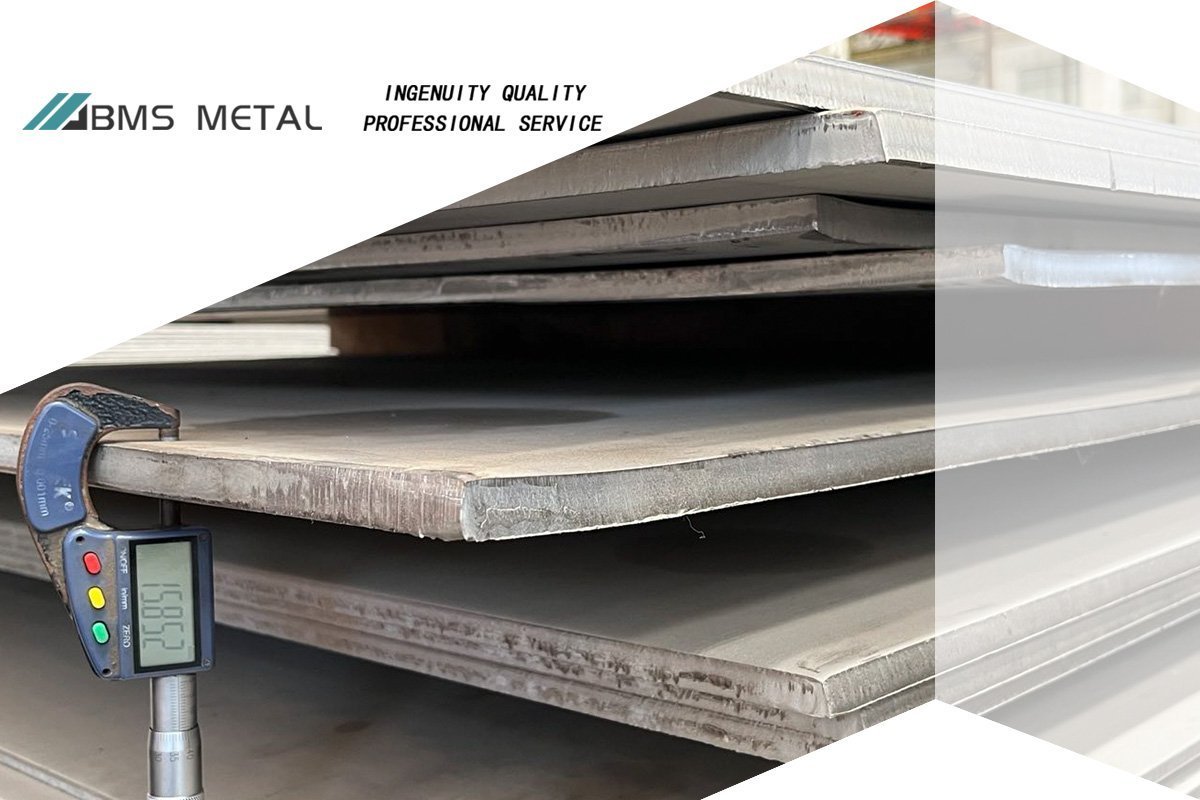
In this article, we dive into the critical differences between 409 and 304 stainless steel, two widely used materials in various industries. Both grades have unique properties that make them suitable for specific applications, but understanding their strengths and limitations is essential for making the right choice. Whether you’re working on automotive exhaust systems or looking for materials for architectural projects, this guide will help you decide which stainless steel grade is best for your needs.
Introduction
Lead-In:
409 and 304 stainless steels are two of the most widely used materials in both automotive and industrial applications. These grades of stainless steel are valued for their unique properties, which make them suitable for different environments and performance requirements.
409 stainless steel is often chosen for its heat resistance and cost-effectiveness, particularly in the automotive industry for exhaust systems. On the other hand, 304 stainless steel is known for its superior corrosion resistance and versatility, making it a popular choice across various industries, from food processing to architecture.
When selecting the right stainless steel grade, it’s crucial to consider factors such as corrosion resistance, durability, heat resistance, and cost. This guide will help you understand the key differences between 409 and 304 stainless steel, ensuring you make the best choice for your specific application.
Quick Comparison Overview
Key Differences Between 409 SS and 304 SS
To help you quickly grasp the main distinctions between 409 and 304 stainless steel, we’ve compiled a concise comparison table highlighting their most critical properties.
| Property | 409 SS | 304 SS |
| Corrosion Resistance | Moderate; suitable for high-heat environments | High; excellent for environments exposed to moisture and chemicals |
| Heat Resistance | Excellent; can withstand prolonged exposure to high temperatures | Good; balances heat and corrosion resistance |
| Durability | Durable under heat stress, often used in automotive applications | Highly durable, particularly in corrosive environments |
| Cost | More cost-effective, especially in large-scale applications | Higher cost, justified by superior properties |
| Typical Applications | Automotive exhaust systems, heat exchangers | Food processing equipment, chemical plants, architectural components |
This quick comparison provides an overview of the most important factors to consider when choosing between 409 and 304 stainless steel. For a deeper understanding, continue reading as we explore these differences in detail.
Composition and Properties
409 SS: The Economical Choice
409 stainless steel is known for its economical balance of performance and cost. It contains lower chromium content compared to 304 stainless steel, typically around 10.5% to 11.75%, and includes titanium, which enhances its weldability and resistance to exhaust gas temperatures.
This composition makes 409 SS particularly well-suited for high-heat environments where corrosion resistance is not the primary concern. It is widely used in automotive exhaust systems, where its ability to withstand high temperatures without significant degradation is critical.
304 SS: The All-Rounder
304 stainless steel is often referred to as the “all-rounder” of stainless steels. It contains higher levels of chromium (18%) and nickel (8%), which provide it with excellent corrosion resistance and overall durability. These properties make 304 SS one of the most versatile and widely used stainless steels across various industries.
From food processing to architectural applications, 304 SS is favored for its ability to resist rust, corrosion, and oxidation in harsh environments, making it a reliable choice for long-term performance.
Corrosion Resistance: 409 SS vs 304 SS
304 SS: Superior Corrosion Resistance
304 stainless steel is renowned for its high corrosion resistance, making it the preferred choice for environments exposed to moisture, chemicals, and acids. The high chromium content in 304 SS forms a passive layer on the surface, protecting the material from rust and oxidation.
Examples of Typical Environments:
- Marine Applications: The saltwater environment is highly corrosive, and 304 SS’s resistance to saltwater makes it ideal for marine components and coastal structures.
- Chemical Processing: 304 SS is widely used in tanks, pipes, and equipment in chemical plants due to its ability to withstand harsh chemicals and corrosive substances.
409 SS: Adequate for Specific Applications
While 409 stainless steel does not offer the same level of corrosion resistance as 304 SS, it provides sufficient protection in specific applications, particularly those involving high heat. The addition of titanium helps 409 SS resist oxidation and rusting at elevated temperatures, making it suitable for automotive exhaust systems and other high-heat environments.
Effective Use Cases:
- Automotive Exhaust Systems: 409 SS is often used in the manufacture of exhaust systems due to its ability to withstand the high temperatures and corrosive gases produced by engine exhaust.
Heat Resistance: 409 SS vs 304 SS
409 SS: Built for High-Heat Environments
409 stainless steel excels in high-heat environments, such as those found in automotive exhaust systems. Its composition allows it to resist oxidation and maintain its structural integrity at temperatures that would degrade other materials. The presence of titanium further stabilizes the structure of 409 SS, preventing brittleness and ensuring long-term durability under heat stress.
304 SS: Balanced Heat and Corrosion Resistance
304 stainless steel offers a balanced combination of heat and corrosion resistance, making it suitable for applications where both factors are critical. While it may not withstand as high temperatures as 409 SS, its superior corrosion resistance makes it ideal for environments where both heat and exposure to corrosive elements are concerns.
Examples of Balanced Applications:
- Heat Exchangers: 304 SS is commonly used in heat exchangers, where it must endure both high temperatures and exposure to various chemicals.
- Industrial Kitchen Equipment: In environments where heat and sanitation are essential, 304 SS provides the necessary durability and corrosion resistance.
Durability and Longevity
H3: Durability in Automotive Applications
When comparing the durability of 409 SS and 304 SS in automotive applications, particularly in exhaust systems, 409 SS often stands out for its ability to withstand the high heat and stress associated with these environments. Its cost-effectiveness and durability under heat stress make it a common choice for exhaust components.
However, for higher-end applications where long-term durability and corrosion resistance are prioritized, 304 SS may be the better choice. Its superior resistance to rust and corrosion ensures that it can outlast 409 SS in more demanding environments.
H3: Longevity in Various Environments
304 stainless steel is known for its longevity in harsh environments, particularly where both heat and corrosion are factors. Its ability to resist the elements, combined with its mechanical strength, makes it a reliable material for long-term applications in chemical plants, coastal structures, and other demanding environments.
While 409 SS can offer good longevity in the right conditions, it may require more maintenance in environments where corrosion is a significant concern.
H2: Applications of 409 SS and 304 SS
H3: Common Uses for 409 SS
409 stainless steel is widely used in applications where high heat resistance and cost-effectiveness are critical. Its ability to withstand prolonged exposure to high temperatures makes it an ideal choice for:
- Automotive Exhaust Systems: 409 SS is commonly used in exhaust systems due to its ability to handle the heat and corrosive gases produced by internal combustion engines.
- Heat Exchangers: Its heat resistance makes 409 SS suitable for heat exchangers in various industrial applications.
Where 304 SS Excels
304 stainless steel is known for its versatility and is used in a wide range of industries due to its excellent corrosion resistance and aesthetic appeal. Common applications include:
- Food Processing Equipment: 304 SS’s resistance to corrosion and ease of cleaning make it ideal for food-grade applications, such as kitchen equipment, sinks, and food processing machinery.
- Architectural Components: Its ability to be polished to a high finish, combined with its durability, makes 304 SS a popular choice for decorative architectural elements.
Cost Comparison: 409 SS vs 304 SS
Cost Implications of Choosing 409 SS
409 stainless steel is generally more cost-effective for projects that require high heat resistance without the need for extreme corrosion resistance. Its lower chromium content reduces its overall cost, making it an economical choice for large-scale applications like automotive exhaust systems.
Cost-Effectiveness Analysis:
- Material Costs: The lower material costs of 409 SS make it an attractive option for large-scale manufacturing where budget constraints are a concern.
- Maintenance Costs: While 409 SS may require more frequent maintenance in certain environments, its initial cost savings often outweigh these expenses in high-heat applications.
When the Investment in 304 SS is Worthwhile
Despite its higher cost, 304 stainless steel is often worth the investment in applications where corrosion resistance and durability are critical for long-term performance. Industries like food processing and chemical production often choose 304 SS for its ability to withstand harsh environments and reduce maintenance costs over time.
Justified Scenarios:
- Critical Applications: In industries like chemical processing, where material failure can have serious consequences, the higher cost of 304 SS is balanced by its reliability and longevity.
- Long-Term Investment: For projects requiring a durable, long-lasting material, the upfront cost of 304 SS can lead to savings in maintenance and replacement over the life of the product.
Aesthetic Appearance and Finish
Surface Finish Options for 304 SS
304 stainless steel offers a wide range of surface finishes, making it highly versatile in applications where aesthetic appearance is important. From a mirror-like finish to brushed or matte options, 304 SS can be customized to meet specific design requirements, especially in architectural and decorative applications.
Common Finish Types:
- Mirror Finish: Often used in architectural applications where a high-gloss, reflective surface is desired.
- Brushed Finish: Provides a softer, more subdued appearance, commonly used in kitchen appliances and interior design.
409 SS: Functional Yet Practical
While 409 stainless steel is primarily chosen for its functional properties in high-heat environments, it can still be finished for a clean, professional look in applications where appearance is secondary. Though it may not offer the same range of finishes as 304 SS, it can still provide a decent aesthetic when polished.
Practical Applications:
- Industrial Equipment: In environments where aesthetics are less critical, but a clean and polished appearance is desired, 409 SS can provide an acceptable solution.
- Automotive Components: 409 SS is often used in components where functionality is prioritized over appearance, but a professional finish is still necessary.
Conclusion
Summary of Key Points:
- 409 SS and 304 SS are both valuable stainless steel grades with distinct properties. 409 SS excels in high-heat environments and offers a cost-effective solution for automotive exhaust systems and industrial applications. In contrast, 304 SS is favored for its superior corrosion resistance, versatility, and aesthetic appeal, making it suitable for a wide range of industries.
- The choice between 409 SS and 304 SS depends on the specific requirements of the application, including factors such as corrosion resistance, heat resistance, durability, and cost.
Call to Action:
- For more information on purchasing 409 SS or 304 SS, or to receive a personalized recommendation based on your project’s needs, contact one of our stainless steel specialists today. You can also visit our product pages to explore detailed specifications and options.
Additional Resources
Further Reading:
- Explore our other articles comparing different stainless steel grades to help you make an informed decision:
- Download our comprehensive guide on stainless steel selection to gain deeper insights into choosing the right material for your next project.