

Introduction
301 stainless steel is a versatile chromium-nickel stainless steel known for its exceptional mechanical properties. This material is widely used in various applications due to its balance of strength, ductility, and corrosion resistance. This guide explores the mechanical properties of 301 stainless steel, its different tempering states, magnetic characteristics, and the common forms it is available in, including bars and strips.
Mechanical Properties of 301 Spring Steel
Overview:
301 stainless steel is part of the austenitic stainless steel family, known for its high strength and good ductility. Its mechanical properties can be tailored through different heat treatments and tempering processes, making it suitable for a broad range of industrial applications.
Spring Tempered Properties:
Spring-tempered 301 stainless steel is specifically treated to enhance its elastic properties, making it ideal for applications that require resilience and resistance to deformation under stress. Below are the typical mechanical properties of 301 stainless steel in the spring-tempered state:
| Property | Spring Tempered 301 Stainless Steel |
| Tensile Strength | 750 MPa to 1,100 MPa |
| Yield Strength | 500 MPa to 900 MPa |
| Elongation | 20% to 40% |
Tensile Strength: This property indicates the maximum amount of tensile stress that 301 spring-tempered stainless steel can withstand before breaking. Typically, it ranges from 750 MPa to 1,100 MPa, depending on the specific tempering and processing
Yield Strength: This is the amount of stress at which the material begins to deform plastically. For spring-tempered 301, the yield strength usually ranges between 500 MPa and 900 MPa, which is high enough to ensure durability and resistance to deformation.
Elongation: This measures the ability of the steel to stretch before breaking. In the spring-tempered state, the elongation ranges from 20% to 40%, indicating good ductility and flexibility.
Full Hard Properties:
Full-hard 301 stainless steel is subjected to severe cold working, which increases its hardness and strength. This makes it suitable for applications where maximum strength is needed, such as in automotive and structural components.
| Property | Full Hard 301 Stainless Steel |
| Tensile Strength | Up to 1,200 MPa or higher |
| Yield Strength | Often exceeds 1,000 MPa |
| Elongation | 10% to 20% |
Tensile Strength: In the full-hard state, the tensile strength can reach up to 1,200 MPa or higher, making it exceptionally strong.
Yield Strength: The yield strength in full-hard 301 stainless steel often exceeds 1,000 MPa, reflecting its increased hardness and load-bearing capacity.
Elongation: The elongation in this state is lower, generally around 10% to 20%, due to the material’s increased hardness. This reduced elongation indicates that the steel is less ductile compared to its spring-tempered counterpart.
Variants of 301 Stainless Steel
301 Spring Tempered Stainless Steel:
Spring-tempered 301 stainless steel is designed for applications requiring significant elasticity and resistance to deformation. This tempering process enhances the steel’s ability to return to its original shape after being deformed, which is crucial for springs and similar components.
301 Full Hard Stainless Steel:
Full-hard 301 stainless steel undergoes extensive cold working, resulting in a very hard and strong material. This variant is used in applications where maximum hardness and strength are required, such as in high-stress mechanical parts and structural elements.
Magnetic Properties of 301 Stainless Steel
301 stainless steel can exhibit magnetic properties, particularly in its cold-rolled and hardened states. This is due to the transformation of its crystalline structure from austenitic to martensitic during cold working.
- Magnetic Characteristics: Unlike many austenitic stainless steels that are typically non-magnetic, 301 stainless steel can become magnetized, especially after significant cold working. This property can be important in applications where magnetic properties are a consideration.
Forms and Applications
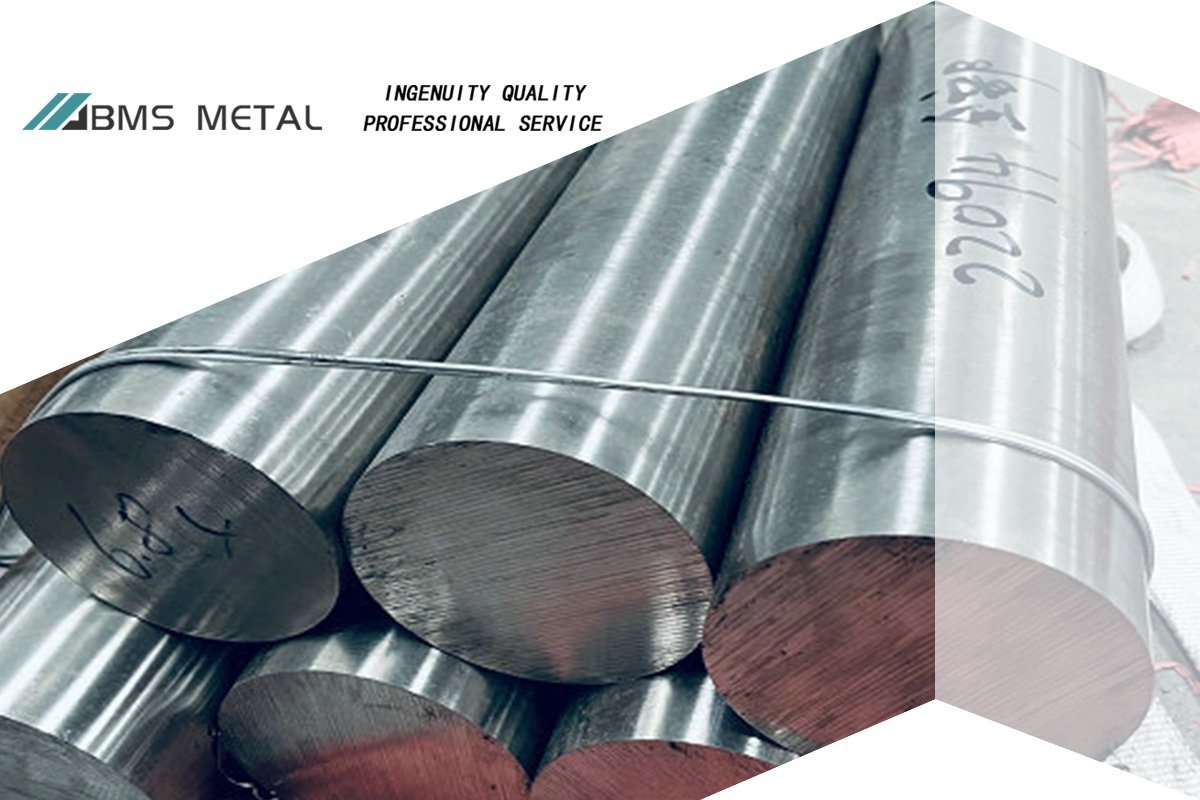
301 Stainless Steel Bar
- Usage: Stainless steel bars are used in various applications requiring strength and durability, such as in automotive components, machine parts, and structural supports.
- Properties: Available in different tempering states, including spring-tempered and full-hard, these bars can be customized to meet specific strength and flexibility requirements.
301 Stainless Steel Strip:
- Usage: Stainless steel strips are widely used in manufacturing and construction for applications like brackets, clamps, and other flat components.
- Properties: These strips come in various thicknesses and tempering states. Customization allows for precise dimensions and mechanical properties suited to specific needs.
Spring Stainless Steel Sheet:
- Usage: Sheets of 301 stainless steel are used in applications requiring a balance of strength and flexibility, such as in the production of springs and other resilient components.
- Properties: Available in spring-tempered and other states, these sheets can be tailored to provide the necessary balance between strength and elasticity.
Conclusion
301 stainless steel is a highly versatile material with a range of mechanical properties that can be tailored through different tempering processes. Its ability to exhibit varying degrees of strength, flexibility, and magnetic properties makes it suitable for a wide array of industrial applications. By understanding its properties and available forms, you can select the appropriate 301 stainless steel variant for your specific needs, ensuring optimal performance and durability.