

Introduction
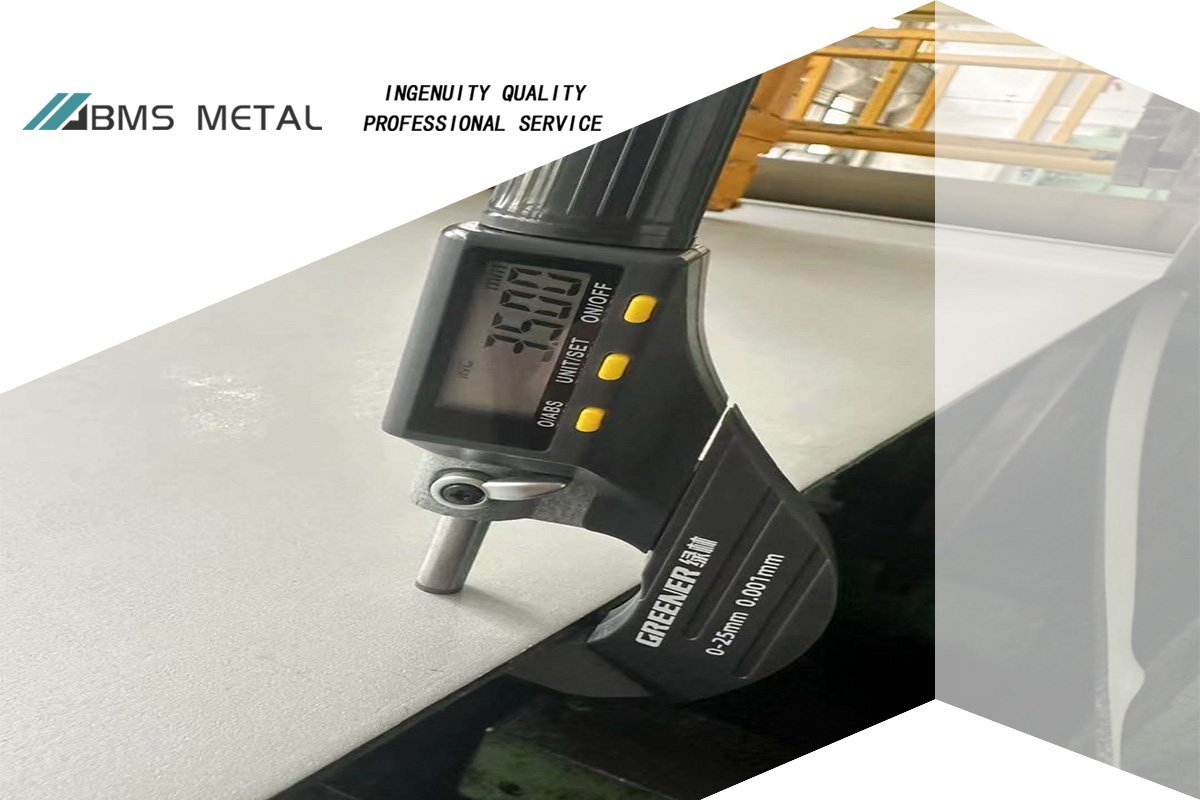
Sheet metal is a versatile material used in various industries, from construction to automotive manufacturing. One common thickness for sheet metal is 3.5 mm, which provides a balance between strength and flexibility. This article aims to answer key questions about 3.5 mm thick sheet metal, including its weight, flexibility, strength, and the sizes available.
Weight of 3.5 mm Steel Sheet
Calculation Method:
To determine the weight of a 3.5 mm thick steel sheet, you need to know its density and dimensions. The density of steel is typically around 7.85 g/cm³.
The weight of the sheet metal can be calculated using the formula:
Weight=Density×Volume
Where the volume is calculated as:
Volume=Length×Width×Thickness
Example Calculation:
Consider a steel sheet that is 1 square meter in area and 3.5 mm thick. Convert the thickness to centimeters (0.35 cm):
Volume=1 m2×0.35 cm=0.35 m3 (or 3500 cm3)
Using the density of 7.85 g/cm³:
Weight=7.85 g/cm3×3500 cm3=27,475 g (or 27.475 kg)
Practical Application:
The weight of 3.5 mm steel sheet can be significant, especially for large sheets or in applications where multiple sheets are used. Comparing it to thinner sheets, such as 1 mm or 2 mm, highlights its relatively heavier nature, which can impact handling, transportation, and overall structural support.
Flexibility of 3.5 mm Steel Sheet
Definition of Flexibility:
Flexibility in metal refers to its ability to bend or deform without breaking. Key aspects include ductility and malleability. Ductility measures how much a material can stretch before failing, while malleability indicates how easily it can be shaped.
Characteristics of 3.5 mm Steel Sheet:
Generally, thicker steel sheets are less flexible compared to thinner ones. A 3.5 mm thick steel sheet offers limited bending and stretching capabilities compared to, say, a 1 mm thick sheet. The increased thickness enhances strength but reduces the material’s ability to deform without cracking.
Practical Examples:
In practical scenarios, such as machinery parts or structural components, a 3.5 mm steel sheet might be used where rigidity is more important than flexibility. For instance, in construction, it’s used for support beams or structural reinforcements where its lower flexibility is offset by its strength.
Strength of 3.5 mm Steel Sheet
Understanding Strength:
The strength of a metal sheet typically refers to its tensile strength (resistance to being pulled apart) and yield strength (the point at which it begins to deform permanently).
Strength of 3.5 mm Steel Sheet:
The strength of a steel sheet depends on its alloy. For example:
- Carbon Steel: Common carbon steels have tensile strengths ranging from 400 MPa to 500 MPa.
- Stainless Steel: Stainless steels often have higher tensile strengths, sometimes exceeding 600 MPa.
Application Examples:
In construction and manufacturing, 3.5 mm steel sheets are used in applications requiring significant load-bearing capabilities. For example, they might be used in the fabrication of heavy-duty machinery or structural supports in buildings, where their high strength helps ensure stability and durability.
Common Sizes of Steel Sheet
Standard Sizes:
Steel sheets are commonly available in standard sizes. The most typical dimensions include:
- 4×8 feet (approximately 1220×2440 mm)
- 1000×2000 mm
These sizes are standard for ease of handling and processing.
Custom Sizes:
Custom sizes are also available, allowing for precise fits in specific applications. Services such as cutting and resizing can adjust the sheets to meet particular project requirements.
Impact of Size:
The size of the steel sheet affects various factors, including transport, storage, and processing. Larger sheets might be more cumbersome but offer fewer seams and joints in the final product, whereas smaller sheets can be more manageable and suited for smaller projects or specific components.
Conclusion
In summary, a 3.5 mm thick steel sheet offers a blend of weight, flexibility, and strength suited to a range of applications. Its substantial weight and lower flexibility compared to thinner sheets are balanced by its impressive strength. Understanding its common sizes and characteristics helps in selecting the right material for specific needs, ensuring that the sheet metal performs effectively in its intended application.